
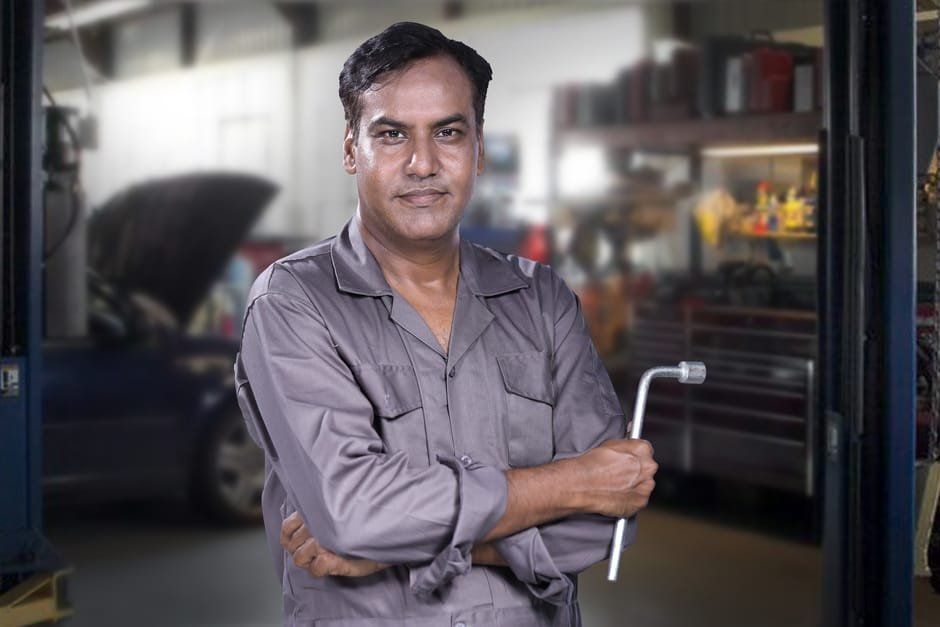
You’ve seen “ASE Certified” at repair shops and on technician credentials, but what does it actually mean — and does it matter when choosing where to take your vehicle? For most drivers in Coweta and the Tulsa area, the answer is yes, and this guide explains exactly what ASE certification represents, how technicians earn it, and what it tells you about the quality of service you can expect.
What ASE Stands For
ASE stands for Automotive Service Excellence. The National Institute for Automotive Service Excellence is an independent non-profit organization founded in 1972 that tests and certifies automotive professionals in the United States and Canada. It’s the automotive industry’s equivalent of a professional board certification — a credential that requires both knowledge and verified hands-on experience.
ASE doesn’t train mechanics. It tests them. The certification is earned through written examinations covering specific technical areas, combined with a requirement for documented work experience in the field. A technician who passes the test but lacks the required real-world experience cannot be certified.
The ASE Certification Areas
ASE certifications are organized by vehicle type and specialty area. The most common certifications for automobile technicians include:
- A1 – Engine Repair
- A2 – Automatic Transmission/Transaxle
- A3 – Manual Drive Train and Axles
- A4 – Suspension and Steering
- A5 – Brakes
- A6 – Electrical/Electronic Systems
- A7 – Heating and Air Conditioning
- A8 – Engine Performance
- A9 – Light Vehicle Diesel Engines
A technician who passes all A1 through A8 tests and has the required experience earns the title of ASE Master Automobile Technician — the highest credential in the automobile repair field. This designation indicates comprehensive competency across every major system of a passenger vehicle.

How Technicians Maintain Certification
ASE certifications are not permanent. They expire every five years and must be renewed through retesting. This recertification requirement matters because automotive technology changes rapidly — a technician who passed the electrical systems exam in 2010 would need to demonstrate current knowledge of modern vehicle electronics to recertify. The ongoing recertification keeps ASE credentials current and relevant.
What ASE Certification Doesn’t Guarantee
Certification is a baseline, not a complete picture. An ASE-certified technician has demonstrated knowledge of automotive systems and passed a standardized exam — that’s meaningful. But certification doesn’t guarantee experience with your specific vehicle make and model, doesn’t guarantee excellent customer service, and doesn’t guarantee the shop’s pricing practices are fair.
The combination of ASE certification plus a strong local reputation and verifiable customer reviews is more informative than certification alone. Use it as a minimum standard when evaluating shops, not the only criterion.
ASE-Certified Service at Norm’s Auto Clinic

At Norm’s Auto Clinic in Coweta, Oklahoma, our technicians hold ASE certifications across multiple specialty areas. When you bring your vehicle to us, you’re working with certified professionals who have demonstrated their competency through independent testing — not just years of experience alone. We believe in verifiable credentials because our customers deserve to know their vehicle is in qualified hands.
Serving Coweta, Broken Arrow, Wagoner, and the greater Tulsa area for over 30 years. Call us at (918) 279-8100 or visit us at 19 N. Broadway, Coweta, OK 74429.