

Why Preparation Pays Off
A well-prepared vehicle commands a higher price — whether you’re selling privately, trading in at a dealership, or selling to a car-buying service. Buyers and appraisers unconsciously (and consciously) use the condition of easy-to-see items to infer the condition of what they can’t see.
A filthy interior suggests the owner didn’t care about the car. A dirty engine bay suggests deferred maintenance. Conversely, a clean, well-documented vehicle signals to buyers that it was cared for — increasing their willingness to pay.
This guide walks through the preparation steps that offer the best return on investment before selling or trading in your vehicle in Oklahoma.
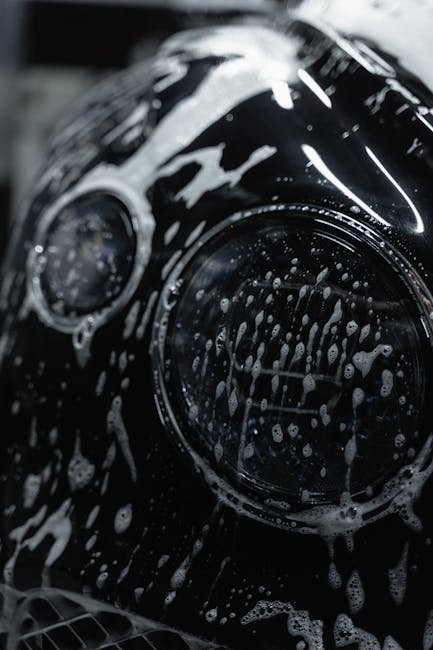
Step 1: Gather All Documentation
- Vehicle title: Ensure the title is in your name and free of liens. If you have an outstanding loan, contact your lender about the payoff process.
- Service records: Oil change receipts, repair invoices, tire purchase records. These prove maintenance history and are particularly valuable for older vehicles.
- Two sets of keys and all remotes: Missing keys cost buyers money and lower offers.
- Owner’s manual and warranty documentation
- Any CARFAX or vehicle history reports you have
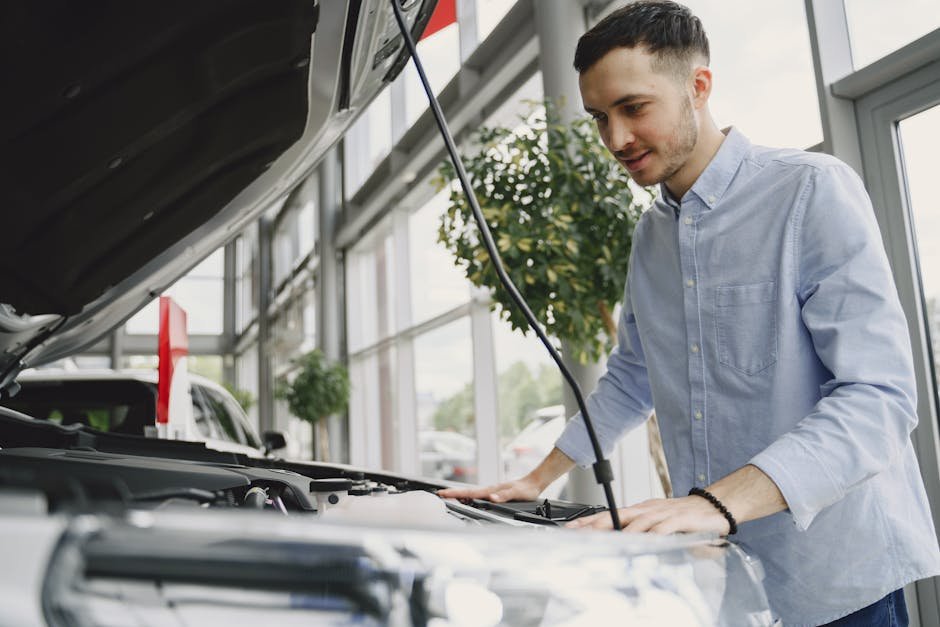
Step 2: Address the Check Engine Light
A check engine light is the single biggest value killer in a used vehicle transaction. Buyers see it as an unknown liability — they don’t know if it’s a sensor or a ,000 engine problem. Dealerships will either refuse the trade-in at face value or deduct –,500+ from the offer.
Get the code diagnosed before selling. If the repair is inexpensive relative to the value impact, fix it. If it’s a known minor issue (like a recurring evap code on an older vehicle), at minimum get documentation of the diagnosis so you can explain it to buyers.
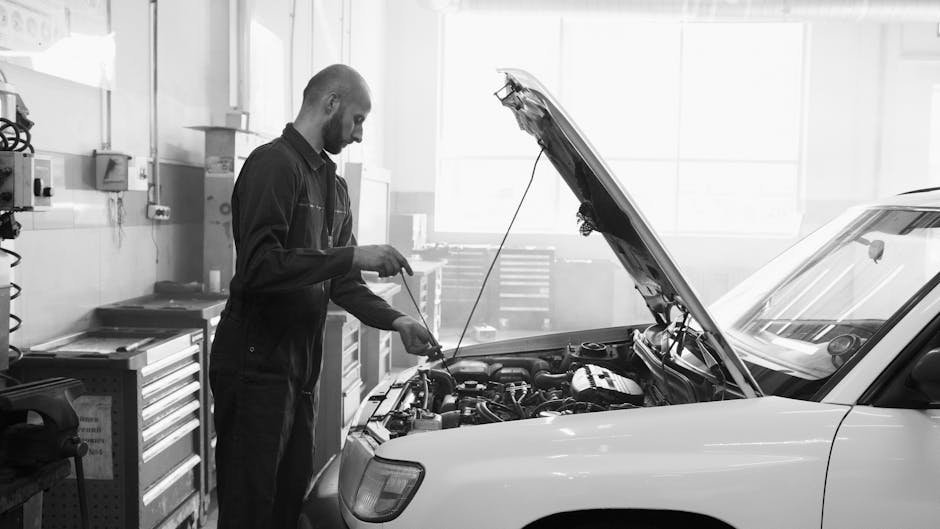
Step 3: Detail the Vehicle Thoroughly
- Full exterior wash and clay bar treatment: Removes embedded contaminants and restores paint clarity.
- Polish minor scratches: Light swirl marks and minor scratches respond to a machine polish. Deep scratches and paint chips may need touch-up paint.
- Wax or paint sealant: Adds gloss and shows the buyer the paint is protected.
- Clean wheels and tires: Dirty wheels suggest neglect. Tire shine makes old tires look presentable.
- Deep interior cleaning: Vacuum seats, carpets, and trunk thoroughly. Clean all hard surfaces. Shampoo carpets if stained.
- Clean all glass: Streak-free windows inside and out.
- Eliminate odors: Pet odor and smoke odor are major value reducers. Ozone treatment may be necessary for severe cases.

Step 4: Address Deferred Maintenance
Fresh oil and filter, new air filter, and topped-off fluids are inexpensive services that make a good impression during test drives and inspections. A vehicle that starts cleanly, idles smoothly, and has no visible fluid leaks will appraise higher than one that shows obvious maintenance neglect.
New wiper blades are a – investment that sends a clear signal of care. Fresh tires or tires with good remaining tread are worth far more to buyers than their cost — many buyers will negotiate hard based on tire wear.
Step 5: Get a Pre-Sale Inspection
A pre-sale inspection from an independent shop costs – and can pay for itself many times over. The inspection report serves two purposes: it tells you about problems before buyers discover them, and it serves as documentation for buyers that the vehicle has been professionally evaluated.
Knowing about problems in advance lets you decide whether to repair them or disclose them and price accordingly. Surprises discovered during a buyer’s inspection have much more negative leverage than known, disclosed issues.
Step 6: Repair vs. Disclose
Not every defect needs to be repaired before sale. The decision depends on cost vs. return and your sale strategy.
- Repair: Check engine light (if inexpensive), major fluid leaks, safety items like worn brake pads, cracked windshield
- Disclose and price accordingly: High-cost repairs, cosmetic damage, rust on body panels, known but stable mechanical issues
- Don’t attempt to hide: Accident history (shows on CARFAX), major repairs, flood or salvage history — Oklahoma law requires disclosure of known material defects in private sales
Trade-In vs. Private Sale: Which Nets More?
Private sales typically yield 15–30% more than dealer trade-in value, but require significantly more time — listing, showing, test drives, negotiations, and paperwork. Dealer trade-ins are convenient and immediate, with the trade-in value often applied toward the next purchase.
Car-buying services (CarMax, Carvana, local buyers) fall between the two — better than trade-in, less than private sale, faster than private.
For high-value vehicles where the 15–30% differential represents thousands of dollars, private sale is often worth the effort. For lower-value vehicles, convenience may outweigh the premium.
Norm’s Auto Clinic: Pre-Sale Inspections and Repairs
We perform pre-sale and pre-purchase inspections for Coweta, Broken Arrow, and Tulsa area drivers. Our inspection provides a written report covering all major systems — mechanical, electrical, safety, and under-body — so you can sell with confidence or buy with knowledge.
We also offer affordable maintenance services to prepare your vehicle for market: oil change, fluid top-offs, brake inspection, filter replacements, and minor repairs. Call (918) 279-8100 or visit 19 N. Broadway, Coweta, OK 74429 to schedule your pre-sale service.