
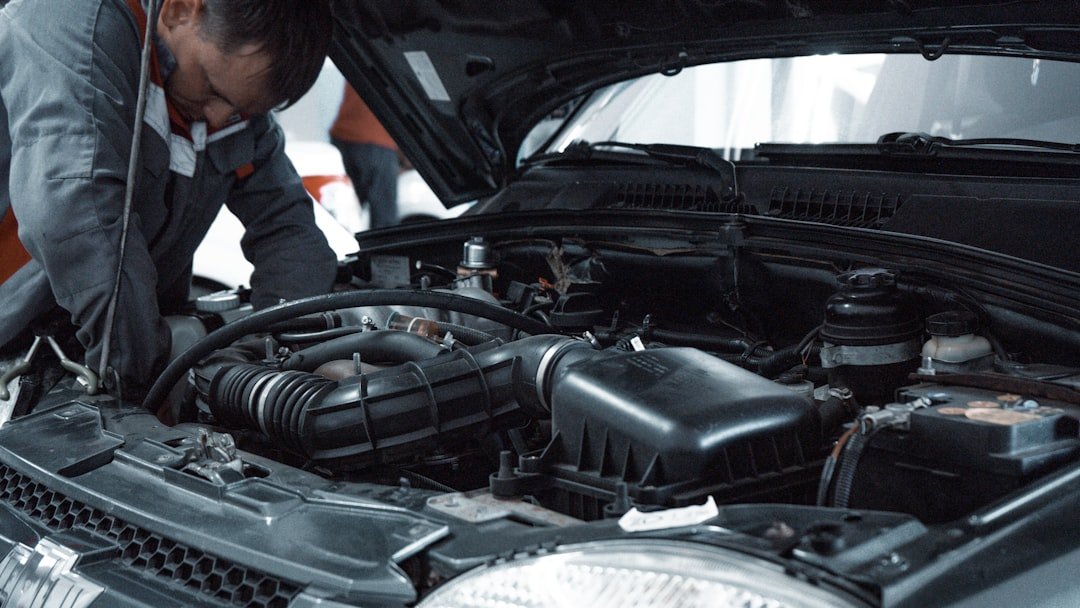
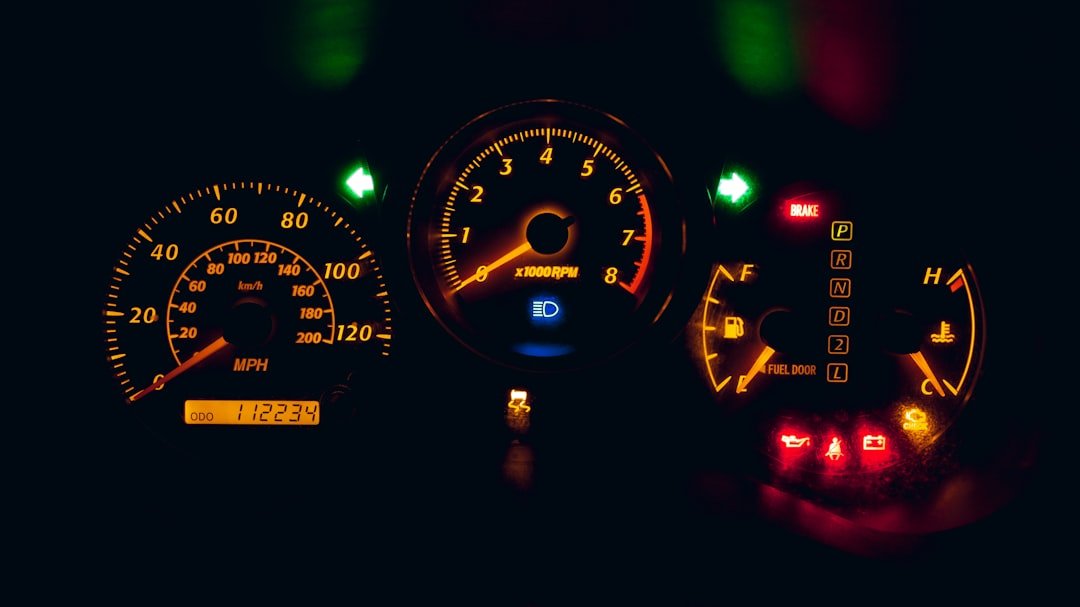
Few things trigger more anxiety in a driver than seeing that amber engine-shaped icon light up on the dashboard. The check engine light — formally called the Malfunction Indicator Lamp (MIL) — is one of the most misunderstood warning signals in any vehicle. Sometimes it means something serious. Sometimes it’s triggered by a $12 gas cap. Knowing how to interpret this warning, and what to do next, can save you from unnecessary panic — or from ignoring something that genuinely needs attention.
At Norm’s Auto Clinic in Coweta, Oklahoma, we read and diagnose check engine codes daily. In this guide, we’ll explain how the OBD-II system works, walk through the ten most common fault codes we see in our shop, discuss Oklahoma-specific factors that trigger these codes, and help you understand when to drive carefully to the shop versus when to pull over immediately.
What Is the Check Engine Light and How Does OBD-II Work?
The On-Board Diagnostics system, version II (OBD-II), has been required on all passenger vehicles sold in the United States since 1996. It’s a standardized system that monitors hundreds of engine and emissions-related parameters in real time, comparing sensor readings against calibrated acceptable ranges. When a reading falls outside those parameters for long enough to indicate a genuine fault (rather than a momentary glitch), the system stores a Diagnostic Trouble Code (DTC) and illuminates the check engine light.
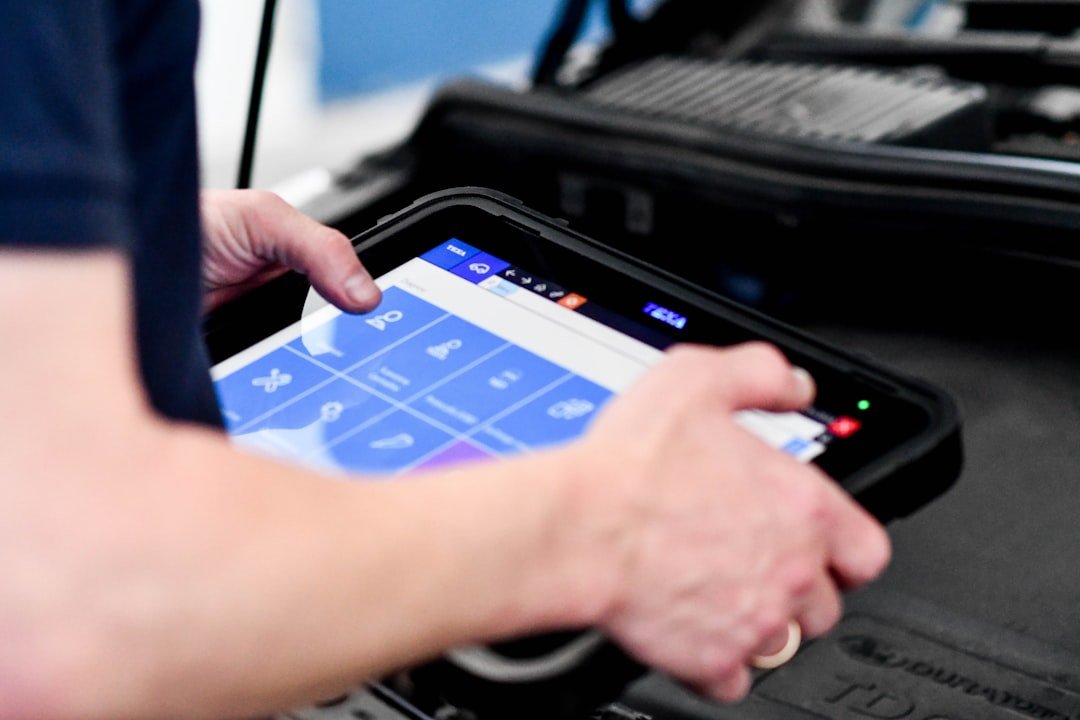
The OBD-II port — a standardized 16-pin connector found under the dashboard on the driver’s side in virtually all vehicles — allows mechanics to plug in a scan tool and retrieve the stored codes. Basic code readers available at auto parts stores can show you the code number. However, a code number alone doesn’t tell you what’s actually wrong — it tells you which system triggered the fault. Accurate diagnosis requires understanding the code in context of the vehicle’s operating conditions, sensor data, and often a test drive.
OBD-II monitors are run continuously or as part of a drive cycle. If you clear a code (either by fixing the issue or by disconnecting the battery) and the monitors haven’t completed their evaluation, your vehicle isn’t ready for an emissions test — even if the light is off. Oklahoma requires emissions testing in the Tulsa area, and this matters if your registration renewal is coming up.
Solid vs. Flashing Check Engine Light: Why It Matters
This distinction is critical and not everyone knows it:
Solid (steady) amber check engine light: The system has detected a fault that needs attention, but it’s not currently causing an active emergency. You can drive the vehicle carefully to a shop, but don’t delay. Common causes include an oxygen sensor fault, loose gas cap, or EVAP system issue.
Flashing check engine light: This indicates an active engine misfire severe enough to damage the catalytic converter. The catalytic converter can be destroyed by raw fuel washing through it during a misfire — a failure that costs $800–$2,500 to replace. A flashing check engine light means pull over safely and call for a tow. Driving with a flashing CEL is one of the most expensive mistakes a driver can make.
The 10 Most Common Check Engine Codes We See in Oklahoma
P0420 — Catalyst System Efficiency Below Threshold (Bank 1)
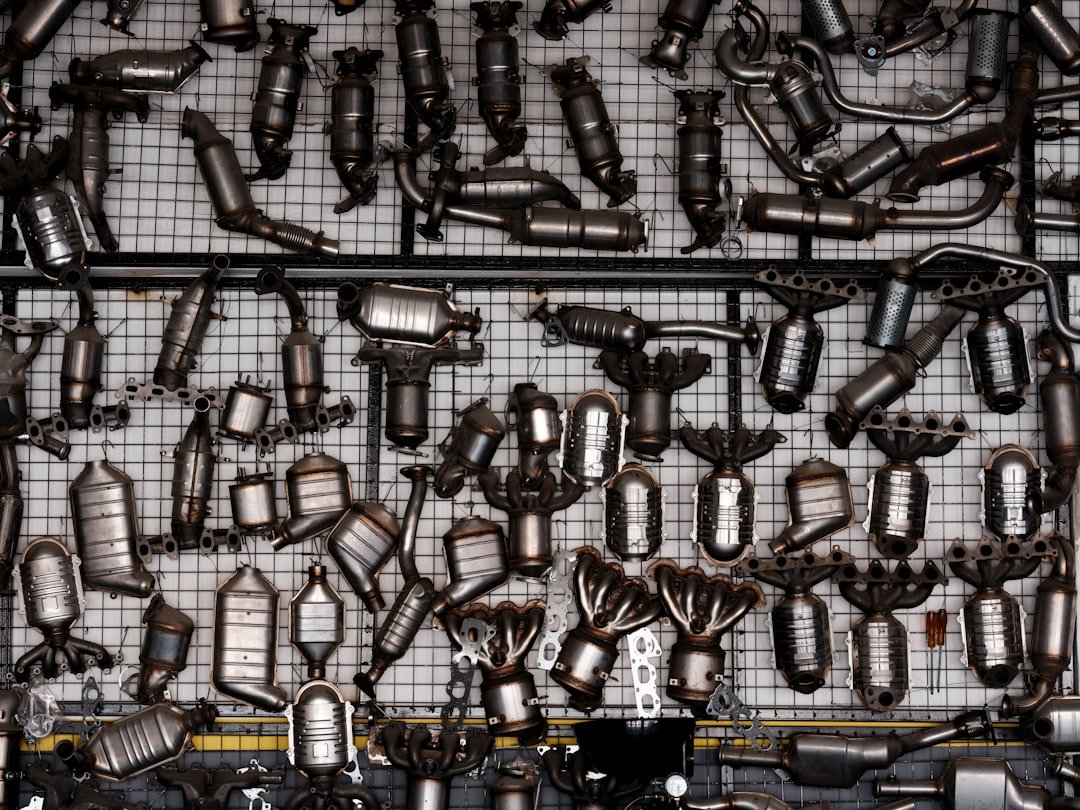
This is the single most common check engine code in our shop. It means the catalytic converter isn’t reducing emissions as efficiently as it should. Common causes: aged catalytic converter (they typically last 100,000–150,000 miles), oil burning contaminating the catalyst, or an upstream oxygen sensor reading inaccurately. Don’t assume you need a new catalytic converter immediately — a bad O2 sensor can trigger this code at a fraction of the replacement cost.
P0300–P0308 — Random or Specific Cylinder Misfires
P0300 is a random misfire across multiple cylinders; P0301–P0308 indicate a misfire on a specific cylinder. Causes include fouled spark plugs, failing ignition coils, low compression, or fuel injector issues. Misfires can be intermittent and difficult to reproduce — live data from a scan tool during driving is often needed to confirm. A severe active misfire triggers a flashing CEL (see above).
P0171 / P0174 — System Too Lean (Bank 1 / Bank 2)
A lean condition means the engine is getting too much air or too little fuel. Causes include a vacuum leak, dirty mass airflow (MAF) sensor, weak fuel pump, or clogged fuel injectors. In Oklahoma’s dry summer conditions, vacuum lines and intake boots can crack from heat cycling, making this a seasonally common code. A lean condition left untreated can cause engine damage over time.
P0128 — Coolant Temperature Below Thermostat Regulating Temperature
The thermostat is stuck open, preventing the engine from reaching normal operating temperature. Engines that run too cool produce more emissions, consume more fuel, and wear faster. Thermostat replacement is a relatively inexpensive repair ($80–$150 in most vehicles) that should be addressed promptly.
P0442 / P0455 — EVAP System Small/Large Leak
The Evaporative Emission Control System (EVAP) prevents fuel vapors from escaping into the atmosphere. Leaks can range from a loose gas cap (P0456/P0457 — check and retighten the cap first) to a cracked vapor hose or failed purge valve. This code doesn’t affect drivability but will fail an emissions test. Smoke testing the EVAP system is the fastest way to find the leak location.
P0401 — Insufficient EGR Flow
The Exhaust Gas Recirculation (EGR) system reduces NOx emissions by recirculating a portion of exhaust gases back into the intake. Carbon buildup in the EGR valve and passages is extremely common, especially on vehicles used primarily for short trips. Cleaning the EGR valve and passages often resolves this without replacement.
P0101 — Mass Air Flow Sensor Range/Performance
The MAF sensor measures the volume of air entering the engine so the ECU can calculate the correct fuel injection amount. A dirty or failing MAF sensor causes rough running, hesitation, and poor fuel economy. MAF sensors can often be cleaned with MAF cleaner spray; if that doesn’t resolve the code, replacement is needed.
P0113 — Intake Air Temperature Sensor High Input
The IAT sensor tells the ECU how dense the incoming air is, which affects fuel calculation. A failed sensor affects fuel trim and can cause rough running. Often combined with MAF sensor issues. This code appears more frequently in summer on Oklahoma vehicles due to extreme intake temperatures.
P0133 / P0141 — Oxygen Sensor Slow Response / Heater Circuit
Oxygen sensors monitor exhaust composition to fine-tune fuel delivery. They degrade over time (typically lasting 60,000–100,000 miles) and should be proactively replaced on high-mileage vehicles. A failed O2 sensor causes rich or lean running and poor fuel economy, and can also trigger false P0420 catalyst efficiency codes.
P0562 — System Voltage Low
Low system voltage is typically caused by a failing alternator or dying battery. This code often appears alongside other codes because low voltage causes multiple sensors to read erratically. Address the charging system first before chasing other codes — many secondary codes will clear once charging voltage is restored.
Oklahoma Emissions Testing: What You Need to Know
Oklahoma requires emissions testing for vehicles registered in the Tulsa metropolitan area (Tulsa, Creek, Rogers, Wagoner, and Osage counties). If your check engine light is on, your vehicle will fail the emissions test — regardless of what the code is.
The test checks: OBD-II readiness monitors (all relevant monitors must have completed their drive cycle), MIL status (check engine light must be off), and on older vehicles, a tailpipe emissions test. If you’ve recently had a battery disconnected or codes cleared, drive the vehicle for several complete warm-up cycles before attempting the test — monitors need to run and complete before the vehicle is “ready.”
Wagoner County, where Coweta is located, is in the non-attainment area requiring testing. Registration renewals will be denied if your vehicle fails. We can diagnose and repair the issue that’s triggering your CEL and help you pass your emissions test.
Common Misdiagnoses: What the Code Doesn’t Tell You
One of the most common and costly mistakes we see is replacing parts based solely on the code number. A P0420 code points to the catalytic converter — but replacing the catalytic converter without checking the upstream oxygen sensor first is throwing money away. A P0300 misfire code points to the ignition system — but low compression from a burnt valve will also trigger misfires.
Good diagnosis involves:
- Reading all stored codes, not just the primary one
- Reviewing freeze frame data (conditions when the code triggered)
- Checking live sensor data against known-good values
- Visual inspection of related components
- Considering vehicle history, mileage, and prior repairs
At Norm’s, we charge for diagnosis — and that’s intentional. Skipping proper diagnosis to “save money” on the diagnostic fee typically leads to unnecessary part replacements that don’t fix the actual problem. Our diagnostic process pays for itself.
Should You Buy a Code Reader?
Basic OBD-II code readers are available for $25–$60 and plug directly into your vehicle’s diagnostic port. More advanced Bluetooth-connected scanners (like the BlueDriver or Innova 3100) pair with smartphone apps and provide more detail, including freeze frame data and some live sensor readings.
For the average driver, a basic code reader is a useful tool for understanding what triggered a check engine light before calling a shop. It can also clear codes after a verified repair (like retightening a gas cap). However, consumer code readers have significant limitations compared to professional scan tools — they can’t perform bi-directional tests, access manufacturer-specific codes, or run advanced sensor calibrations.
Many auto parts stores (AutoZone, O’Reilly, Advance Auto Parts) will read your codes for free. This is a reasonable first step to understand the general category of the problem before calling us.
Get Your Check Engine Light Diagnosed at Norm’s Auto Clinic
Whether your check engine light just came on or has been on for months, we can help. Our diagnostic process is thorough, our explanations are clear, and we never recommend repairs you don’t need. We serve Coweta, Broken Arrow, Wagoner, and the greater Tulsa area.
Call us at (918) 279-8100 or stop by at 19 N. Broadway, Coweta, OK 74429. We’ll get to the bottom of it.