

Stay Calm — Your Actions in the First Minutes Matter
A car accident, even a minor one, is a stressful, disorienting event. Your actions in the immediate aftermath affect your safety, your legal standing, and your insurance claim. Taking the right steps — in the right order — protects you and ensures the process goes smoothly.
Oklahoma is an at-fault insurance state — if you need repair, see Norm’s Auto Clinic, meaning the driver who caused the accident is responsible for damages. Proper documentation and reporting are essential to establishing fault and protecting your interests.
Here’s a step-by-step guide for what to do after any collision in Oklahoma.
Step 1: Check for Injuries — Safety First
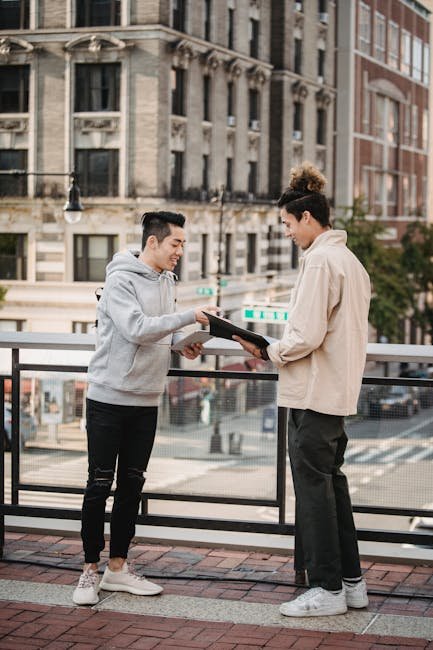
Before anything else: are you, your passengers, or anyone else injured? Check yourself first, then passengers. Don’t attempt to move anyone who may have a head, neck, or spinal injury unless there’s an immediate fire or flood hazard.
Call 911 immediately if anyone is injured, if the vehicles are blocking traffic creating a danger, or if there’s a fuel leak or fire risk. Even if no one appears injured, anyone involved in a significant collision should be evaluated medically — some injuries (concussions, internal trauma) have delayed symptoms.
Step 2: Move to Safety If Possible
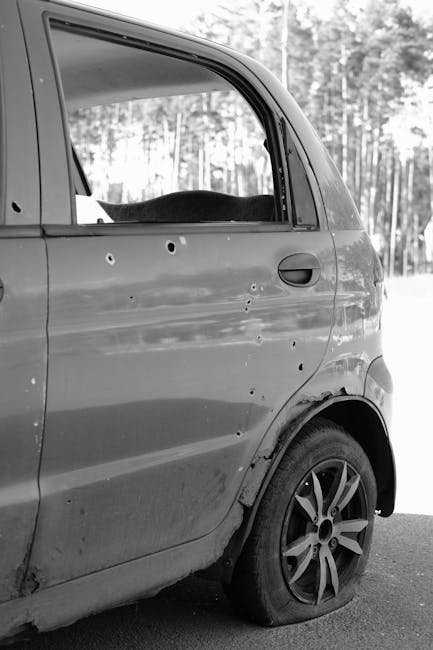
If the vehicles are driveable and no one is seriously injured, move them to the shoulder or nearest parking lot. In Oklahoma, you’re legally required to move vehicles off the roadway when possible to avoid creating a secondary accident hazard.
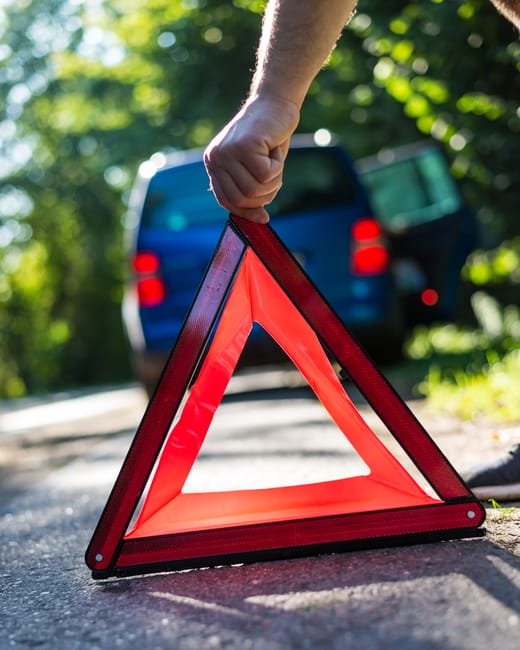
Turn on hazard lights. If you have road flares or reflective triangles, deploy them 100–300 feet behind the vehicles to warn approaching traffic, particularly on rural highways.
Step 3: Call the Police
In Oklahoma, you’re legally required to report any accident resulting in injury, death, or property damage over . In practice, you should call police for virtually any collision — even minor fender-benders.
An official police report establishes the facts of the accident and is essential documentation for insurance claims. Without a police report, your word against the other driver’s is the only evidence if a dispute arises. Request the report number before leaving the scene.
Step 4: Document Everything Before Moving
Before vehicles are moved or cleaned up, document the scene thoroughly with your smartphone.
- Photos of both vehicles showing damage from multiple angles
- Photos of the license plates of all vehicles involved
- Photos of the accident scene including road conditions, skid marks, traffic signs, and signals
- Photos of any visible injuries
- Photos of the street intersection or highway marker to establish exact location
- Video of the overall scene if possible
Step 5: Exchange Information
Obtain the following from every driver involved.
- Full legal name and contact information (phone, address)
- Driver’s license number and state
- Vehicle registration (owner name may differ from driver)
- Insurance company name and policy number
- Vehicle VIN (visible on dashboard through windshield)
Step 6: Gather Witness Information
Independent witnesses who saw the accident are valuable. Get their names and phone numbers before they leave the scene. Witnesses have no stake in the outcome and are generally more credible to insurance adjusters than either driver.
If there are nearby businesses with exterior security cameras, note their locations — your attorney or insurance company may be able to request that footage.
Step 7: Notify Your Insurance Company
Report the accident to your insurance company as soon as possible, regardless of who was at fault. Most policies require prompt reporting as a condition of coverage. Failure to report promptly can complicate or void your claim.
When reporting, stick to facts: time, location, vehicles involved, police report number. Don’t speculate about fault, don’t minimize injuries, and don’t apologize — that can be interpreted as an admission of liability.
Step 8: Get Your Vehicle Properly Inspected
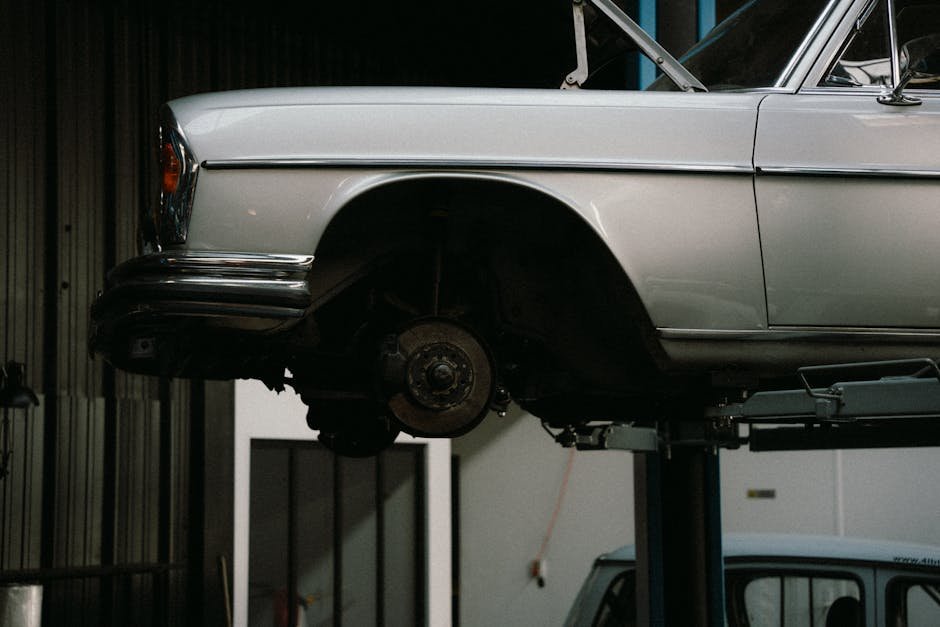
Even minor-looking collision damage can affect critical safety systems — steering geometry, frame alignment, airbag sensor calibration, and structural integrity. A professional post-collision inspection is essential before driving the vehicle regularly.
At Norm’s Auto Clinic in Coweta, we perform post-accident mechanical inspections to assess drivetrain, suspension, and safety system integrity beyond cosmetic body damage. If your vehicle has been in an accident and you’re unsure about its safety, call us at (918) 279-8100.
We serve accident survivors throughout Coweta, Broken Arrow, Wagoner, and the Tulsa area. Getting your vehicle mechanically checked after any significant collision is as important as the body repair — don’t skip it.