

Where Car Myths Come From
Auto maintenance myths persist for decades because they contain a kernel of historical truth. Many were valid advice for vehicles built in the 1960s or 1970s but became obsolete as technology advanced. Others are marketing myths perpetuated by product manufacturers. A few are simply misunderstandings that spread through word of mouth.
Following outdated advice costs Oklahoma drivers real money — either in unnecessary services that don’t help, or in neglected maintenance that should have been done. Here are the ten most persistent myths our technicians at Norm’s Auto Clinic hear regularly.
 oil change options” class=”wp-image-2792″ srcset=”https://www.normsautoclinic.com/wp-content/uploads/2026/05/car-maintenance-myths-debunked-img1.jpg 940w, https://www.normsautoclinic.com/wp-content/uploads/2026/05/car-maintenance-myths-debunked-img1-300×200.jpg 300w, https://www.normsautoclinic.com/wp-content/uploads/2026/05/car-maintenance-myths-debunked-img1-768×512.jpg 768w” sizes=”auto, (max-width: 940px) 100vw, 940px” />
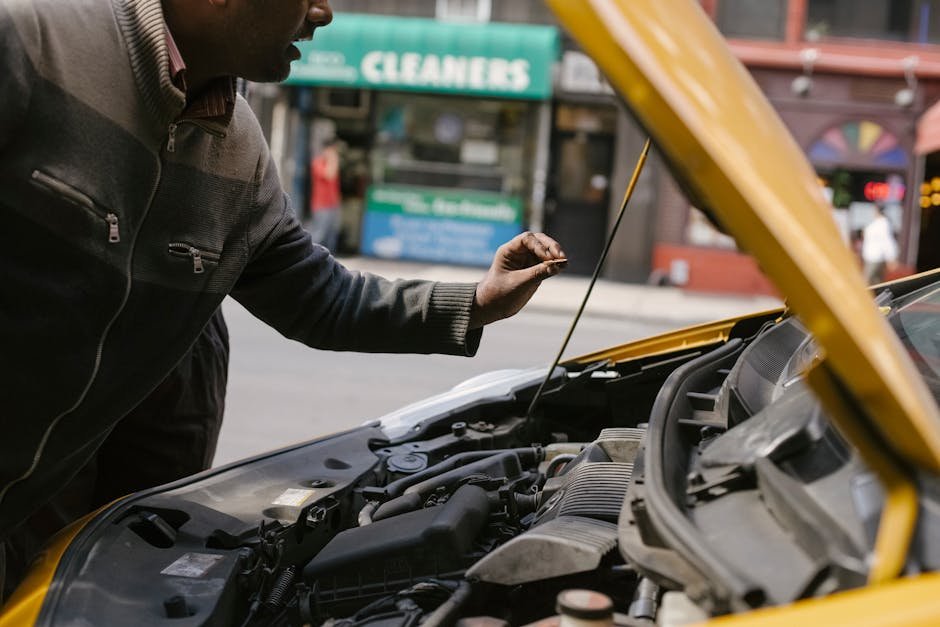
Myth 1: You Must Change Your Oil Every 3,000 Miles
This was valid advice for older engines running conventional oil, but modern engines and synthetic oils have dramatically extended oil life. Most manufacturers now specify 7,500–10,000 miles for synthetic oil, with some going to 15,000 miles under normal conditions.
Check your owner’s manual for your specific vehicle. If it says 10,000-mile intervals with synthetic oil, changing it at 3,000 miles isn’t protecting your engine — it’s just wasting – and four gallons of used oil every few months.

Myth 2: You Should Warm Up Your Engine Before Driving in Winter
Idling to warm up an engine made sense with carbureted engines that couldn’t regulate fuel mixture at cold temperatures. Modern fuel-injected engines warm up faster under light load than they do sitting at idle. Extended idling in cold weather actually washes oil off cylinder walls with unburned fuel, increasing wear.
The correct approach: start the engine, let it idle 30–60 seconds (long enough for oil pressure to build), then drive gently for the first few minutes while keeping RPMs low. The engine reaches operating temperature faster this way.
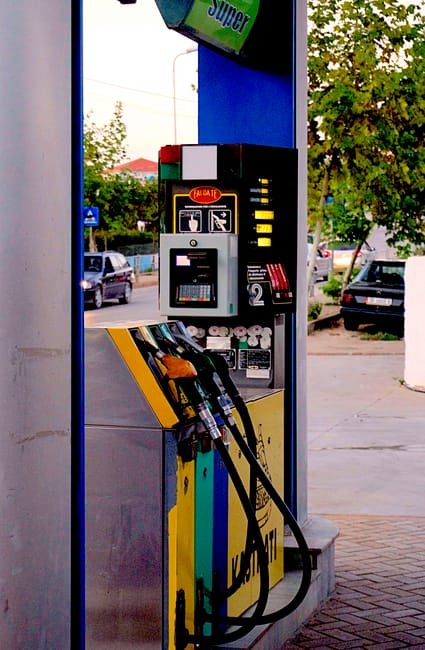
Myth 3: Premium Gas Makes Any Car Run Better
Premium fuel only benefits engines designed for it. High-compression or turbocharged engines require premium (91+ octane) to prevent engine knock that can cause serious damage. Engines not designed for premium gain absolutely nothing from the higher octane rating — no more power, no better fuel economy.
If your owner’s manual says ‘regular unleaded recommended,’ that’s what you should use. If it says ‘premium required,’ use premium. If it says ‘premium recommended,’ regular works but you may see a slight power reduction.
 car battery being jump-started with jumper cables” class=”wp-image-2795″ srcset=”https://www.normsautoclinic.com/wp-content/uploads/2026/05/car-maintenance-myths-debunked-img4.jpg 940w, https://www.normsautoclinic.com/wp-content/uploads/2026/05/car-maintenance-myths-debunked-img4-300×200.jpg 300w, https://www.normsautoclinic.com/wp-content/uploads/2026/05/car-maintenance-myths-debunked-img4-768×512.jpg 768w” sizes=”auto, (max-width: 940px) 100vw, 940px” />
Myth 4: Coolant Doesn’t Need to Be Flushed
Engine coolant degrades over time. The corrosion inhibitors that prevent rust and scale buildup inside your cooling system deplete, and once they’re gone, coolant becomes actively corrosive. Corroded cooling systems lead to leaks, thermostat failure, and radiator damage.
Most modern coolants (OAT formula, orange color) last 5 years or 150,000 miles. Traditional green coolant needs replacement every 2 years. Check your coolant’s condition with an inexpensive test strip — it tells you the freeze point and corrosion inhibitor strength.
Myth 5: You Don’t Need to Replace Brake Fluid
Brake fluid is hygroscopic — it absorbs moisture from the atmosphere through tiny amounts of vapor diffusion in the brake lines. As moisture content increases, the fluid’s boiling point drops. In hard braking situations, low-boiling-point brake fluid can vaporize, causing brake fade and dramatically increased stopping distances.
Most manufacturers recommend a brake fluid flush every 2–3 years regardless of mileage. This is a – service that maintains full braking effectiveness — important on Oklahoma’s highways and hills.
Myth 6: If It Ain’t Broke, Don’t Fix It
This philosophy costs Oklahoma drivers thousands in preventable repairs every year. Timing belts don’t announce they’re about to fail — they snap without warning, destroying engines on interference-design motors. Brake fluid that looks fine visually can have a boiling point of 250°F instead of 400°F.
Scheduled preventive maintenance is insurance against breakdowns and catastrophic failures. The cost of replacing a timing belt at 90,000 miles (–) is a fraction of the ,000–,000 engine rebuild after it snaps.
Myth 7: Aftermarket Parts Are Always Inferior
The quality spectrum in aftermarket parts is enormous. Some aftermarket parts are equal to or better than OEM (Original Equipment Manufacturer) parts. Others are dramatically inferior. The difference lies in the manufacturer.
Trusted aftermarket brands like Bosch, Denso, ACDelco, Monroe, and Moog make parts that meet or exceed OEM specifications. No-brand economy parts from overseas retailers may fail within months. A good mechanic helps you navigate this spectrum — recommending quality aftermarket where appropriate and OEM where the difference matters.
Myth 8: The Dealership Must Service Your Car to Keep the Warranty
Under the Magnuson-Moss Warranty Act, manufacturers cannot void your warranty for having service performed at an independent shop — as long as the service meets manufacturer specifications. You are not required to return to the dealership for oil changes, brake jobs, or other routine maintenance.
Keep your receipts and document that the correct fluids and parts specifications were used. Independent shops like Norm’s Auto Clinic use the same manufacturer-specification fluids and parts as dealerships, at significantly lower labor rates.
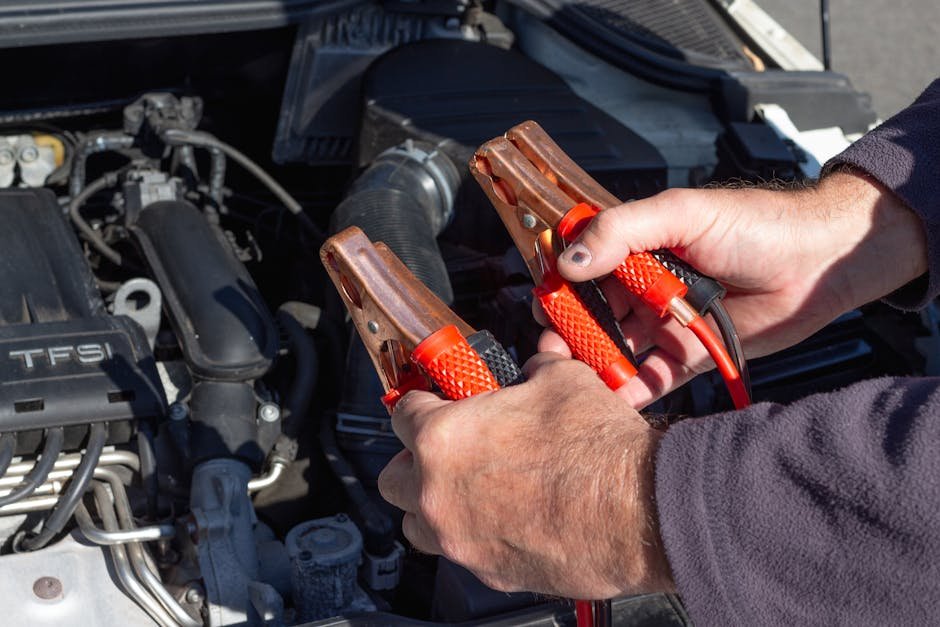
Myth 9: Jump-Starting a Car Can Damage Modern Electronics
Jump-starting a car done correctly poses minimal risk to modern electronics. The key is correct cable connection order (positive to positive, negative to negative, last cable to bare metal ground away from the dead battery) and letting the donor vehicle run for a few minutes before attempting to start.
What does damage electronics is incorrect cable connection (reverse polarity) or using a jump pack with an output spike. Modern jump starters with surge protection are safe for vehicles with sensitive electronics.
Myth 10: Bigger Tires Always Give You More Traction
Wider tires provide more traction on dry pavement but can actually reduce traction in snow and mud, where a narrower tire penetrates through to a firmer surface rather than riding on top. For Oklahoma’s mixed conditions — including ice, mud, and occasional snow — a properly rated all-season tire in the manufacturer’s recommended size often outperforms an oversized tire.
Upsized tires can also affect speedometer accuracy, transmission shift points, ABS function, and fuel economy. Always consult your shop or tire professional before deviating significantly from manufacturer-specified tire dimensions.
Straight Talk at Norm’s Auto Clinic
Our job at Norm’s Auto Clinic is to help you spend money on maintenance that actually matters and avoid spending it on services that don’t. We give honest recommendations based on your vehicle’s specific condition, manufacturer specifications, and real-world experience — not service quotas or upsell commissions.
Located at 19 N. Broadway in Coweta, Oklahoma. Serving the Coweta, Broken Arrow, Wagoner, and Tulsa metro area. Call (918) 279-8100 to schedule your next service appointment.