
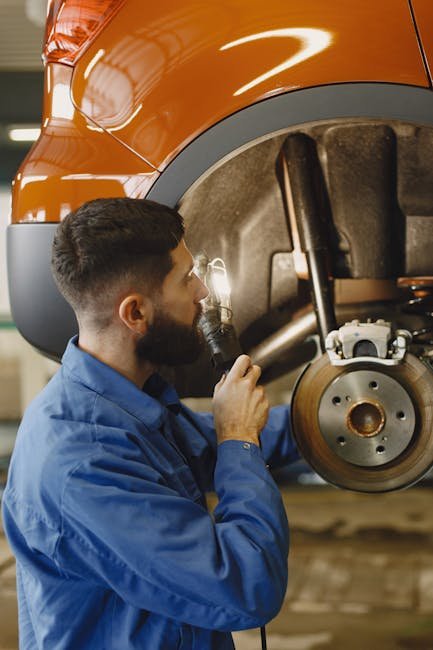
Ball joints are one of the most safety-critical components in your vehicle’s suspension — and one of the most underappreciated. A failed ball joint doesn’t just make noise or affect ride quality. A completely failed ball joint can cause a wheel to separate from the vehicle while driving, resulting in sudden and complete loss of steering and control. At Norm’s Auto Clinic in Coweta, Oklahoma, we take ball joint complaints seriously. Here’s what you need to know about ball joint failure symptoms and how dangerous ignoring them can be.
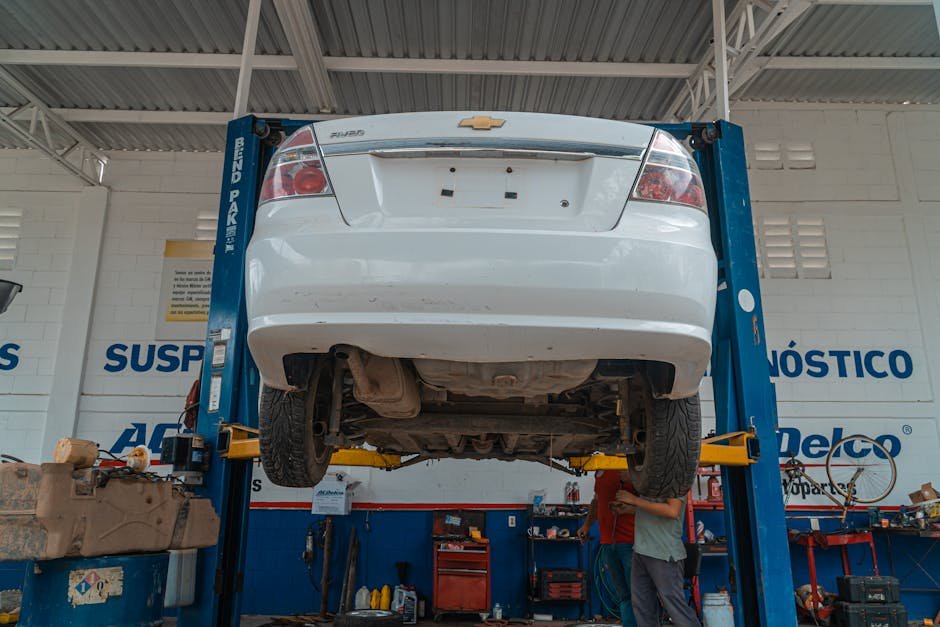
What Ball Joints Do
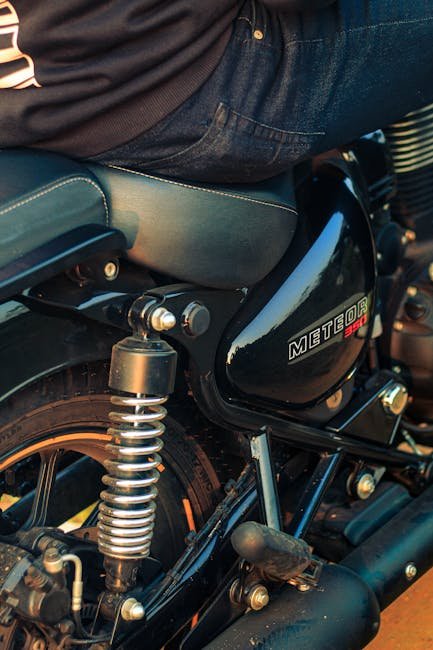
Ball joints are the pivot points connecting the control arms (which are fixed to the vehicle’s frame or subframe) to the steering knuckles (which hold the wheel hubs). They allow the suspension to move up and down as the wheels follow road contours, while also allowing the wheels to turn left and right for steering. They’re essentially automotive-scale ball-and-socket joints — a spherical bearing inside a housing, covered by a rubber boot that keeps grease in and contamination out.
Most vehicles have two ball joints per front wheel — an upper and a lower — though many modern independent suspension designs use only a lower ball joint. The lower ball joint is typically the load-bearing one and wears faster than the upper.
Symptoms of Worn or Failing Ball Joints
Clunking Noise Over Bumps
The most common ball joint symptom. When the ball joint develops wear and play, the ball can shift within its socket when the suspension compresses and rebounds over a bump. This movement produces a distinct clunk or knock that often correlates directly with bumps, dips, and speed bumps. The clunk typically comes from the front of the vehicle, on one or both sides.
Creaking or Squeaking
As the rubber boot protecting the ball joint wears, tears, or cracks, grease escapes and water and grit contaminate the joint. The ball moves in a dry, contaminated socket, producing creaking or squeaking during slow maneuvers, when turning the wheel at rest, or when pulling out of a driveway at low speed. This sound often intensifies on cold mornings before the grease warms up.
Vehicle Pulling to One Side
Severe ball joint wear changes the suspension geometry — particularly the camber and caster alignment angles. This can cause the vehicle to pull to one side during straight-line driving, similar to a misalignment. If an alignment shop finds that alignment settings change rapidly after adjustment, a worn ball joint is a likely cause — the loose joint allows geometry to shift back out of spec quickly.
Uneven Tire Wear
Because worn ball joints allow alignment angles to shift, camber-related uneven wear (one edge of the tire wearing faster than the other) can indicate ball joint problems. If you’re replacing tires prematurely due to edge wear, have the ball joints inspected before investing in new tires — new tires on a vehicle with bad ball joints will wear the same way.
Steering Feels Loose or Vague
Significant ball joint play introduces looseness into the steering system — the wheel may feel imprecise, with more play than expected before the vehicle responds. At highway speeds, this can feel like the vehicle wanders or requires constant steering correction. This symptom can also indicate worn tie rod ends (another critical steering component), so a full front-end inspection is needed to identify the source.
How Dangerous Is a Failing Ball Joint?
Very. A ball joint that has developed significant wear will eventually fail completely. When a load-bearing ball joint separates, the wheel collapses — typically tucking inward under the fender. The vehicle suddenly has no steering on that corner and the brake on that wheel cannot function. At any speed above a slow crawl, this can cause a serious accident. This is not a “we’ll get to it eventually” repair.
The progression is typically: boot failure → contamination and grease loss → accelerated wear → increased play → clunking and instability → separation. At Norm’s Auto Clinic, we check ball joint play during every suspension inspection using a pry bar technique to measure actual movement. Most manufacturers specify a maximum play of 0.050″ to 0.125″ before replacement is required — we use published specs for each vehicle.
Ball Joint Replacement Cost in Oklahoma
Ball joint replacement cost in the Coweta and Tulsa area varies significantly by vehicle design:
- Serviceable ball joints (grease fittings, bolt-in replacement): $100–$250 per corner installed — common on trucks and some domestic vehicles
- Press-in ball joints (require a hydraulic press): $150–$320 per corner installed — common on many passenger cars
- Ball joint integrated into the control arm (replace the arm): $250–$500 per corner installed — increasingly common on modern vehicles where the ball joint isn’t separately replaceable
- Both fronts (recommended — replace in pairs): $300–$900 installed depending on design
A wheel alignment is required after any ball joint replacement — add $75–$130 for the alignment. Do not skip the alignment; incorrect alignment after ball joint work will cause rapid, uneven tire wear.
Ball Joint Inspection at Norm’s Auto Clinic
If you’re hearing clunking from the front suspension or experiencing any of the symptoms above, bring your vehicle in for a ball joint inspection. We check ball joint play, boot condition, and compare measurements to manufacturer specifications before recommending any repair. Find us at 19 N. Broadway, Coweta, OK 74429 or call (918) 279-8100.