

Your car won’t start, or it started this morning and died this afternoon. Is it the battery or the alternator? These two components work together so closely that their failure symptoms overlap significantly — and misdiagnosing one for the other means you’ll replace the wrong part and still be stranded. At Norm’s Auto Clinic in Coweta, Oklahoma, we test both whenever a charging system complaint comes in. Here’s how to understand the difference yourself.

How the System Works

Understanding the difference starts with understanding how the two components interact. The battery provides the initial burst of power to start the engine — cranking the starter motor requires 200–400 amps for a few seconds. Once the engine is running, the alternator takes over: it generates AC electricity, converts it to DC, and supplies power to all the vehicle’s electrical systems while simultaneously recharging the battery. In a healthy system, the battery is really only “needed” to start the car — the alternator handles everything while driving.
This means: a bad battery makes it hard or impossible to start. A bad alternator lets you start but drains the battery while driving, eventually causing the car to die. Understanding which scenario fits your situation is the first diagnostic step.
Signs It’s the Battery
- Slow crank on startup: The engine turns over sluggishly — the starter sounds labored rather than brisk. This indicates the battery doesn’t have enough cranking amps to spin the starter properly.
- No crank at all: You turn the key and hear clicks (or nothing). The battery may be too discharged to engage the starter. Jump-starting works — the car starts and runs normally — pointing to a discharged or dead battery rather than an alternator problem.
- Car starts fine if recently jump-started or charged: If your car starts right up after a jump or after sitting on a charger, but then fails to start again after sitting, the battery can’t hold a charge. This is a battery failure.
- Battery warning light with normal electrical function: In some cases, a severely aged battery triggers a warning without alternator involvement — though the warning light more commonly indicates a charging system issue.
- Old battery (3+ years in Oklahoma): In our climate, a battery over 3–4 years old is a suspect before anything else when starting problems develop.
Signs It’s the Alternator
- Car starts, then dies while driving: The engine starts normally (battery still had enough charge), but the alternator isn’t recharging it. Within 20–30 minutes of driving, the battery runs out and the car dies. This is a classic alternator failure pattern.
- Battery warning light while driving: The battery warning light (often a battery icon or “ALT” or “GEN”) illuminates while the engine is running. This indicates the alternator output has dropped below the voltage needed to keep the battery charged.
- Dimming or flickering lights: Headlights and interior lights that dim, flicker, or pulsate while driving indicate unstable charging voltage — the alternator is struggling to maintain output.
- Electrical systems behaving erratically: Radio cutting out, power windows slowing, gauges fluctuating — all signs of unstable electrical supply from a failing alternator.
- Growling or whining noise from engine: A failing alternator often produces a grinding or whining noise that corresponds to engine RPM — caused by worn alternator bearings or brushes.
- Jump-starting works but the car dies again soon after: Jump-starting restores battery voltage, but without a working alternator to maintain it, the battery drains and the car dies again within minutes to hours.
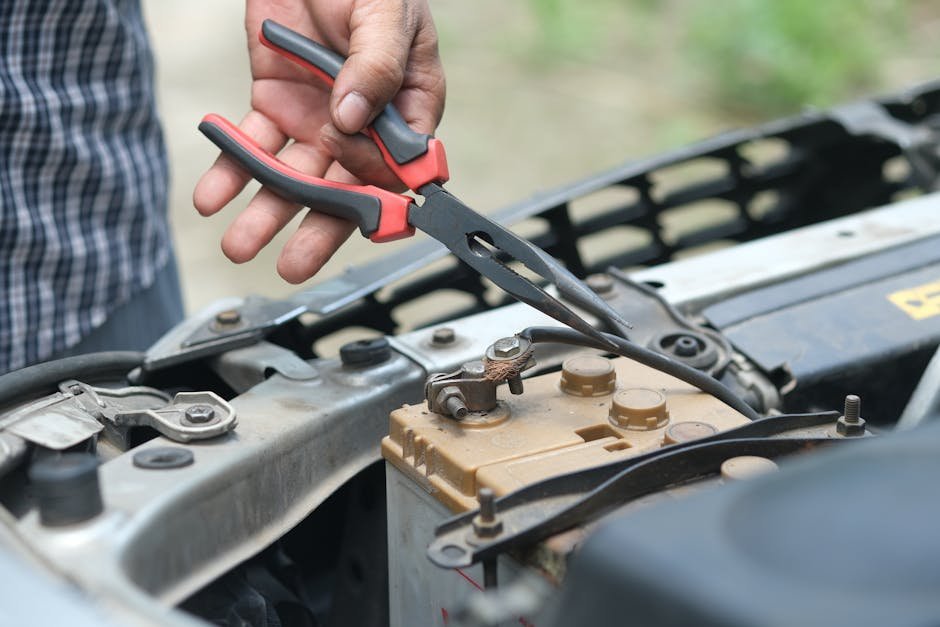
The Definitive Test: Voltage Measurement
The most reliable way to distinguish battery from alternator is a voltmeter test — and you can do a basic version yourself with a $15 digital multimeter from any auto parts store:
Test 1: Battery Resting Voltage
With the engine off (and the car not recently driven), measure voltage across the battery terminals. A fully charged battery should read 12.6V or higher. Below 12.0V indicates a discharged battery. Below 11.8V indicates a severely discharged or dead battery. This test tells you the battery’s current state of charge, but not whether it can hold that charge or whether the alternator is charging it.
Test 2: Charging Voltage
Start the engine and measure voltage across the battery terminals with the engine running. A healthy alternator should produce 13.5–14.7V. Below 13.5V means the alternator isn’t keeping up with demand. Above 14.8V indicates overcharging, which damages the battery. This test confirms whether the alternator is generating adequate voltage.
Test 3: Load Test
This requires a battery load tester — standard equipment at any auto shop. It applies a load equal to half the battery’s cold cranking amp rating for 15 seconds and measures how much voltage drops. A healthy battery maintains above 9.6V under load. This test reveals whether a battery that reads 12.6V at rest can actually deliver cranking power — some batteries read normal voltage but collapse under load. This is the most important battery test.
When Both Are Failing
It’s common for both to be failing simultaneously — a bad alternator that chronically undercharges the battery will eventually kill the battery through repeated partial discharge and sulfation. In this case, replacing only the battery means the new battery will be killed by the same faulty alternator. This is why we always test the full charging system (battery, alternator, and wiring) whenever either component is suspected — replacing one without the other is a common and expensive mistake.
Professional Diagnosis at Norm’s Auto Clinic
We offer free battery and charging system testing at Norm’s Auto Clinic in Coweta. Our electronic testers go beyond basic voltmeter readings — they measure battery capacity in cold cranking amps, alternator output under load, and voltage regulator stability. You’ll get an objective pass/fail recommendation with data you can see, not just a sales pitch for a new part.
If you’re having starting trouble, a car that dies while driving, or unusual electrical behavior, drive by 19 N. Broadway, Coweta, OK 74429 or call (918) 279-8100. We serve Coweta, Broken Arrow, Wagoner, Muskogee, and the Tulsa metro area.
Quick Reference: Battery vs Alternator
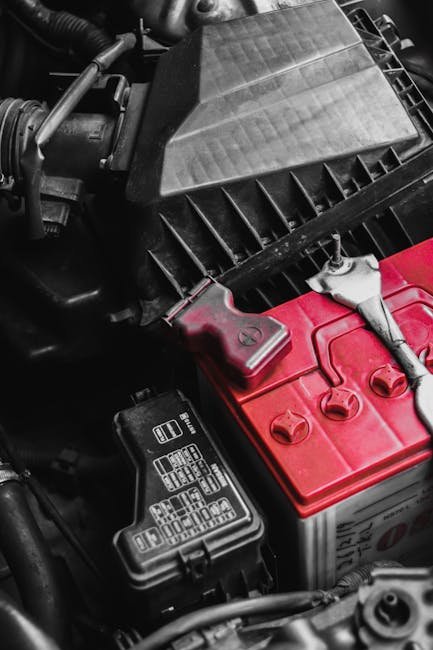
- Won’t start, clicks or slow crank: Battery
- Jump-starts fine, won’t start again after sitting: Battery
- Starts, then dies while driving: Alternator
- Battery warning light while driving: Alternator
- Dimming lights while driving: Alternator
- Jump-starts, dies again within 30 minutes: Alternator
- Growling/whining noise from engine: Alternator bearings
- Multiple jump-starts needed over several weeks: Could be either — test both