
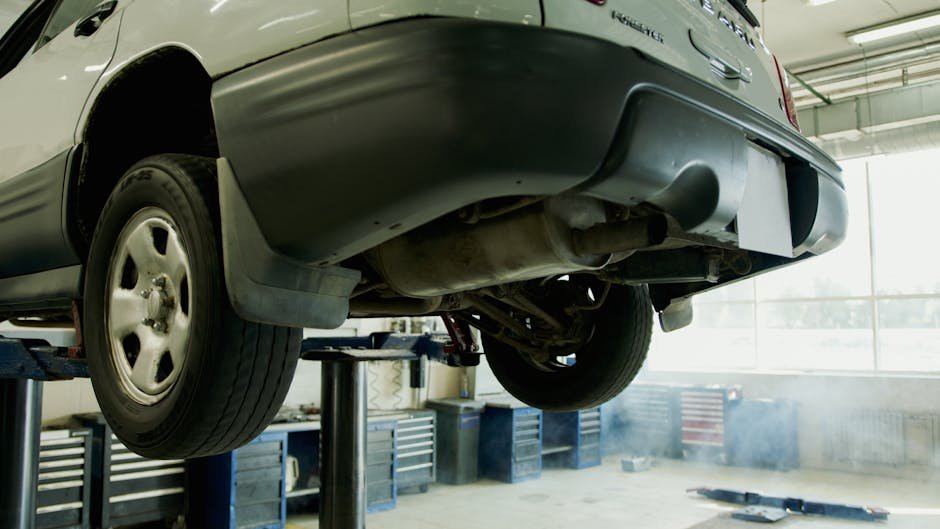
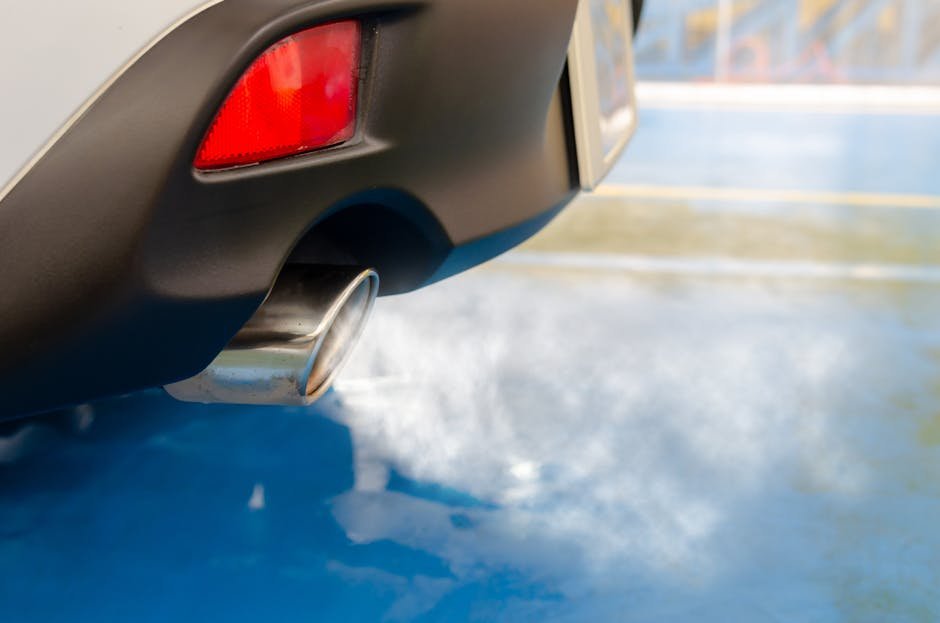
Black smoke from your exhaust means your engine is running rich — burning more fuel than it should relative to the amount of air. Unlike white smoke (coolant) or blue smoke (oil), black smoke is a fuel-related problem. While it’s rarely an immediate emergency, black smoke increases fuel consumption, damages the catalytic converter over time, and always indicates something that needs to be fixed. At Norm’s Auto Clinic in Coweta, Oklahoma, we diagnose rich-running conditions accurately before recommending any repair.
What Rich-Running Means
Every internal combustion engine requires a specific ratio of air to fuel — approximately 14.7 parts air to 1 part fuel by mass (the stoichiometric ratio). When this ratio tilts too far toward fuel (too much fuel or not enough air), the engine runs rich. Unburned fuel exits through the exhaust, creating black smoke and a distinct fuel smell. Over time, this unburned fuel coats and destroys the catalytic converter’s catalyst material.
Common Causes of Black Smoke
1. Clogged or Dirty Air Filter
A severely restricted air filter starves the engine of air, causing the mixture to run rich. This is the most common and least expensive cause of black smoke. Oklahoma’s red clay dust and rural driving conditions clog air filters faster than in urban environments — we recommend inspection every 15,000-20,000 miles. Cost: – for air filter replacement.
2. Faulty Mass Airflow (MAF) Sensor
The MAF sensor measures the volume and density of air entering the engine. If it reads low (indicating less air than is actually entering), the ECU commands too much fuel, causing a rich condition and black smoke. A contaminated or failing MAF sensor is a common cause of black smoke on higher-mileage vehicles. Cost: – for MAF sensor replacement.
3. Leaking or Stuck-Open Fuel Injectors
Fuel injectors that are leaking (passing fuel when they should be closed) or stuck open deliver more fuel than commanded, causing a rich mixture in one or more cylinders. This may produce black smoke alongside a misfire code (P030X) if the cylinder is being flooded. Cost: – per injector for replacement.
4. Failing Coolant Temperature Sensor (CTS)
The ECU uses coolant temperature to calculate proper fuel delivery, especially during cold start enrichment. A failing CTS that reads cold permanently tells the ECU to deliver extra fuel continuously — producing black smoke especially after the engine should have warmed up. Cost: – for sensor replacement.
5. Fuel Pressure Regulator Failure
The fuel pressure regulator maintains constant fuel pressure in the fuel rail. When it fails and allows pressure to rise too high, injectors deliver more fuel than intended with each pulse, causing a rich condition. Cost: – for regulator replacement.
6. Faulty Oxygen Sensors
Oxygen sensors provide feedback to the ECU about whether the air-fuel mixture is rich or lean. A stuck-rich O2 sensor reading can cause the ECU to continue delivering excess fuel even when the mixture is already rich, worsening a black smoke condition. Cost: – per sensor.
Get Black Smoke Diagnosed at Norm’s
Black smoke diagnosis at Norm’s Auto Clinic uses live scan data — checking fuel trim readings, MAF values, O2 sensor activity, and injector pulse width — to determine whether the engine is commanding the rich mixture (sensor problem) or receiving more fuel than commanded (injector or pressure problem). We identify the exact cause before recommending any repair. Find us at 19 N. Broadway, Coweta, OK 74429. Call (918) 279-8100 — serving Coweta, Broken Arrow, Wagoner, Muskogee, and the greater Tulsa area.