
Blue smoke from your exhaust almost always means one thing: your engine is burning oil. Unlike white smoke (coolant) or black smoke (rich fuel mixture), blue or blue-gray smoke is the signature of oil making its way into the combustion chamber and burning along with the air-fuel mixture. At Norm’s Auto Clinic in Coweta, Oklahoma, we diagnose oil consumption issues regularly and can tell you exactly what’s causing it and what it will cost to fix.
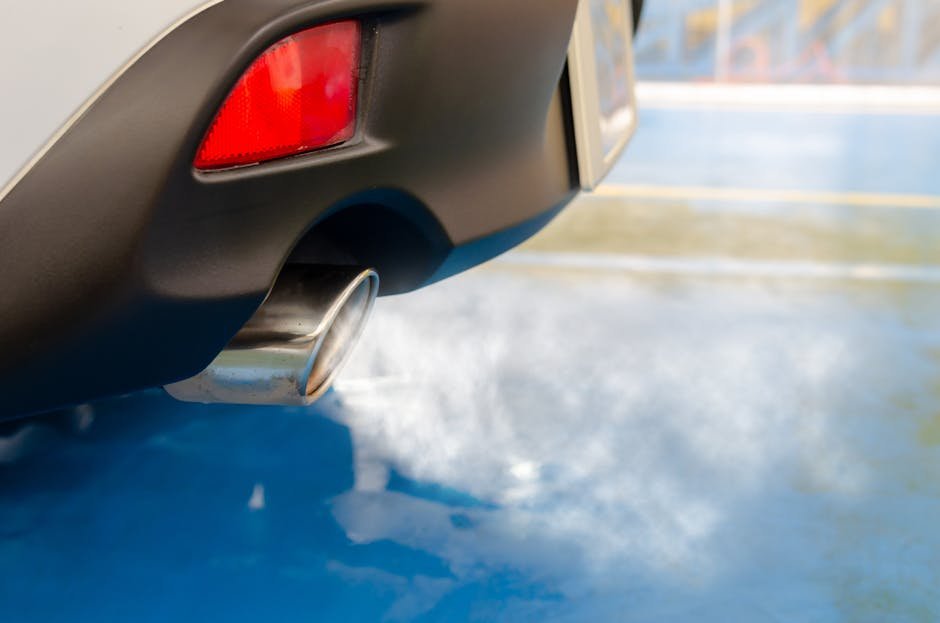
What Blue Smoke Looks Like
Blue smoke is often described as blue-gray rather than a vivid blue. It’s typically most visible on startup, during hard acceleration, or when decelerating. You may also notice:
- Oil level dropping between changes without visible leaks
- A burning oil smell inside or outside the vehicle
- Spark plugs fouled with black, oily deposits
- Possible check engine light (from O2 sensor contamination)
Common Causes of Blue Smoke
1. Worn Valve Seals
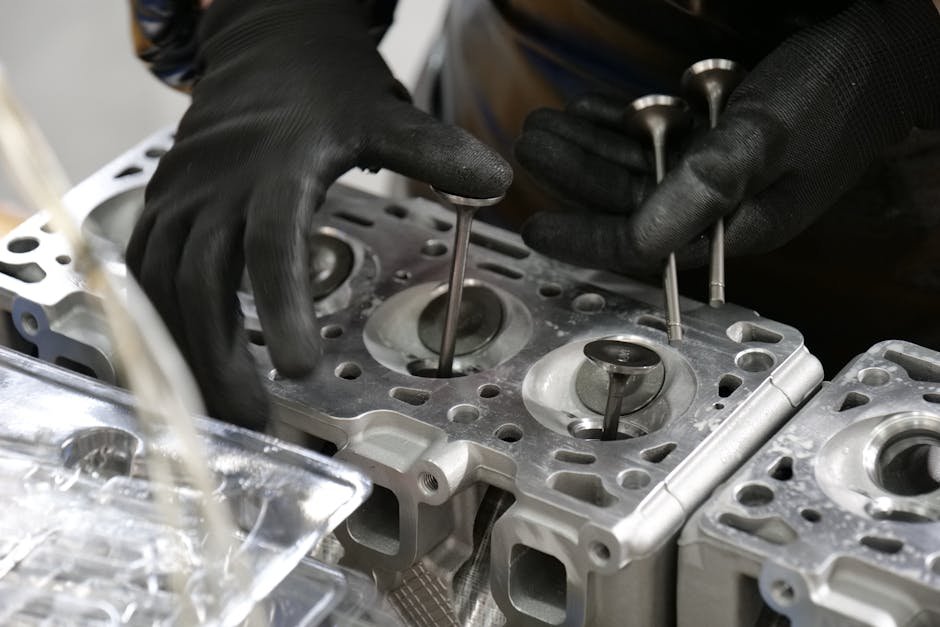
Valve stem seals prevent oil from the valve train from being pulled down into the combustion chamber. When they harden or wear with age and mileage, oil seeps past them — most noticeably on startup (oil accumulates while the engine sits) and on deceleration (when intake vacuum is highest). Blue smoke that is worst at startup and then clears up is the classic valve seal pattern. Cost: -,500 depending on engine design and number of cylinders.
2. Worn Piston Rings
Piston rings scrape oil off the cylinder walls and return it to the oil pan. When rings wear or break, oil gets past them into the combustion chamber. This type of oil burning is typically constant, not just at startup, and is most pronounced during acceleration when cylinder pressure is highest. Worn rings often mean significant engine wear. Diagnosis: a compression test and leak-down test confirm ring condition. Repair may involve engine rebuild or replacement. Cost: ,000-,000+.
3. Turbocharger Seal Failure
On turbocharged engines, a failing turbo shaft seal allows oil from the turbocharger to enter the intake or exhaust stream. Blue smoke from a turbo leak tends to appear after hard acceleration and may be accompanied by a burning smell and reduced boost performance. Cost: -,000 for turbocharger replacement or rebuild.
4. PCV System Malfunction
A clogged or failed PCV (Positive Crankcase Ventilation) valve causes crankcase pressure to build up, forcing oil mist into the intake system in excessive quantities. This can produce light blue smoke without the underlying engine wear of piston ring failure. PCV valve replacement is inexpensive. Cost: –.
5. Overfilled Oil
If the oil level is above the full mark on the dipstick, excess oil can be splashed into areas where it shouldn’t be and eventually burned. Check your oil level first. If overfilled, excess oil should be drained to the correct level.
How We Diagnose Blue Smoke at Norm’s
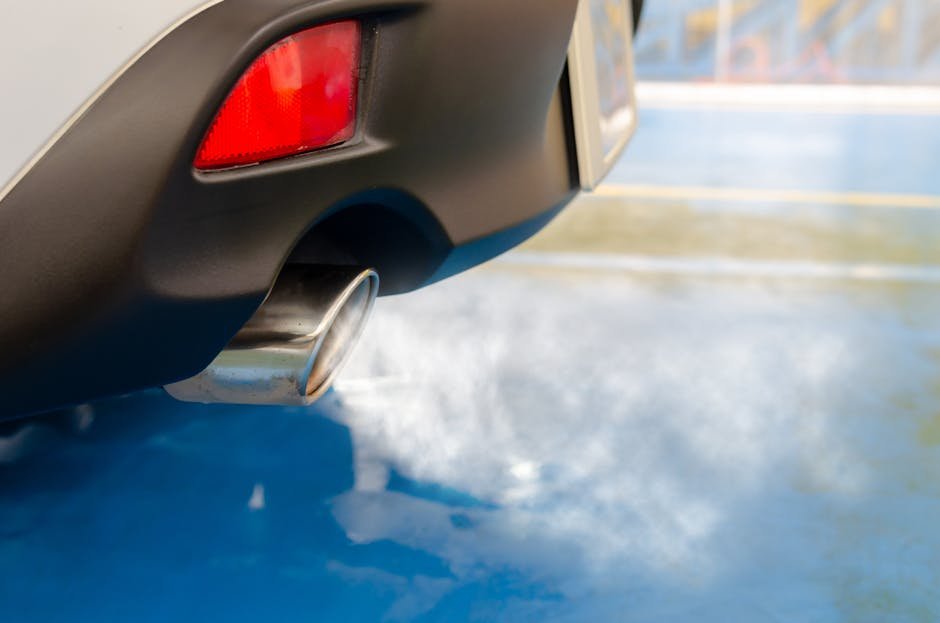
Blue smoke diagnosis at Norm’s starts with checking oil level and condition, then observing when the smoke is most prevalent (startup vs. acceleration vs. deceleration). A compression test measures combustion pressure in each cylinder. A cylinder leak-down test pressurizes each cylinder individually and listens for where air escapes (crankcase indicates rings; valve cover indicates valves). This gives us a clear picture of what repair is actually needed.
Find us at 19 N. Broadway, Coweta, OK 74429. Call (918) 279-8100 — serving Coweta, Broken Arrow, Wagoner, Muskogee, and the greater Tulsa area.