
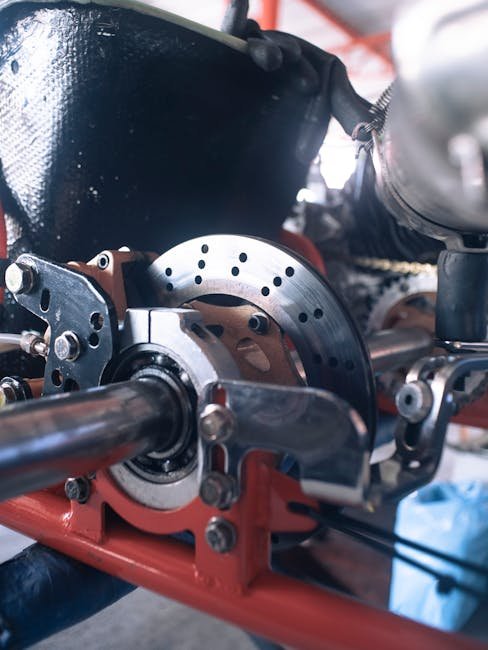
Brake fluid is the most overlooked fluid in most vehicles — and skipping its service is more consequential than most drivers realize. Unlike engine oil, which turns visibly black when it needs changing, brake fluid gives no easy visual cue that it’s degraded. At Norm’s Auto Clinic in Coweta, Oklahoma, we check brake fluid moisture content at every brake service and recommend flushing when it’s needed — not on a selling schedule.
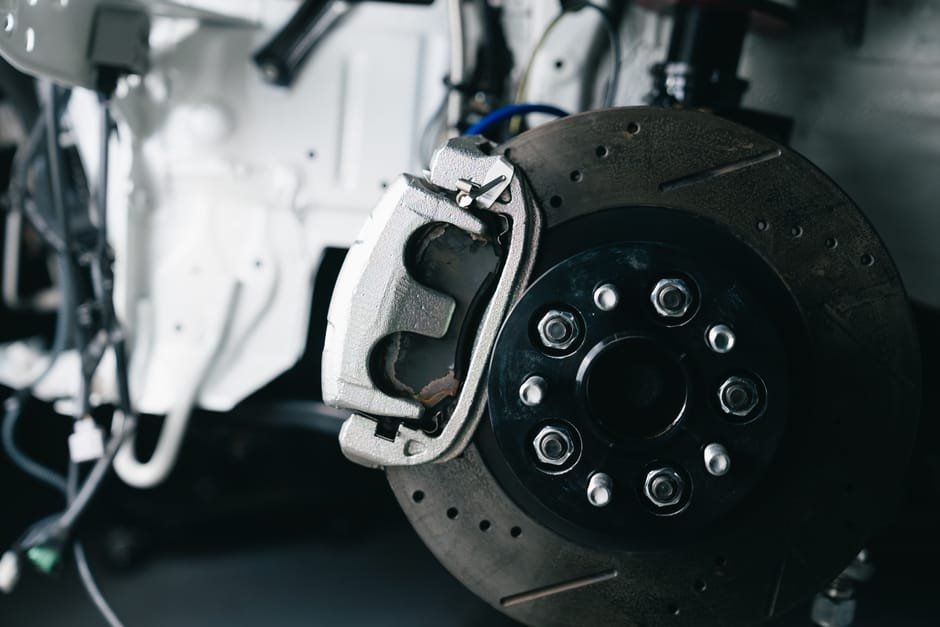
Why Brake Fluid Needs to Be Changed
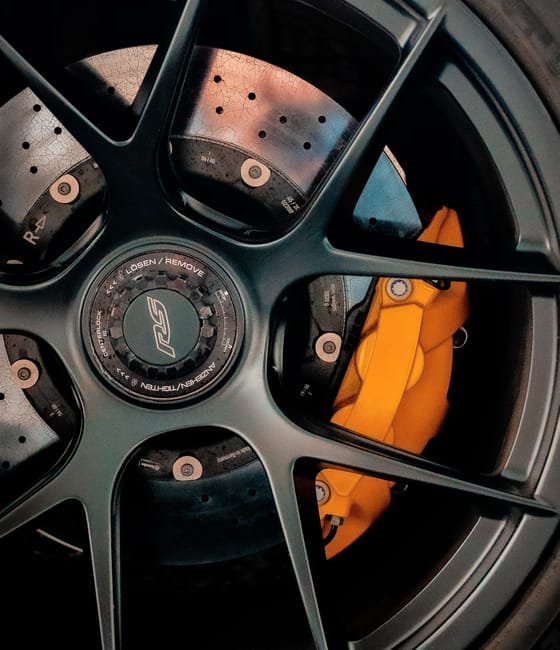
Brake fluid (glycol-based DOT 3, DOT 4, or DOT 5.1) is hygroscopic — it actively absorbs moisture from the air through microscopic pores in the rubber brake hoses. Over time, water content in the brake fluid increases. This matters for two critical reasons:
- Lower boiling point: Fresh DOT 4 brake fluid boils at 446°F (dry). With 3% water content, that drops to 311°F. Under heavy Oklahoma summer braking conditions — long downhills, trailer towing, emergency stops — overheated fluid can boil, creating vapor bubbles that cause a sudden spongy pedal (vapor lock). This is a genuine safety hazard.
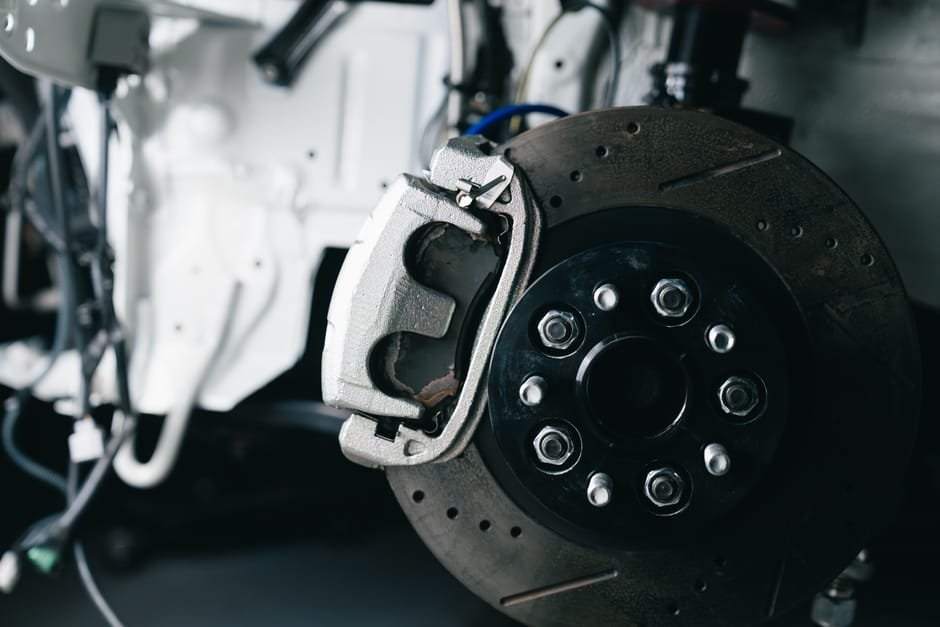
- Corrosion: Water in brake fluid corrodes metal brake components — wheel cylinders, calipers, ABS modulators, and brake lines. Corrosion damage inside calipers causes seized pistons; corrosion in brake lines causes pinhole leaks. Both are expensive to repair.
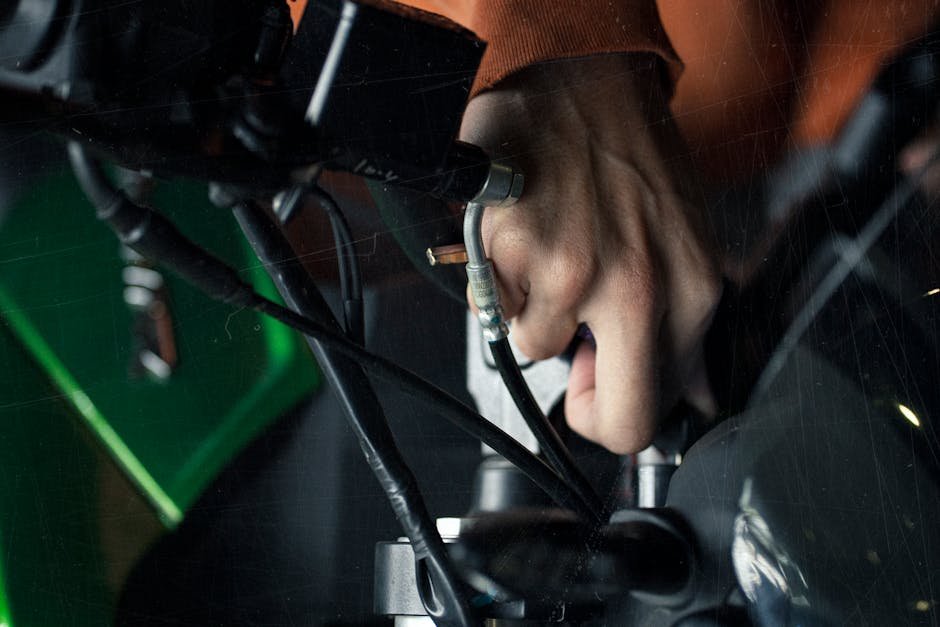
Brake Fluid Change Interval
Most manufacturers recommend brake fluid replacement every 2 years or 30,000 miles, regardless of appearance. Oklahoma summers accelerate moisture absorption slightly compared to moderate climates. We use an electronic moisture tester to check brake fluid water content — if it’s above 3%, we recommend a flush regardless of when it was last done.
DOT 3 vs DOT 4 vs DOT 5 — What’s the Difference?
- DOT 3 — Minimum dry boiling point 401°F; used in most older vehicles; compatible with DOT 4
- DOT 4 — Minimum dry boiling point 446°F; common in modern vehicles; higher performance; absorbs moisture slightly faster than DOT 3
- DOT 5.1 — Minimum dry boiling point 500°F; high-performance applications; compatible with DOT 3/4
- DOT 5 (silicone-based) — Not compatible with DOT 3/4/5.1; used in specialty/vintage applications; does NOT absorb moisture but traps it as droplets which can cause local corrosion
Always use the brake fluid specification listed in your owner’s manual — never mix incompatible types. Norm’s Auto Clinic — 19 N. Broadway, Coweta, OK 74429. Call (918) 279-8100. Serving Coweta, Broken Arrow, Wagoner, and the Tulsa area.