
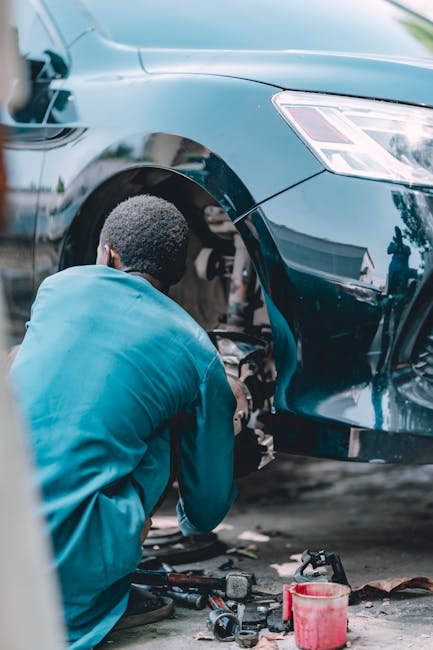
Many drivers assume that a brake job means replacing just the brake pads. Sometimes that’s right. But there are specific situations where you need to replace the rotors too — and situations where you don’t — and understanding the difference can save you from paying for rotors you don’t need or missing a safety issue by leaving bad rotors in place. Here’s how Norm’s Auto Clinic approaches the brake pad vs. rotor decision.
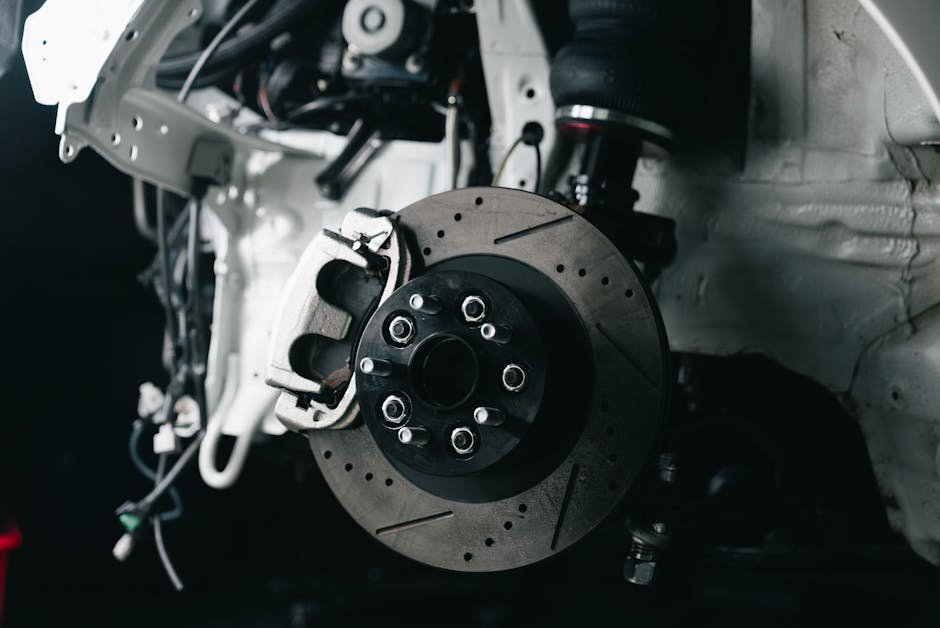
When You Can Replace Just the Pads
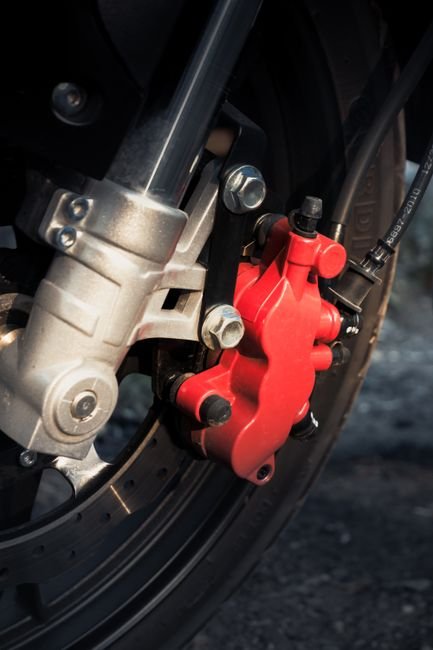
If the following conditions are all true, pads alone may be sufficient:
- Rotor thickness is above the minimum thickness specification (stamped on the rotor or found in service data)
- Rotor surface has no deep grooves or scoring from metal-on-metal contact
- Rotor shows no cracks, hot spots, or severe rust pitting
- Rotor runout (wobble when measured with a dial indicator) is within specification
- No pulsation felt in the brake pedal during braking
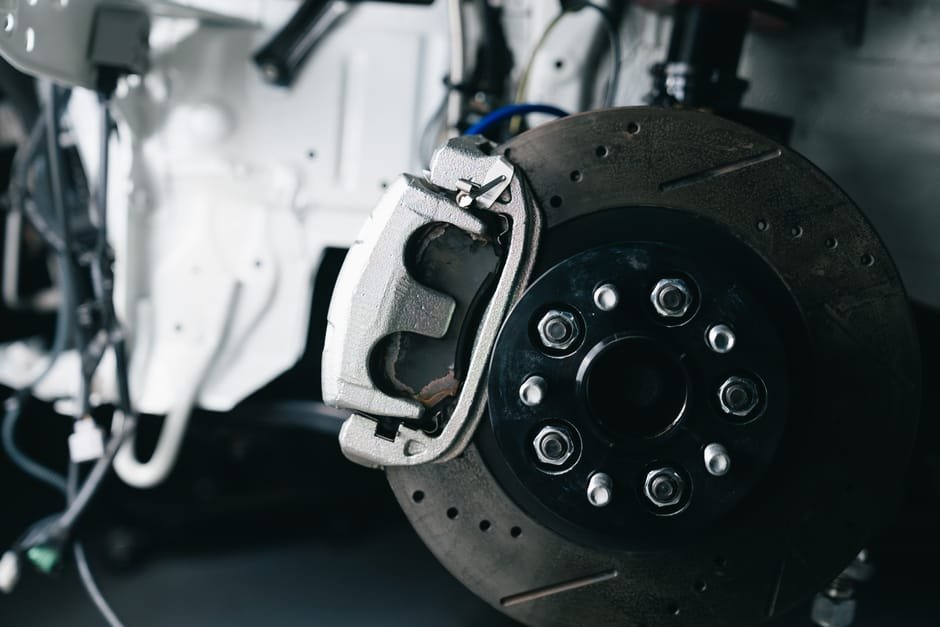
When You Need to Replace the Rotors
- Rotor below minimum thickness — The most common reason. Rotor manufacturers and vehicle OEMs specify a minimum thickness; rotors below this spec don’t have enough metal to dissipate heat safely. This is not negotiable for safety.
- Deep grooves or scoring — If pads wore down to bare metal (the squeal-became-grinding situation), the metal backing plate has cut deep grooves into the rotor. These grooves destroy new pads rapidly — replacement is required.
- Rotor warpage/runout — A warped rotor causes pedal pulsation and poor stopping. Can sometimes be corrected by resurfacing if enough material remains; otherwise replacement.
- Heat damage — Blue discoloration and hot spots indicate overheating; compromised metallurgy; replace.
- Severe rust pitting — Surface rust is normal; pitting that extends into the rotor face reduces braking contact area and should be replaced.
Should You Replace Both Sides at Once?
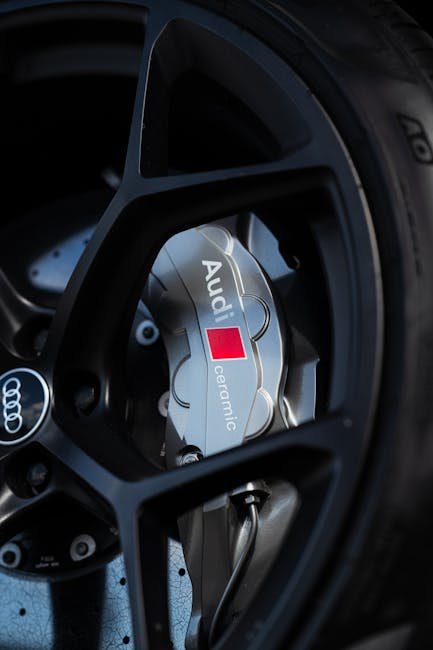
Yes, always replace brakes in axle pairs — both front rotors together, both rear rotors together. Mismatched brake components (one side new, one side worn) cause uneven braking force and vehicle pull during stops. This is a safety issue, not just a best-practice recommendation.
At Norm’s, we measure every rotor, check for scoring and runout, and tell you exactly what you need — no more, no less. Call (918) 279-8100 or visit 19 N. Broadway, Coweta, OK 74429. Serving Coweta, Broken Arrow, Wagoner, and the Tulsa area.