
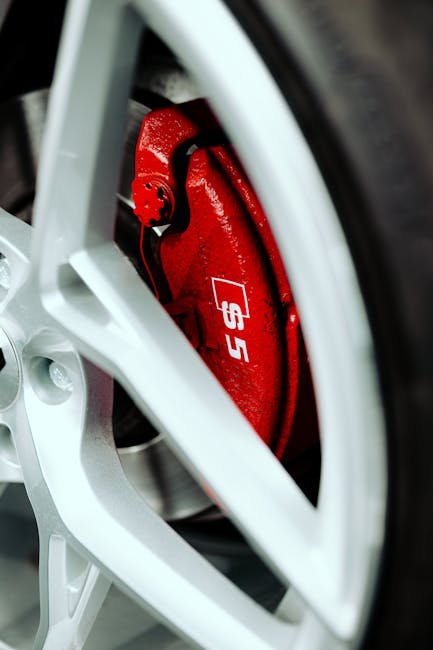
Brake rotors don’t have a simple mileage replacement interval like oil filters do. Whether to replace them depends on measurements, wear patterns, and operating history — not time or mileage alone. At Norm’s Auto Clinic in Coweta, we measure every rotor before recommending replacement, and we explain what we found in plain language. Here’s how we make that call.
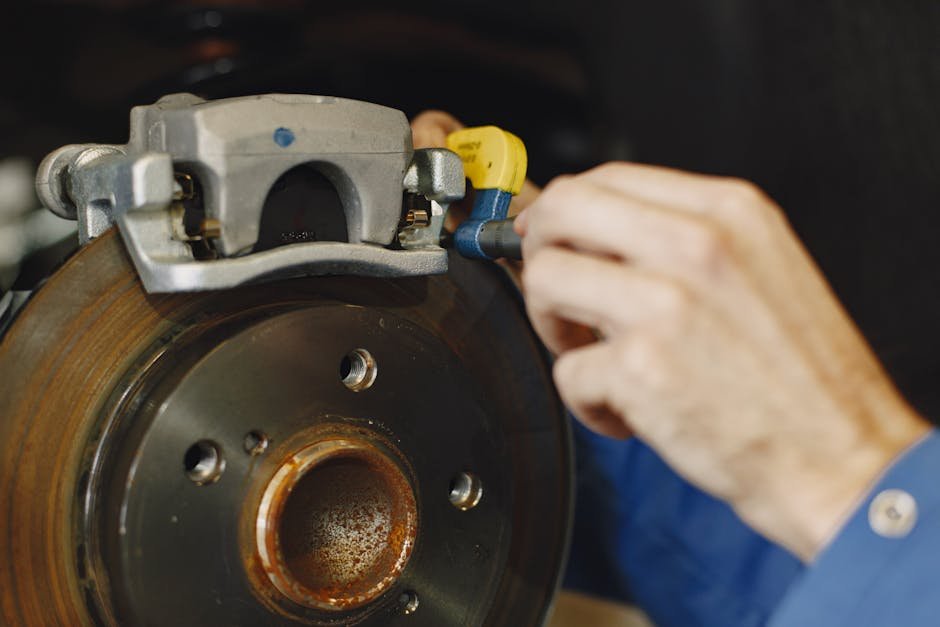
The Three Ways Rotors Fail
1. Thickness Below Minimum
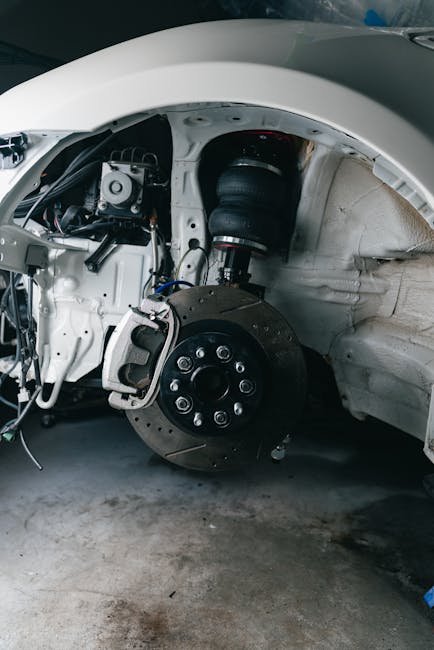
Every brake rotor has a minimum thickness specification stamped on its hub or specified by the manufacturer. This minimum exists for heat dissipation — a rotor below minimum thickness doesn’t have enough metal to absorb and dissipate brake heat safely. Rotors thin below minimum must be replaced regardless of surface condition or other factors. This is non-negotiable for safety, and it’s the most common reason we replace rotors.
2. Surface Damage
Deep grooves from metal-on-metal brake pad contact (backing plate against rotor after pads wore through) cut channels into the rotor surface that cannot be machined out if they’re too deep or if removing them would drop thickness below minimum. Cracks radiating from the center hat area are structural failures — immediate replacement. Hot spots (blue/gray discoloration in patches) indicate localized overheating and metallurgical changes that cause uneven hardness and pedal pulsation.
3. Warpage (Runout)
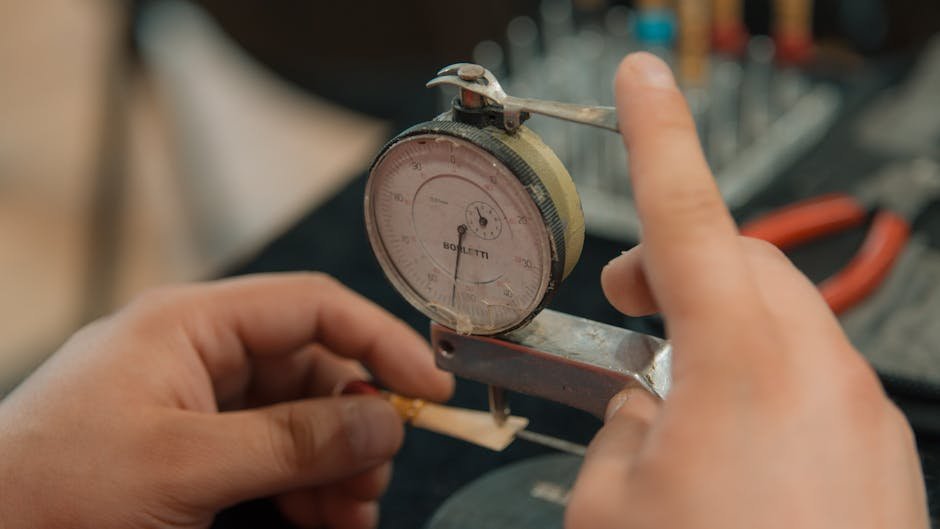
A warped rotor — technically excessive lateral runout — causes the rotor to wobble slightly as it spins. The pad contacts the high spots on the rotor face, creating a pulsating pedal during braking. Runout is measured with a dial indicator; anything above 0.003–0.005 inches typically causes noticeable pedal pulsation. Mild warpage can sometimes be corrected by resurfacing (machining the rotor flat) if sufficient thickness remains. Severe warpage requires replacement.
Typical Rotor Life Expectancy
- Passenger cars, light duty: 50,000–70,000 miles with normal driving and quality pads
- SUVs and light trucks: 40,000–60,000 miles
- Heavy trucks, towing applications: 30,000–50,000 miles depending on load and terrain
Rotor life is heavily influenced by pad quality — cheap soft pads wear rotors faster than quality ceramic or semi-metallic pads. Norm’s Auto Clinic measures your rotors at every brake inspection and shows you the numbers. Call (918) 279-8100 or visit 19 N. Broadway, Coweta, OK 74429. Serving Coweta, Broken Arrow, Wagoner, and the Tulsa area.