
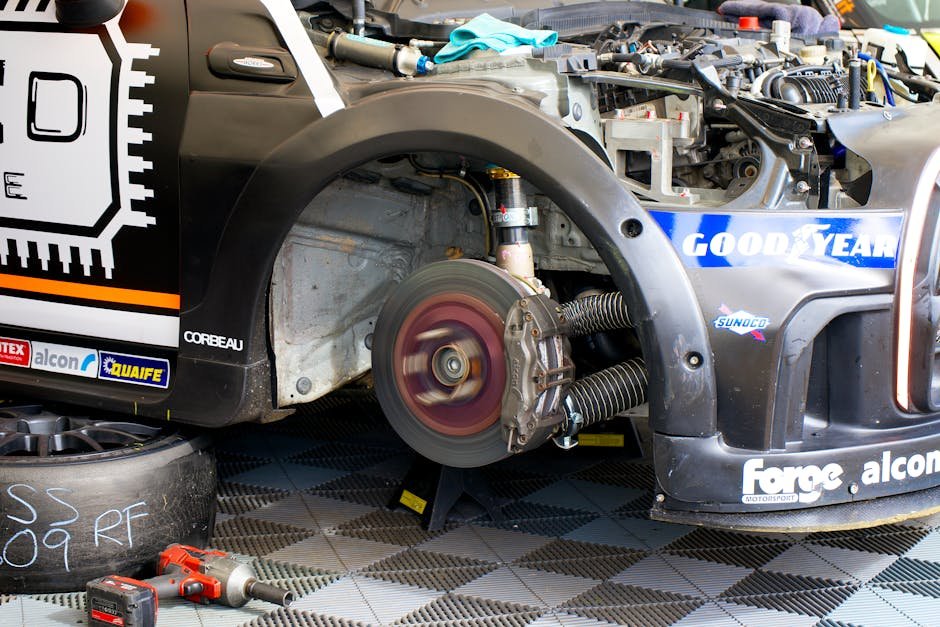
Brake squeal is one of the most common car noises drivers report — and one of the most frequently misunderstood. Not all brake squeal means danger. Some squeal is designed into the system as a warning. Other types are normal. And some types indicate a problem that needs attention. Here’s how to tell the difference, from Norm’s Auto Clinic in Coweta, Oklahoma.
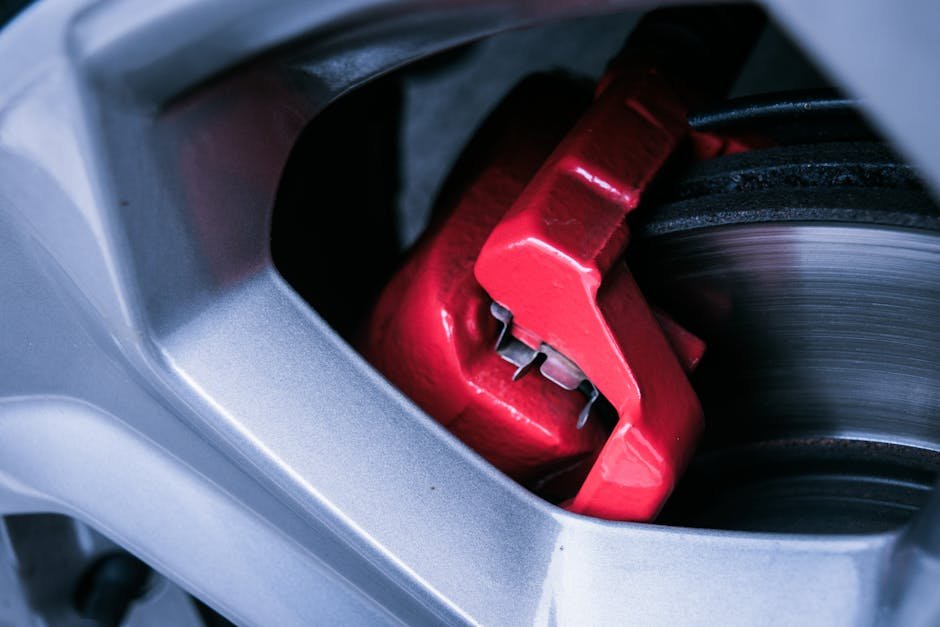
Types of Brake Squeal and What They Mean
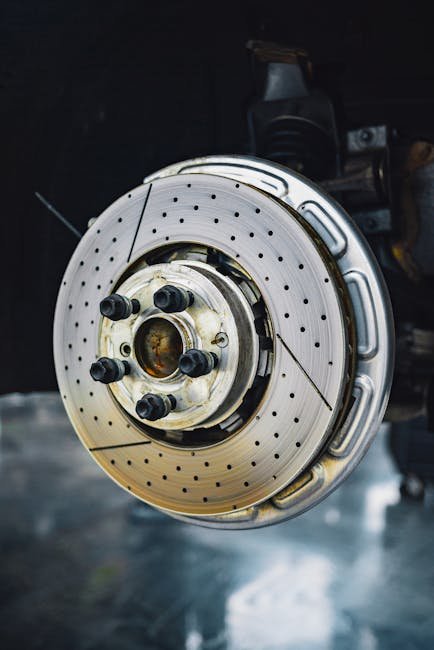
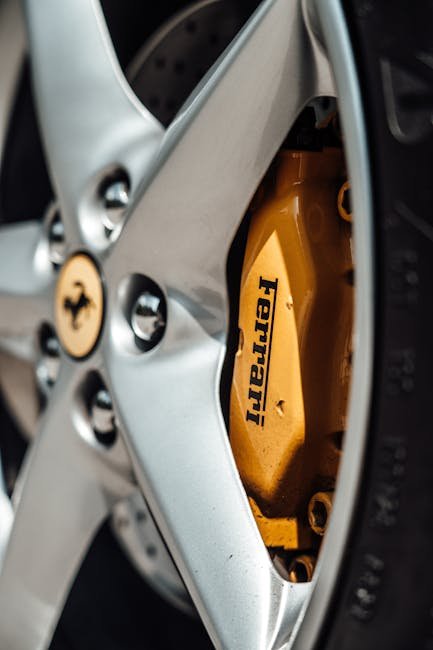
1. Wear Indicator Squeal (Schedule Service Soon)
Most brake pads contain a steel wear indicator — a small metal tab attached near the edge of the pad. When the brake pad wears down to minimum safe thickness (typically 2–3mm), the indicator contacts the rotor and produces a high-pitched squeal. This is a designed warning system. The squeal typically occurs every time you brake, is consistent, and may be accompanied by a slight vibration. If you hear this, schedule a brake inspection — you have time to get it done properly, but don’t delay more than a few weeks.
2. Cold/Wet Morning Squeal (Usually Normal)
Oklahoma’s humidity causes overnight surface rust on brake rotors. For the first few stops on a cold or damp morning, brakes may squeal or scrape until the rust layer is worn away. This is normal if it clears within 3–5 stops. If it persists longer, have the brakes inspected.
3. Glazed Pad Squeal (Needs Service)
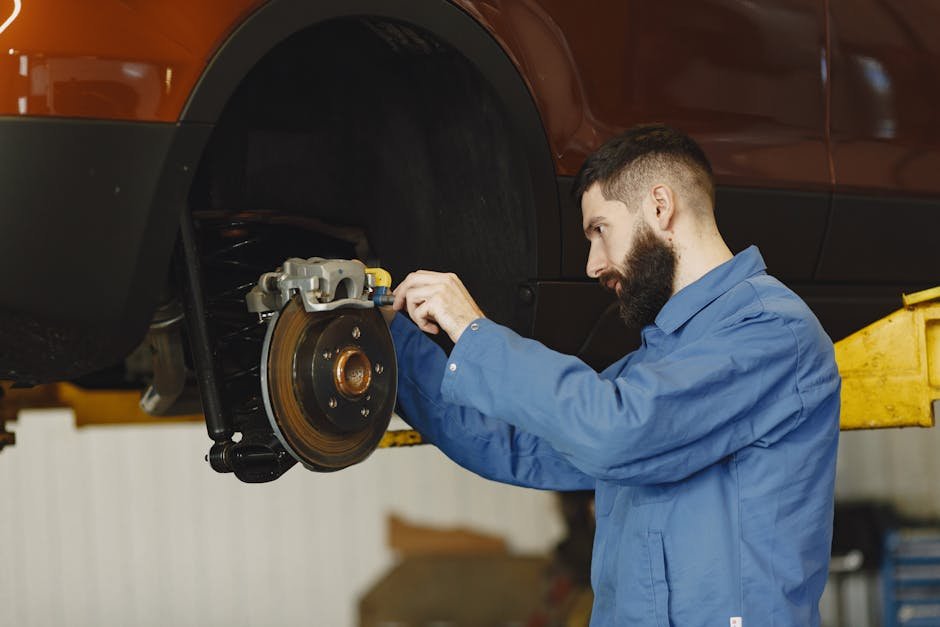
If brakes were applied hard repeatedly during heavy braking (trailer towing on a long downhill, emergency braking), or if a caliper is dragging and heating one pad excessively, the friction material can develop a glazed (hard, shiny) surface. Glazed pads squeal, provide reduced stopping power, and may produce pedal pulsation. Diagnosis and brake service are needed.
4. Dust or Contamination Squeal (May Self-Resolve)
Fine dust, sand, or debris between pad and rotor can cause temporary squeal. Oklahoma’s red clay dust and gravel roads are real contributors. If the squeal is intermittent and occurs after driving on dusty roads, it often resolves after normal driving. Persistent squeal after several hundred miles warrants inspection.
5. Cheap Pad Squeal (Pad Quality Issue)
Organic and economy brake pads are prone to squeal from the pad material composition. This is common after a low-budget brake job at a chain shop using economy pads. Higher-quality semi-metallic or ceramic pads generally run quieter. If you recently had brake pads replaced and they squeal constantly, the pad quality may be the culprit.
Norm’s Auto Clinic — 19 N. Broadway, Coweta, OK 74429. Call (918) 279-8100 if your brakes are making noise. Serving Coweta, Broken Arrow, Wagoner, and the Tulsa area.