
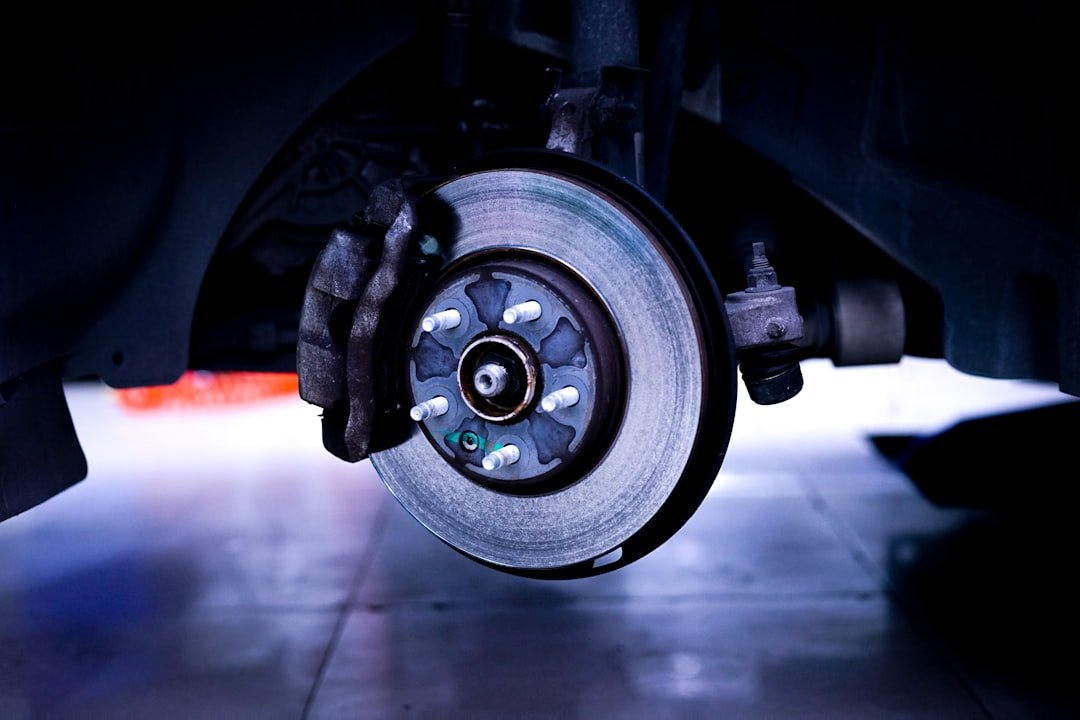
Your brakes are the most critical safety system on your vehicle. They’re also one of the most frequently neglected — not out of carelessness, but because brake wear happens gradually and many drivers simply don’t know what warning signs to watch for. By the time brakes fail catastrophically, the damage is done.
At Norm’s Auto Clinic in Coweta, Oklahoma, brake inspections and repairs are among our most common services. In this comprehensive guide, we’ll cover the anatomy of your brake system, the five most critical warning signs, how Oklahoma seasons accelerate brake wear, the difference between ABS and standard brakes, and what you can realistically expect to pay for brake service in the Tulsa area.
How Your Brake System Works: A Quick Primer
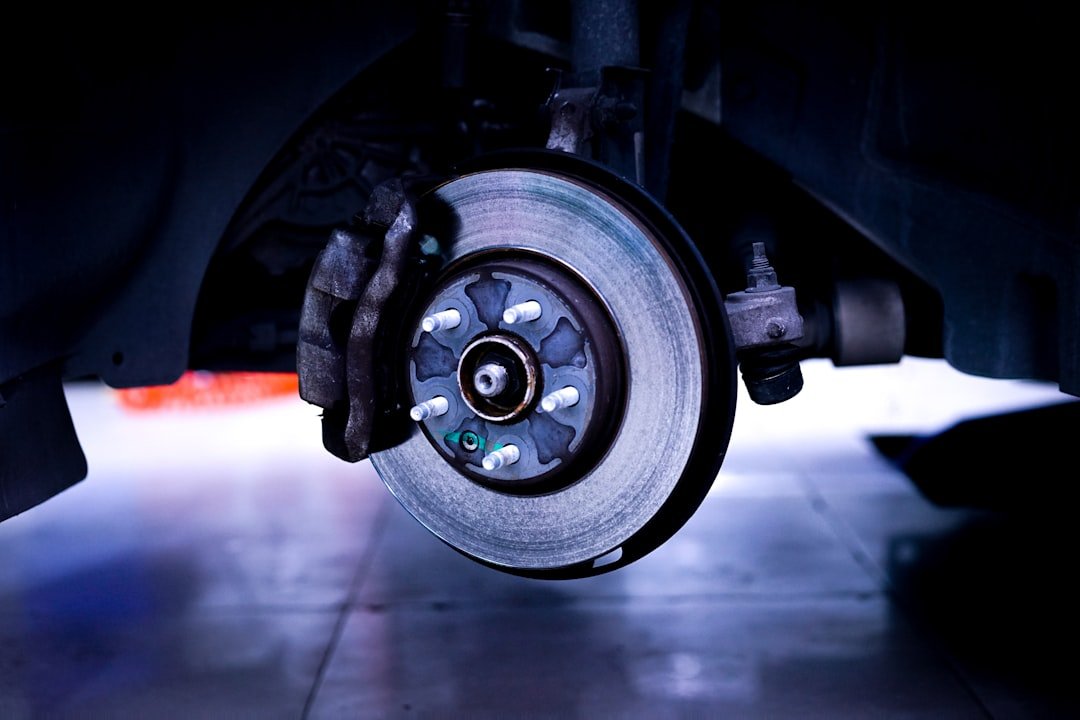
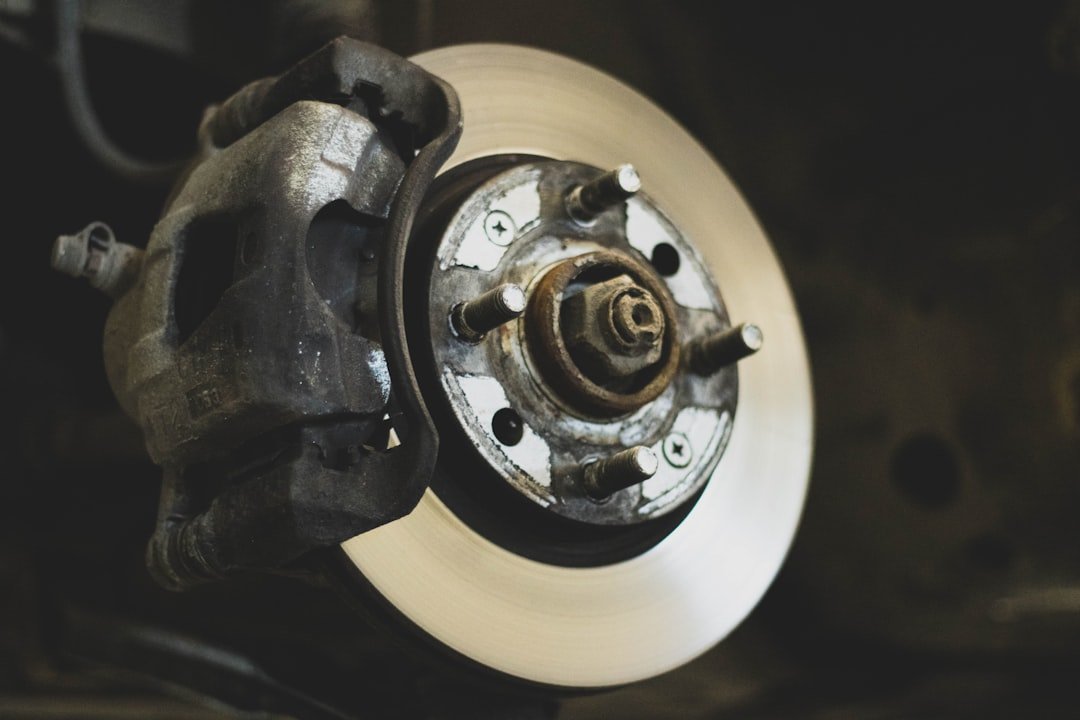
Understanding how brakes work makes it much easier to recognize when something goes wrong. Modern vehicles use disc brakes on all four wheels (though some older models have drum brakes in the rear), operating on a hydraulic pressure system.
When you press the brake pedal, you’re pushing brake fluid through the master cylinder into the brake lines. This hydraulic pressure activates calipers on each wheel, which squeeze brake pads against a spinning rotor (disc). Friction converts your vehicle’s kinetic energy into heat, slowing the wheel. The rotor, pad, caliper, and brake fluid are all part of this system — and any of them can be the source of a problem.
Brake fluid is hygroscopic, meaning it absorbs moisture from the air over time. As moisture accumulates, the fluid’s boiling point drops — a significant issue during heavy braking when heat spikes are intense. Most manufacturers recommend flushing brake fluid every two years regardless of mileage.
The 5 Warning Signs Your Brakes Need Replacing
1. Squealing or Screeching When You Brake
This is the most common brake warning and the one engineers intentionally designed into brake pads. Modern brake pads contain a small metal indicator called a wear indicator tab. When the pad material wears down to the minimum safe thickness (typically around 2–3mm), this tab contacts the rotor and produces a high-pitched squeal.
This is your early warning. At this point, you still have time to schedule brake service before causing rotor damage. Don’t ignore it hoping it will go away — it won’t. The noise is the system working as designed to alert you.
Note: Brakes can also squeal briefly after rain or overnight sitting due to surface rust on the rotor. This typically clears after a few brake applications and isn’t cause for concern.
2. Grinding or Metal-on-Metal Sound
If squealing has progressed to grinding, you’ve moved past the warning stage into damage territory. Grinding means the brake pad material has worn through completely, and the metal backing plate is now contacting the rotor directly. This is an emergency — stop driving and call for service immediately.
Beyond being dangerous (your stopping distance is severely compromised), grinding rapidly destroys rotors. A rotor that’s been ground on may need to be replaced rather than resurfaced, adding $100–$200 per axle to your repair bill. The cost of ignoring squealing is always higher than addressing it promptly.
3. Vehicle Pulling to One Side During Braking
If your car drifts left or right when you apply the brakes, it indicates uneven brake force between the left and right sides. Common causes include a stuck caliper (applying pressure on one side when it shouldn’t), uneven pad wear, or a brake hose that’s collapsed internally and restricting fluid flow.
Pulling during braking is dangerous because it means you have limited ability to stop predictably in an emergency. It’s also worth noting that alignment issues and tire problems can cause similar pulling — but if it only happens when braking, the brake system is the most likely culprit.
4. Vibration or Pulsation in the Brake Pedal
A vibrating or pulsating brake pedal typically indicates warped rotors. Rotors can warp from extreme heat cycling — repeated hard stops, like driving down a mountain — or from the thermal shock of driving through a puddle immediately after heavy braking. The warped surface creates an uneven contact area as the rotor spins, producing that pulsing feeling.
Mild rotor warping can sometimes be corrected by resurfacing (machining the rotor flat on a lathe). However, rotors have a minimum thickness specification below which they’re unsafe to resurface. If the rotor has already been resurfaced once, or is at minimum thickness, replacement is the correct repair.
5. Soft, Spongy, or Sinking Brake Pedal
Your brake pedal should feel firm when fully depressed, with most stopping power occurring in the first half of pedal travel. A soft or spongy pedal — one that travels further than normal or feels mushy — indicates a problem with hydraulic pressure. Most commonly, this is air in the brake lines or a failing master cylinder. In severe cases, it can indicate a brake fluid leak.
A pedal that sinks slowly to the floor while you’re holding pressure is a master cylinder failure — a situation where you should not drive the vehicle. Call for a tow.
Oklahoma Seasons and Brake Wear: What Local Drivers Need to Know
Oklahoma’s climate creates unique challenges for brake systems that many drivers underestimate.
Summer Heat
Oklahoma summers push temperatures above 100°F regularly, and road surface temperatures can exceed 150°F. Brake system temperatures during normal city driving can reach 300–400°F at the rotor. During aggressive braking, temperatures spike far higher. Heat accelerates brake fluid moisture absorption, softens pad compounds, and increases the risk of brake fade — a temporary loss of braking power when the pads overheat. If your brakes feel less effective during a long descent or repeated hard stops in summer, that’s fade.
Winter Ice and Salt
Oklahoma winters bring ice storms that can coat roads with several inches of ice overnight. While Oklahoma doesn’t use as much road salt as northern states, the combination of road deicers and freeze-thaw cycles accelerates brake component corrosion. Rotors can develop significant rust pitting after sitting in salty slush. More critically, hard ABS-assisted stops on ice put intense stress on brake components. Have your brakes inspected after each ice season.
Spring Flooding
Coweta and Wagoner County can experience significant flooding in spring. Driving through deep water can introduce water into brake drums and calipers, temporarily reducing brake effectiveness. If you’ve driven through standing water, pump your brakes gently several times to clear the moisture and test for normal pedal feel before relying on full braking in traffic.
ABS Brakes vs. Standard Brakes: Understanding the Difference
Anti-lock Braking System (ABS) has been standard on virtually all new passenger vehicles in the United States since 2012 (mandated for light trucks). If your vehicle was built after 2013, it has ABS.
ABS prevents wheel lockup during hard braking by rapidly pulsing brake pressure to each wheel individually — up to 15 times per second. This keeps the wheels rotating so you maintain steering control while stopping. The pulsing sensation in the pedal during a hard stop on a slick surface is normal ABS operation.
What ABS does not do: it does not necessarily shorten stopping distances on dry pavement (it may even slightly increase them). Its primary benefit is maintaining steering control during emergency stops on wet or icy roads — critical during Oklahoma ice storms.
ABS components (wheel speed sensors, ABS control module, hydraulic modulator) add complexity to the brake system. If your ABS warning light illuminates, schedule an inspection promptly. ABS faults don’t disable your regular brakes, but they do disable the anti-lock function, leaving you without controlled-stop capability on slick surfaces.
Brake Repair Costs: What to Expect in the Coweta/Tulsa Area
Brake repair costs vary widely based on vehicle type, the components needed, and whether you’re dealing with front or rear brakes (rears are typically more expensive on vehicles with rear disc brakes combined with parking brake hardware). Here’s a realistic range for our area:
- Brake pad replacement (pads only, both sides of one axle): $80–$150 in parts + labor
- Brake pad + rotor replacement (one axle): $175–$350 depending on vehicle and rotor quality
- Full brake job (all four corners, pads + rotors): $350–$700 for most passenger vehicles; more for trucks and luxury vehicles
- Brake fluid flush: $70–$120 — highly recommended every 2 years
- Caliper replacement (one caliper): $100–$250 including labor
- Master cylinder replacement: $200–$400 including bleeding the system
At Norm’s Auto Clinic, we provide written estimates before beginning any brake work. We use quality replacement parts — we don’t install the cheapest possible components on your safety-critical systems. And we’ll always explain what we found and why we’re recommending specific repairs, so you can make an informed decision.
When Can You DIY Brake Work?
Brake pad replacement is within reach for mechanically comfortable home mechanics. You’ll need a floor jack and stands, basic hand tools, a C-clamp or brake piston tool to retract the caliper, and brake cleaner. Many YouTube tutorials cover the process for specific vehicles.
However, we recommend professional service for: anything involving the brake hydraulic system (master cylinder, brake lines, calipers), ABS component diagnosis, rear brakes with integrated parking brake mechanisms (which can be complex to reassemble), and if you’re not confident in your ability to torque lug nuts correctly after remounting wheels.
There’s no shame in choosing professional service for brake work. Given what’s at stake — your life and the lives of other drivers on the road — this is one system where peace of mind is worth the cost of professional installation.
Schedule a Brake Inspection at Norm’s Auto Clinic
If you’re experiencing any of the warning signs above — squealing, grinding, pulling, pedal pulsation, or a soft pedal — don’t delay. Brake problems don’t resolve themselves, and the cost of waiting is always higher than the cost of addressing the issue now.
Norm’s Auto Clinic offers thorough brake inspections as part of every major service, or as a standalone check if you have concerns. We serve Coweta, Broken Arrow, Wagoner, Muskogee, and the greater Tulsa area. Call us at (918) 279-8100 or visit us at 19 N. Broadway, Coweta, OK 74429.