
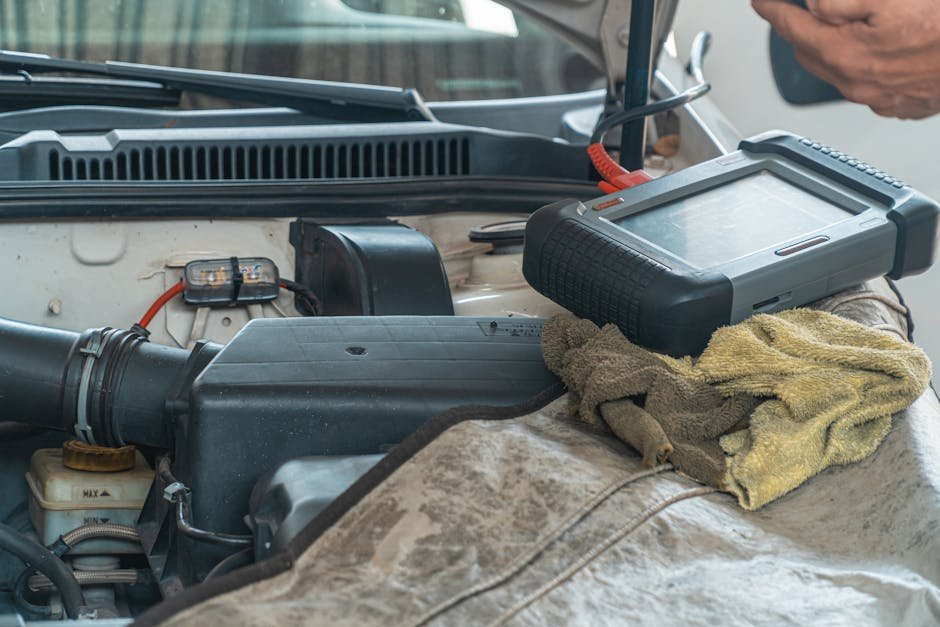
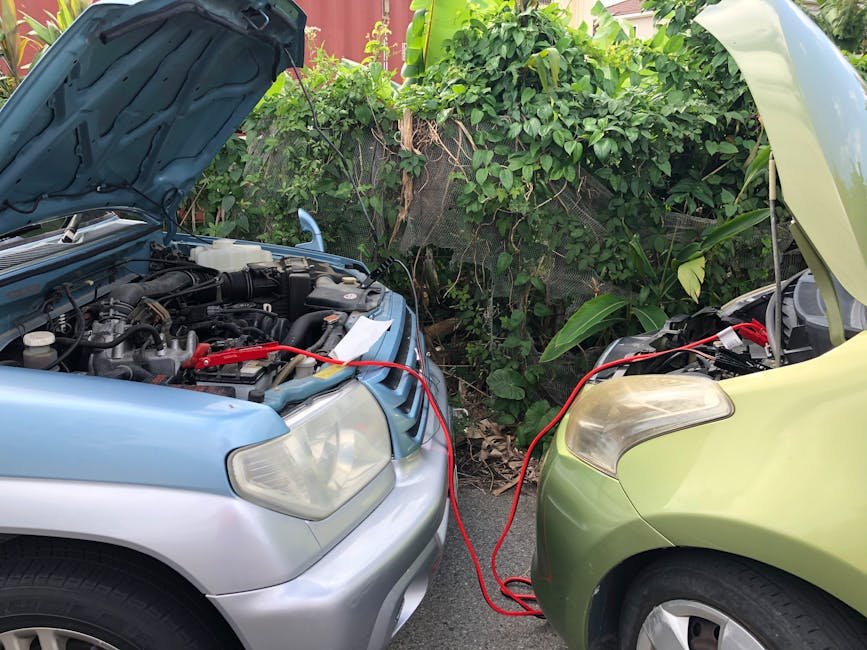
You replaced the battery, and now it’s dead again. Or you jumped it, it ran fine for a day, and then died again the next morning. A battery that keeps dying is one of the most frustrating automotive problems — and it almost always has a specific cause that isn’t the battery itself. At Norm’s Auto Clinic in Coweta, Oklahoma, we diagnose recurring battery drain regularly. Here are the most common causes and how we find them.
The Most Common Reasons a Car Battery Keeps Dying
1. Failing Alternator
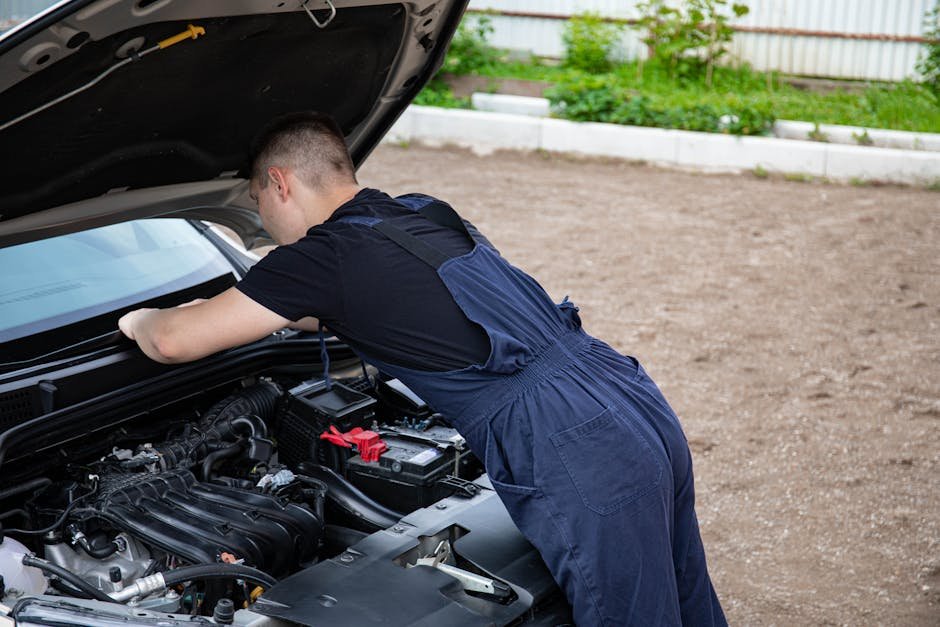
The most common cause of a battery that repeatedly dies is a failing alternator. The alternator is supposed to recharge the battery while the engine runs. If the alternator’s output drops below the battery’s demand — due to worn brushes, a failing diode, or a bad voltage regulator — the battery drains while you drive. You park with a partially or fully discharged battery, and the next morning it won’t start. The pattern: the car runs fine while driving but the battery is always dead when you return to it.
Diagnosis: Check charging voltage with the engine running. Should read 13.5–14.7V at the battery terminals. Below 13.5V at highway RPM means the alternator isn’t keeping up. We perform this test free during any battery or charging system complaint visit.
2. Parasitic Battery Draw
Every modern vehicle has systems that draw a small amount of current from the battery even with the engine off — the alarm system, clock, key fob receiver, and various computer modules. In a healthy vehicle, this “parasitic draw” is typically 20–50 milliamps — small enough that a healthy battery can sit for weeks without dying. But when a module malfunctions and draws more than expected, the battery can discharge overnight or within a few days.
Common sources of excessive parasitic draw include: a trunk or glove box light that stays on, a faulty relay that keeps a module powered continuously, a module that won’t enter sleep mode (common in some body control modules and infotainment systems), an aftermarket accessory (GPS tracker, dashcam, audio amplifier) that wasn’t properly installed with a switched power circuit, or a recently installed trailer wiring harness with a fault.
Diagnosis: A milliamp clamp meter or an in-line ammeter measures the total current draw with the car off and all systems sleeping. Normal is under 50mA. Above 100mA is cause for concern; above 200mA will drain most batteries in 2–4 days. Finding which circuit is responsible involves pulling fuses one at a time while monitoring the draw — when the draw drops to normal, the culprit circuit is identified.
3. Old or Failed Battery
Batteries that have been deeply discharged multiple times (as in a parasitic draw situation) develop permanent internal damage — a process called sulfation where lead sulfate crystals form on the plates and reduce capacity. A battery that’s been jump-started four times in a month may read 12.6V at rest but collapse under load, unable to deliver enough cranking amps to start the engine consistently. Replacing the battery solves the symptom but not the underlying cause — the alternator or parasitic draw issue must still be addressed.
4. Human Error — Lights Left On
Interior dome lights, trunk lights, underhood lights, and headlights left on overnight drain a battery completely. Most modern vehicles automatically turn off headlights, but interior and cargo area lights — especially after loading or unloading — are commonly left on. If the battery drains only occasionally and the car is otherwise fine, check whether a door isn’t closing completely or a light is staying on after the car is parked.
5. Short Trip Driving
Starting the engine uses a large burst of battery power. The alternator needs 20–30 minutes of driving to fully restore that charge. If you only make short trips — around Coweta, school runs, grocery store — the alternator never fully recharges the battery between starts. Over weeks of short-trip driving, the battery’s state of charge gradually declines until it fails to start the engine. This is especially common in Oklahoma winters when the engine also runs accessories (heater, defrost, seat warmers) that demand more electrical load.
6. Corroded or Loose Battery Connections
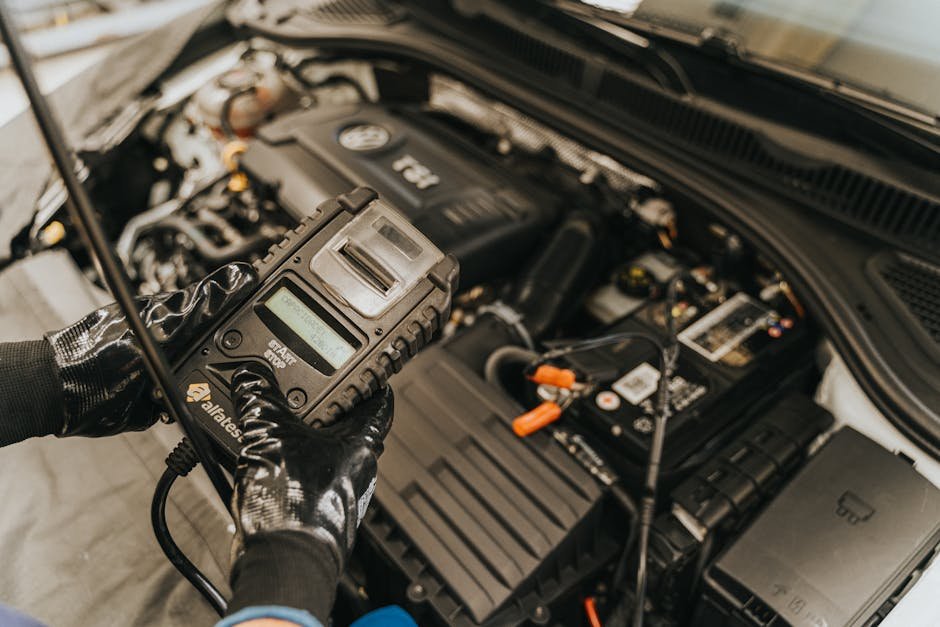
Heavy corrosion on battery terminals increases electrical resistance, which interferes with both charging (the alternator can’t fully charge through a high-resistance connection) and cranking (the starter can’t draw the current it needs through corroded cables). A connection that appears adequate for normal operation may fail under the high-current demand of engine cranking. Clean, tight battery connections are essential for reliable operation.
7. Extreme Temperature Effects
Oklahoma’s summer heat accelerates battery degradation (as covered in our battery life guide). A battery that’s already at 60–70% capacity from heat damage may function adequately in cooler months but fail during a summer heat wave when the battery’s chemistry is under additional thermal stress. In this case, the battery itself is the cause — but the root cause is Oklahoma’s climate shortening battery life faster than expected.
Diagnosing a Recurring Dead Battery
At Norm’s Auto Clinic in Coweta, our recurring-dead-battery diagnosis follows a structured process:
- Step 1: Battery load test — determine if the battery itself is still capable of holding and delivering a full charge, or if it’s been damaged by previous discharge cycles.
- Step 2: Charging system test — measure alternator output voltage and current under load to confirm the alternator is properly recharging the battery.
- Step 3: Parasitic draw test — measure total current draw with the engine off and all systems sleeping. Pull fuses systematically to identify any circuit drawing excessive current.
- Step 4: Physical inspection — check terminal condition, cable condition, and any aftermarket electrical accessories that may be contributing to drain.
We provide a written diagnosis and estimate before any repair begins. If the battery is damaged from repeated discharge, we’ll recommend replacement along with fixing the root cause — replacing the battery without addressing the underlying problem means the new battery will have the same fate.
Schedule a Battery Drain Diagnosis
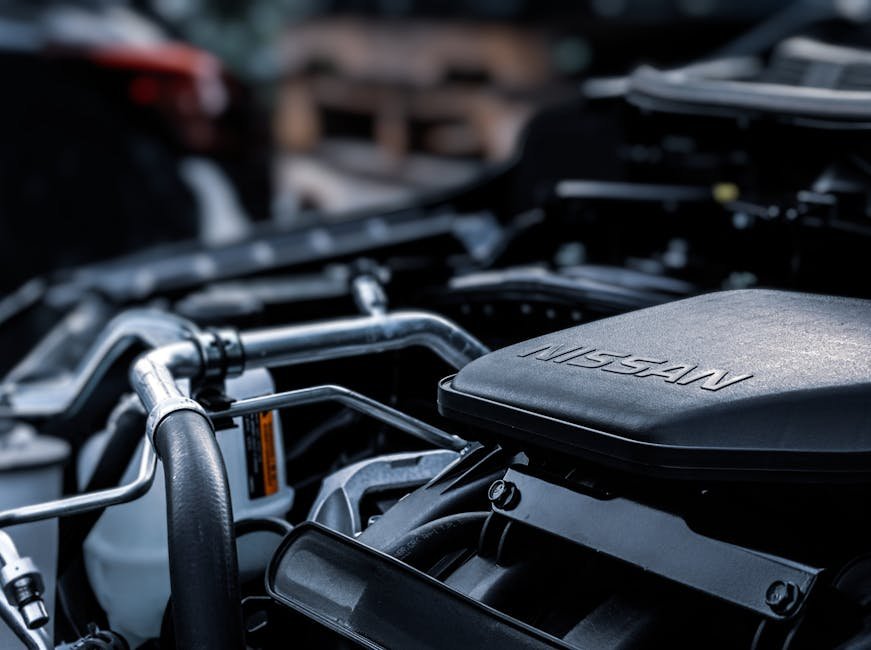
If your battery keeps dying, bring your vehicle to Norm’s Auto Clinic at 19 N. Broadway, Coweta, OK 74429 or call (918) 279-8100. We serve Coweta, Broken Arrow, Wagoner, Muskogee, and the Tulsa metro area. Don’t keep jump-starting a battery that keeps dying — find and fix the cause once.