
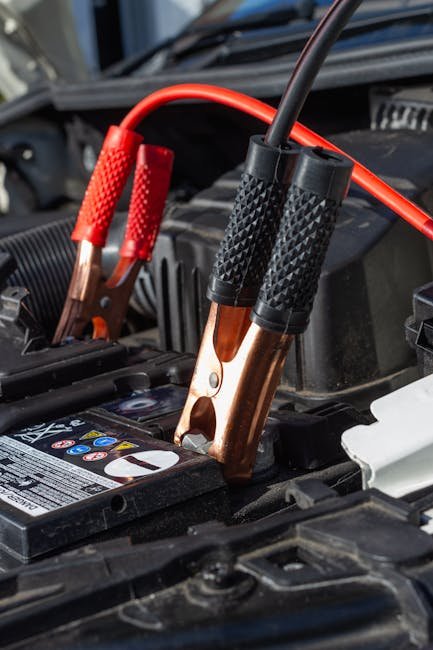
Car battery life varies significantly by climate — and Oklahoma is one of the toughest environments for batteries in the country. While a battery in Minnesota or Oregon might last 5–7 years, drivers in Coweta and the greater Tulsa area often find themselves replacing batteries every 3–4 years. Understanding why — and knowing when to test or replace your battery proactively — can save you from an inconvenient (or dangerous) roadside breakdown.
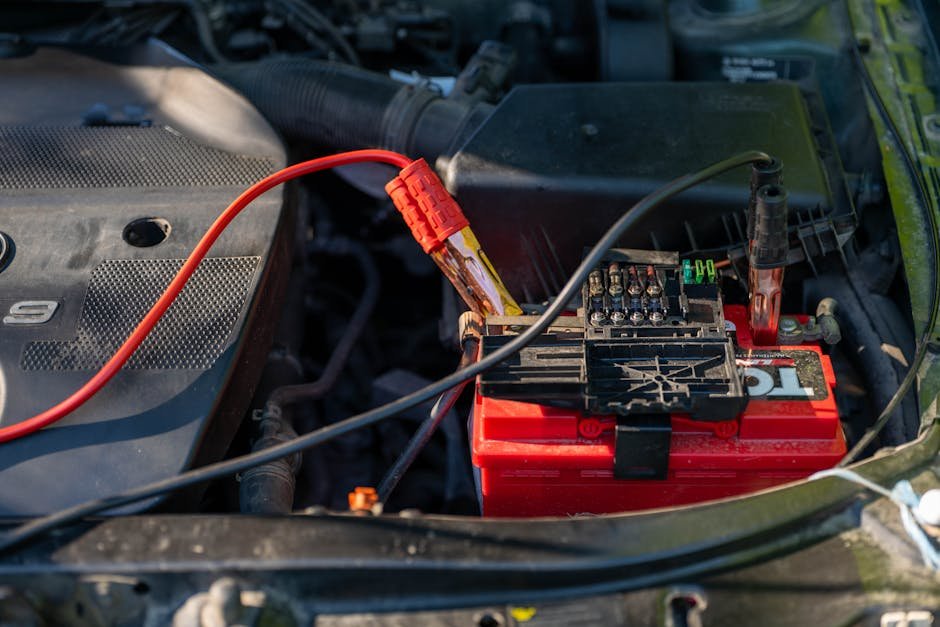
Average Car Battery Life in Oklahoma
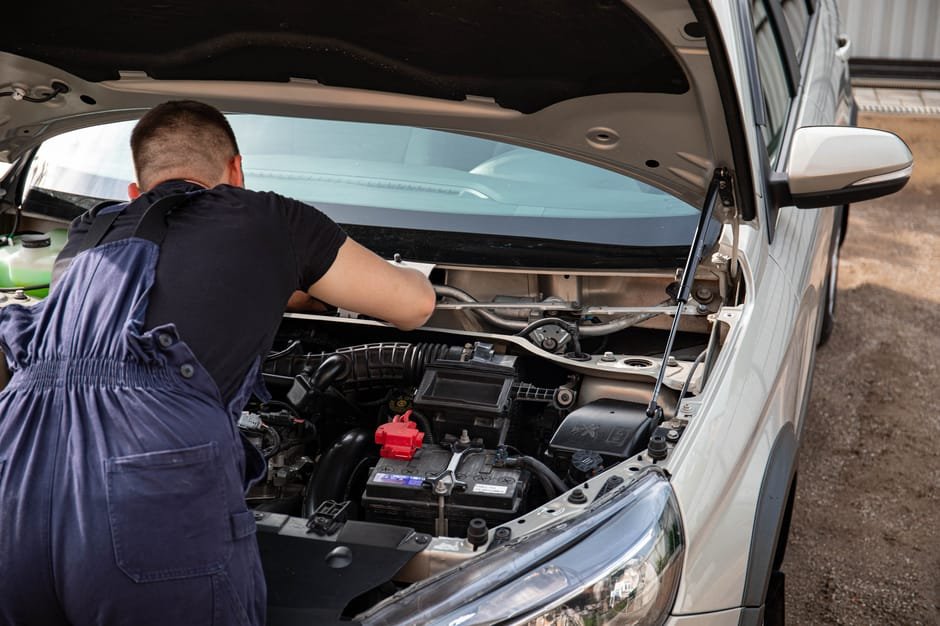
In Oklahoma’s climate, the realistic battery lifespan by type is:
- Standard flooded lead-acid battery: 3–4 years
- AGM (Absorbent Glass Mat) battery: 4–6 years
- Gel cell battery: 4–6 years
- EFB (Enhanced Flooded Battery): 3–5 years
These are averages — some batteries fail at 2 years, others last 6. The key factors that determine where your battery falls on this spectrum are heat exposure, how you drive, and battery quality.
Why Oklahoma Heat Kills Batteries Faster
Most people associate dead batteries with cold weather — and while cold does reduce a battery’s available power (which is why cold mornings reveal a weak battery), heat is the primary cause of battery degradation. Here’s why:
A car battery generates electricity through a chemical reaction between lead plates and sulfuric acid electrolyte. Heat accelerates this reaction — which sounds productive, but the downside is that it also accelerates corrosion of the internal plates, evaporates the electrolyte, and causes the battery to discharge and recharge more aggressively. Over time, this heat cycling destroys the internal plate structure and permanently reduces the battery’s capacity.
In Coweta and the Tulsa area, summer temperatures regularly hit 100–108°F. Underhood temperatures — where most batteries live — can exceed 150–180°F on hot summer days when the car is parked in direct sun. This is dramatically more punishing than even a severe northern winter.
Factors That Affect Battery Life
Driving Patterns
Short trips are particularly hard on batteries. When you drive for less than 15–20 minutes, the alternator may not have enough time to fully recharge the battery from the power used to start the engine. Over time, a battery that’s repeatedly partially discharged without full recharging develops sulfation — a buildup of sulfate crystals on the plates that permanently reduces capacity. If most of your driving is short trips around Coweta, your battery may age faster than the average.
Parasitic Draw
Modern vehicles have numerous systems that draw small amounts of current from the battery even when the car is off — the alarm system, keyless entry receiver, clock, and various computer modules. This is normal and designed to draw so little power that it doesn’t drain the battery over days of normal use. But if a module malfunctions and draws excessive current (parasitic draw), it can discharge a battery overnight and damage it through repeated deep discharge cycles.
Battery Quality
Not all batteries are equal. Premium batteries (Interstate, Optima, Odyssey, DieHard Platinum) use thicker plates, better separators, and higher-purity materials. They cost more but last longer in Oklahoma’s heat. Budget batteries may carry a 1-year warranty and fail within 2 years in our climate. We always install quality batteries at Norm’s Auto Clinic — the savings from a cheaper battery rarely offset the inconvenience of early failure.
Charging System Health
An alternator that overcharges the battery (voltage above 14.8V) accelerates degradation by gassing and overheating the battery. An undercharging alternator (voltage below 13.5V at highway speed) allows the battery to remain chronically undercharged. Either condition dramatically shortens battery life — which is why we check charging voltage whenever we install a new battery.
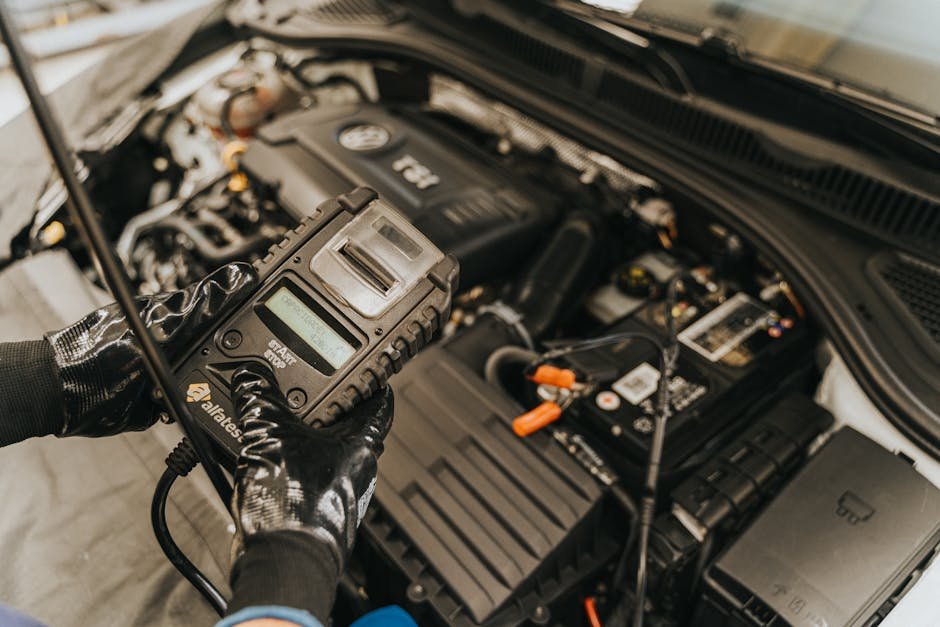
Warning Signs Your Battery Is Aging
- Slow engine crank: The starter turns over sluggishly, especially on warm mornings after the battery has discharged overnight.
- Age over 3 years: In Oklahoma, a battery past 3 years deserves annual testing even without symptoms.
- Swollen battery case: Caused by excessive heat — replace immediately.
- Visible corrosion on terminals: White or blue-green buildup at battery posts can impede electrical flow and indicates the battery may be gassing.
- Electrical gremlins: Dim lights, flickering dashboard, electronics that reset unexpectedly.
- Battery warning light: May indicate a charging system issue rather than the battery itself — have both tested.
How to Extend Battery Life in Oklahoma
- Park in the shade or a garage: Reducing underhood temperatures significantly slows heat degradation of the battery and other components.
- Take longer drives occasionally: If you primarily make short trips, an occasional 30+ minute highway drive fully recharges the battery and helps prevent sulfation.
- Use a battery maintainer if storing: Vehicles stored for weeks or months should be kept on a battery maintainer (trickle charger) to prevent deep discharge degradation.
- Have the battery tested annually: A battery load test after 3 years gives you objective data on remaining capacity, letting you plan a replacement before failure rather than after.
- Keep terminals clean: Corrosion on battery terminals increases resistance and causes the battery to work harder. Clean terminals with a wire brush and baking soda solution once a year.
When to Test vs. When to Replace

The decision tree is simple: test first, replace based on test results. A modern electronic battery tester measures the battery’s actual capacity and cold cranking amps, providing an objective pass/fail/replace recommendation. Don’t replace a battery that tests good — you might be chasing a charging system problem instead. Don’t keep a battery that tests at 50% capacity just because it hasn’t failed yet — in Oklahoma summer heat, that battery is a breakdown waiting to happen.
At Norm’s Auto Clinic in Coweta, we provide free battery and charging system testing. If you’ve had your battery for 3+ years or have any of the symptoms above, swing by 19 N. Broadway, Coweta, OK 74429 or call (918) 279-8100. A 5-minute battery test is far less disruptive than a roadside jump-start on a summer afternoon.