
Why Component Lifespan Matters for Oklahoma Drivers
Oklahoma’s climate puts unique demands on vehicle components. Scorching summers that regularly hit 100°F+ accelerate battery degradation, rubber deterioration, and coolant breakdown. Dust from rural gravel roads clogs filters faster. Spring severe weather means wipers and seals work harder.
Understanding how long your car’s parts are designed to last helps you anticipate repairs, budget for maintenance, and avoid being stranded or blindsided by an unexpected breakdown. The ranges below are general guidelines — your actual mileage may vary based on driving conditions, climate, and maintenance history.
At Norm’s Auto Clinic in Coweta, we see patterns in what fails at what mileage. This guide reflects real-world experience working on the vehicles Oklahoma drivers actually own.
 brake pads showing wear level” class=”wp-image-2768″ srcset=”https://www.normsautoclinic.com/wp-content/uploads/2026/05/car-parts-lifespan-guide-img1.jpg 940w, https://www.normsautoclinic.com/wp-content/uploads/2026/05/car-parts-lifespan-guide-img1-300×200.jpg 300w, https://www.normsautoclinic.com/wp-content/uploads/2026/05/car-parts-lifespan-guide-img1-768×512.jpg 768w” sizes=”auto, (max-width: 940px) 100vw, 940px” />
Engine and Drivetrain Components
- Engine oil: Conventional oil: 3,000–5,000 miles. Synthetic: 7,500–10,000 miles (follow your manufacturer’s interval).
- Spark plugs: Copper: 30,000–40,000 miles. Iridium/Platinum: 60,000–100,000 miles.
- Timing belt: 60,000–100,000 miles — replacement is critical. Failure destroys the engine on interference designs.
- Timing chain: Often lasts the life of the engine (150,000–300,000 miles) with proper oil changes.
- Serpentine belt: 60,000–100,000 miles. Replace proactively — failure leaves you stranded.
- Transmission fluid: Automatic: 30,000–60,000 miles (severe duty) or 60,000–100,000 miles (normal). CVT fluid: 30,000–60,000 miles.
- Air filter (engine): 15,000–30,000 miles. Oklahoma dust may require more frequent changes.
 car battery being tested and replaced in auto shop” class=”wp-image-2769″ srcset=”https://www.normsautoclinic.com/wp-content/uploads/2026/05/car-parts-lifespan-guide-img2.jpg 940w, https://www.normsautoclinic.com/wp-content/uploads/2026/05/car-parts-lifespan-guide-img2-300×200.jpg 300w, https://www.normsautoclinic.com/wp-content/uploads/2026/05/car-parts-lifespan-guide-img2-768×512.jpg 768w” sizes=”auto, (max-width: 940px) 100vw, 940px” />
Brakes and Suspension
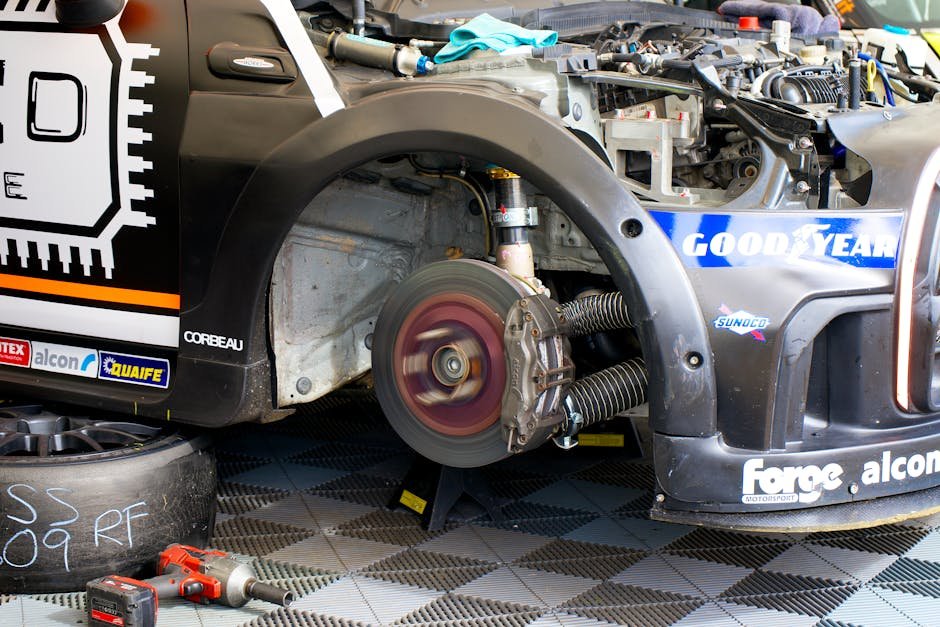
- Brake pads: 30,000–70,000 miles depending on driving style (city vs. highway, rotor quality).
- Brake rotors: 50,000–70,000 miles, but often replaced with pads if at minimum thickness.
- Brake fluid: Every 2–3 years regardless of mileage (absorbs moisture, lowering boiling point).
- Calipers: 75,000–100,000 miles. Seize earlier in salt-belt states (Oklahoma is relatively mild on this front).
- Shock absorbers / struts: 50,000–100,000 miles. Signs of failure: bouncing, nose-diving on braking, poor handling.
- Control arm bushings: 80,000–120,000 miles. Oklahoma’s rough roads can shorten this.
- Ball joints: 80,000–150,000 miles. Failure causes loss of steering control — inspect annually after 100K.
Tires, Wheels, and Steering
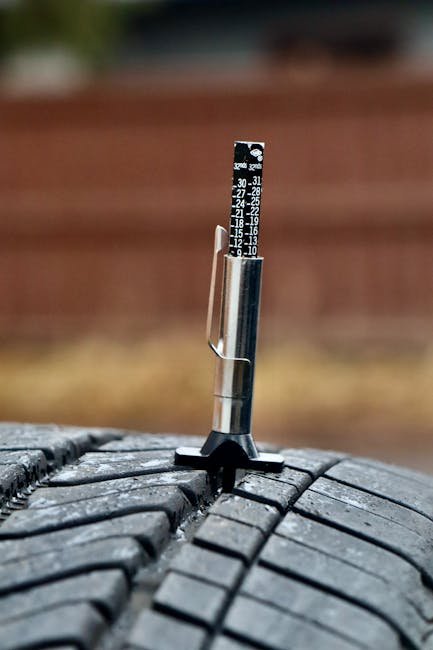
- Tires: 50,000-75,000 miles depending on tire grade. Replace at 2/32 inch tread depth minimum (Oklahoma wet-road safety recommends 4/32 inch).
- Tire rotation interval: Every 5,000–7,500 miles to equalize wear and maximize tire life.
- Wheel alignment: Check annually or whenever you hit a major pothole. Misalignment causes rapid, uneven tire wear.
- Power steering fluid: Every 50,000–75,000 miles, or when fluid appears dark or gritty.
- Tie rod ends: 70,000–100,000 miles. Causes steering wander if worn.
Cooling and Electrical Systems
- Engine coolant: OAT (orange) coolant: every 5 years or 150,000 miles. HOAT: every 5 years or 100,000 miles. Green: every 2 years.
- Radiator hoses: 50,000–100,000 miles. Squeeze them — soft/spongy means replacement soon.
- Thermostat: 100,000 miles or when overheating/slow warm-up issues appear.
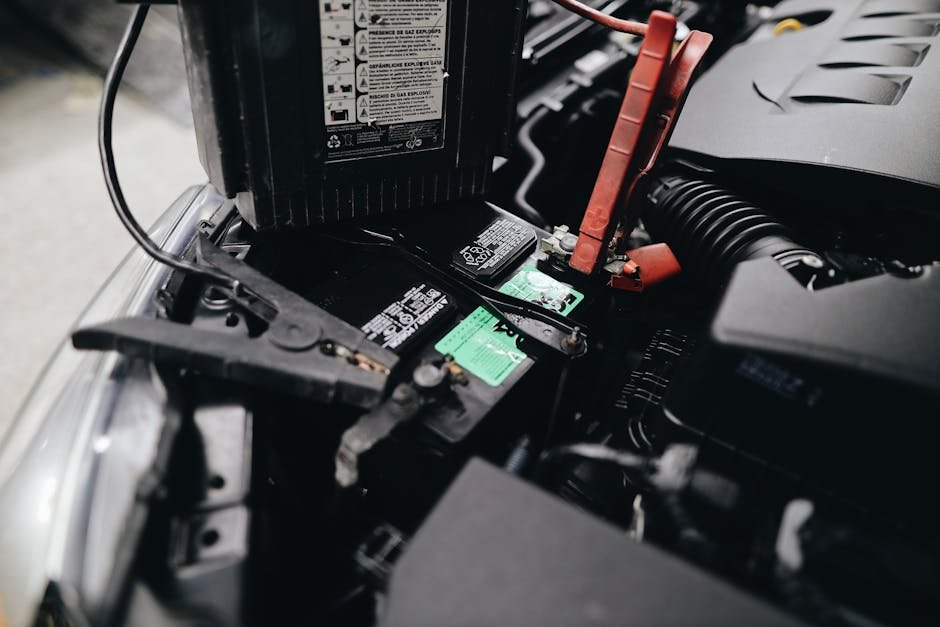
- Car battery: 3–5 years in Oklahoma. Heat dramatically shortens battery life versus northern climates.
- Alternator: 80,000–150,000 miles. Symptoms of failure: dimming lights, battery light on.
- Starter motor: 100,000–150,000 miles. Hard starts, grinding, or clicking indicate wear.
Fluids and Filters
- Cabin air filter: 15,000–25,000 miles. Oklahoma pollen season may require annual changes.
- Fuel filter (inline): 30,000–40,000 miles on older vehicles. Many modern vehicles have lifetime filters.
- Differential fluid: 30,000–60,000 miles for 4WD/AWD vehicles (check service manual).
- Transfer case fluid: 30,000–60,000 miles on 4WD trucks. Often overlooked.
- Power steering fluid: Check annually; full flush every 50,000–75,000 miles.
- Windshield washer fluid: Refill as needed. Use a freeze-resistant formula in winter.
Body and Interior Components
- Windshield wipers: 6–12 months. Oklahoma UV exposure degrades rubber faster than most climates.
- Headlight bulbs (halogen): 500–1,000 hours of use. LED headlights can last 20,000+ hours.
- Serpentine belt tensioner: Replace with serpentine belt (or at 100,000 miles).
- Oxygen sensors: 80,000–100,000 miles. Worn sensors hurt fuel economy and trigger the CEL.
- Catalytic converter: 100,000–150,000 miles under normal conditions. Contamination by oil or coolant shortens life dramatically.
Build a Proactive Maintenance Schedule
The best way to maximize component lifespan is to follow a mileage-based maintenance schedule. Keep a simple log in your glove box noting when each service was last performed and when it’s next due.
At Norm’s Auto Clinic, we perform a complimentary multi-point inspection with every service appointment. We’ll flag anything approaching end-of-life and help you prioritize repairs by urgency — so you can plan your budget without being surprised.
Serving Coweta, Broken Arrow, Wagoner, and the greater Tulsa metro area. Call (918) 279-8100 or stop by 19 N. Broadway to schedule your next service appointment.