

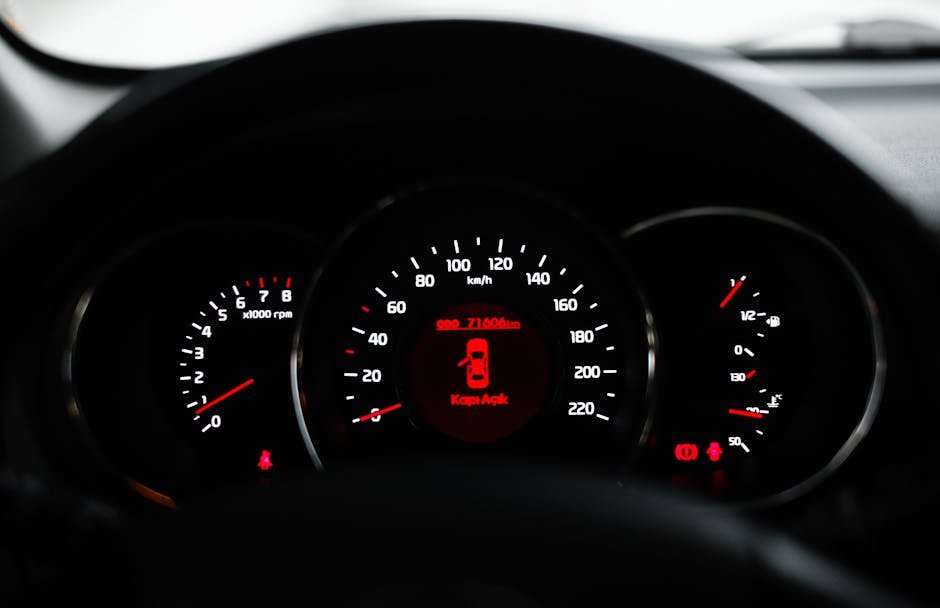
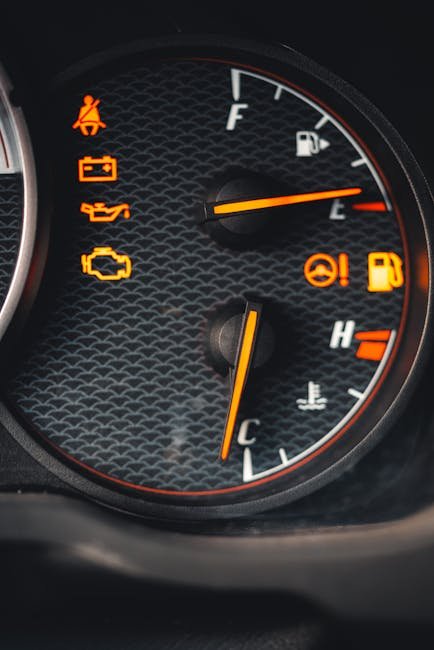
Your check engine light comes on, and your stomach drops. Is it something minor or a sign your engine is about to fail? The truth is, the check engine light can mean dozens of different things — from a loose gas cap to a misfiring cylinder. What matters most is reading the code it sets, understanding what that code means, and knowing what to do next. At Norm’s Auto Clinic in Coweta, Oklahoma, we explain exactly what’s happening before we ever start a repair.
How Check Engine Light Codes Work
When your vehicle’s onboard computer (the ECU or PCM) detects a fault in an emission-related system, it stores a Diagnostic Trouble Code — a DTC — and illuminates the check engine light. These codes follow a standardized format called OBD-II (On-Board Diagnostics, second generation), which all vehicles sold in the United States since 1996 must use.
Each code has five characters: a letter followed by four digits. The letter indicates the system: P (Powertrain), B (Body), C (Chassis), or U (Network). The first digit is 0 for generic/universal codes or 1 for manufacturer-specific codes. The remaining three digits identify the specific fault.
Example: P0301 = Powertrain (P), Generic (0), Cylinder 1 misfire (301).
Most Common Check Engine Light Code Categories
P0XXX — Powertrain/Engine Codes
The most common category. These cover the engine, transmission, fuel system, and emissions. Common sub-ranges include:
- P0100–P0199: Mass airflow, oxygen sensor, and intake air temperature circuits
- P0200–P0299: Fuel injector and fuel delivery circuits
- P0300–P0399: Misfire codes (P0300 = random, P0301–P0308 = cylinder-specific)
- P0400–P0499: Exhaust gas recirculation (EGR) and evaporative emission (EVAP) systems
- P0420–P0430: Catalytic converter efficiency codes — extremely common
- P0500–P0599: Vehicle speed sensor and idle control circuits
- P0600–P0699: PCM/ECU internal errors and communication faults
- P0700–P0799: Transmission control system faults
Solid Light vs Flashing Light — Critical Difference
A solid check engine light means a fault has been detected and stored. The vehicle may still be drivable, but you should get it diagnosed soon — within a day or two at most.
A flashing or blinking check engine light indicates an active misfire severe enough to damage the catalytic converter. This is a serious condition requiring immediate attention. Continuing to drive with a flashing check engine light can cause ,500–,000 in catalytic converter damage on top of whatever caused the misfire. Pull over safely and call for service.
Why a Code Reader Alone Isn’t Enough
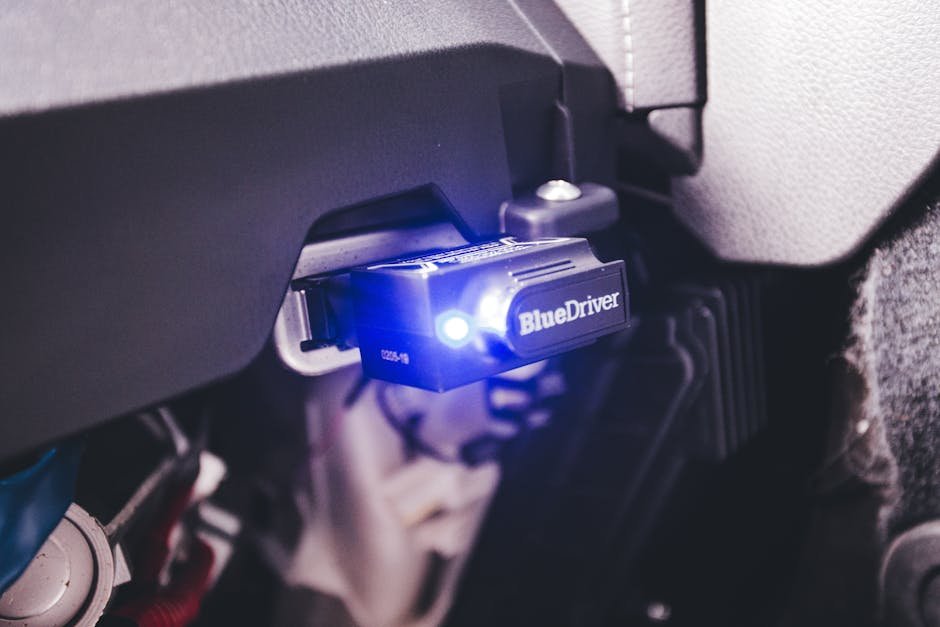
Auto parts stores offer free code reads with a basic scanner, and consumer OBD-II readers are available for –. These tools tell you the code number, but they don’t tell you why the code is set — or whether the code is actually the root cause of your problem.
For example, an oxygen sensor code (P0141, P0161, etc.) might mean the O2 sensor has failed — or it might mean the sensor is reading correctly and reporting a real problem in the exhaust or fuel system. Replacing the O2 sensor without diagnosing why it’s reporting a fault often results in the code returning within days.
Professional diagnostics at Norm’s Auto Clinic goes beyond code reading. We use factory-level scan tools that access live sensor data, freeze frame data (what the vehicle was doing when the code set), and manufacturer-specific enhanced diagnostics not available on generic readers. We diagnose the cause — not just the code.
What Happens During a Professional Diagnostic at Norm’s
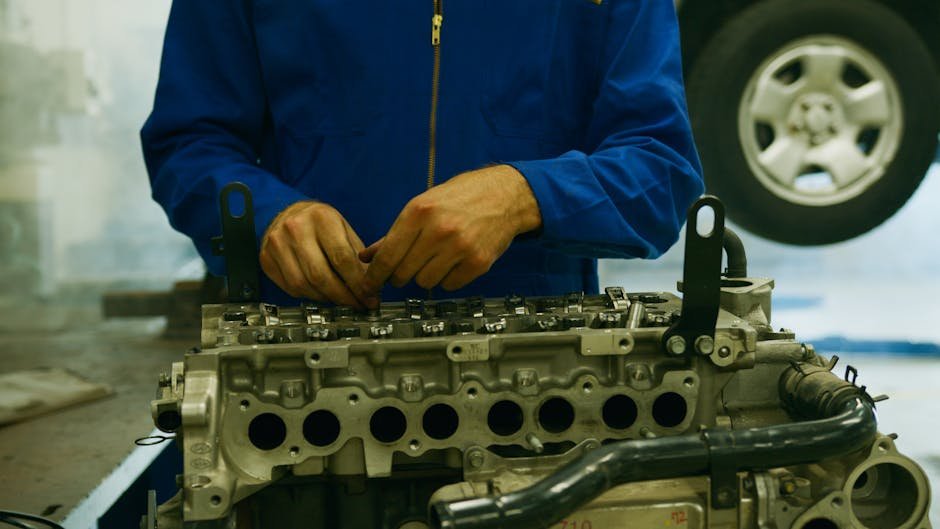
When you bring your vehicle to Norm’s Auto Clinic in Coweta with a check engine light, here’s what we do:
- Initial scan: Read all stored DTCs, pending codes, and freeze frame data
- Visual inspection: Check obvious causes — vacuum leaks, disconnected sensors, loose gas cap, wiring damage
- Live data analysis: Review sensor readings in real time to identify abnormal values
- Component testing: Test specific components implicated by the code (fuel pressure, injector pulse, sensor output)
- Diagnosis confirmation: Confirm root cause before recommending any repair
- Written estimate: Provide a clear explanation and written quote before touching anything
Can Clearing the Code Make It Go Away?
Yes — temporarily. Clearing a code with a scanner turns off the check engine light. But if the underlying problem isn’t fixed, the code will return, usually within a short drive cycle. Clearing codes without repairing the cause is a temporary cosmetic fix, not a solution.
Additionally: if a vehicle is taken to a state emissions inspection within a certain number of drive cycles after clearing codes, the monitors may not be complete, and the vehicle will fail the inspection — even if the codes don’t immediately return. This is a common gotcha for people who clear codes before a scheduled inspection.
Schedule Your Diagnostic at Norm’s Auto Clinic
If your check engine light is on — solid or flashing — bring your vehicle to Norm’s Auto Clinic at 19 N. Broadway, Coweta, OK 74429. We’ll give you straight answers about what the code means, what caused it, and what it will cost to fix. No guessing, no unnecessary upselling. Call us at (918) 279-8100 — we serve Coweta, Broken Arrow, Wagoner, Muskogee, and the greater Tulsa area.