
Modern vehicles are rolling computers. Dozens of electronic modules, hundreds of feet of wiring, and thousands of sensors and actuators work together every time you drive. When something goes wrong with this system, the symptoms can be baffling — flickering lights, strange dashboard behavior, windows that move on their own, or a car that simply won’t start. At Norm’s Auto Clinic in Coweta, Oklahoma, we diagnose automotive electrical problems every day. Here are the 8 most common car electrical problems and what causes them.
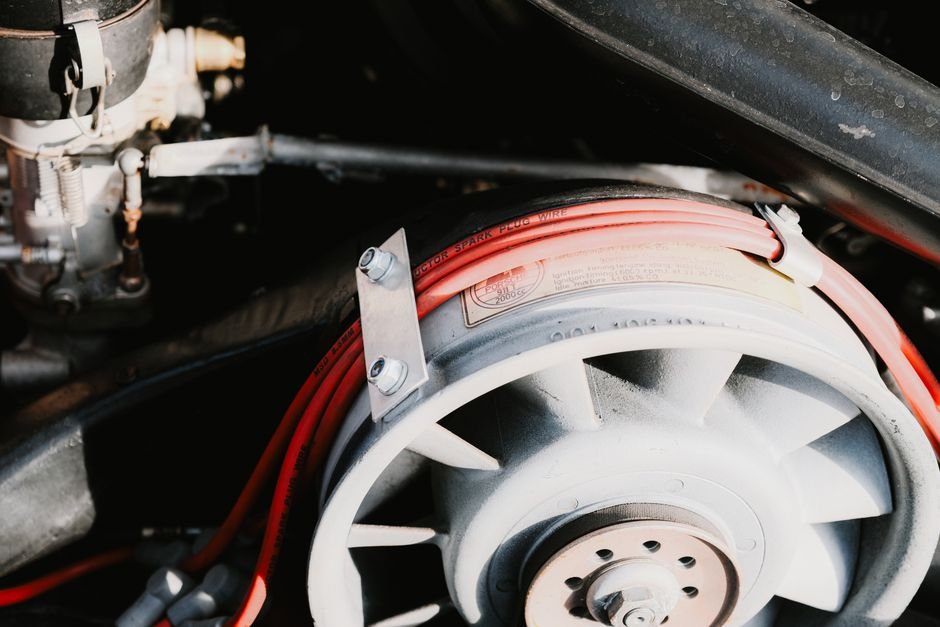
1. Dead or Weak Battery
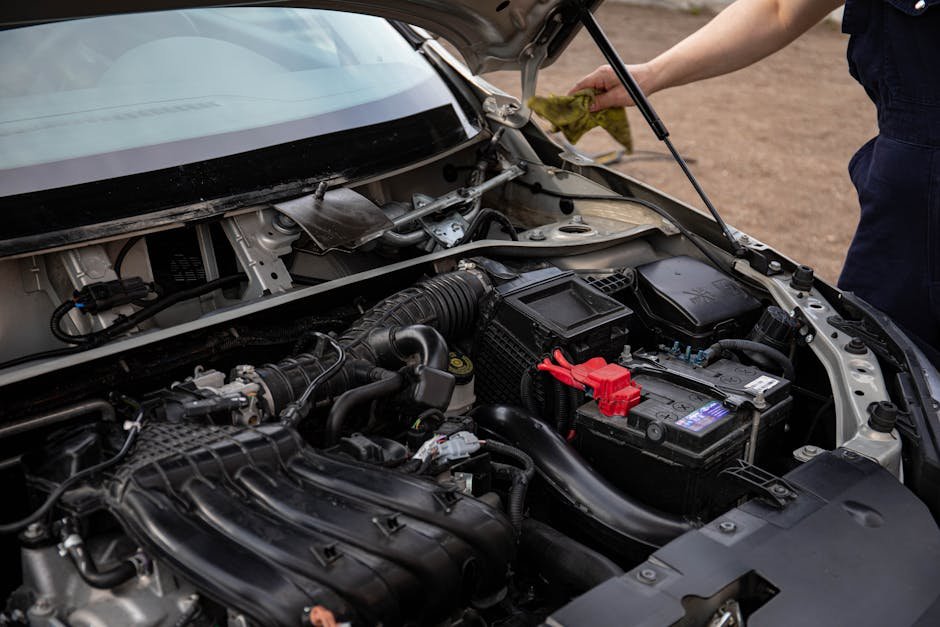
The most common electrical complaint is a vehicle that won’t start — and in most cases, a failed or discharged battery is the culprit. In Oklahoma’s heat, batteries age faster than in cooler climates and typically need replacement every 3–4 years. Symptoms include slow cranking on startup, a clicking sound when turning the key, or no response at all. We covered battery testing and replacement in detail in our car battery replacement cost guide — always test the battery before replacing other components.
2. Faulty Alternator
The alternator charges the battery while the engine runs. A failing alternator produces symptoms that are easy to confuse with a battery problem: battery warning light illuminated, lights dimming while driving, electrical accessories behaving erratically, and a car that starts fine but dies within 20–30 minutes. The key distinction: a bad alternator causes the car to die while driving; a bad battery prevents starting. Measuring charging voltage at the battery (should be 13.5–14.7V with the engine running) immediately reveals whether the alternator is working.
3. Blown Fuses
Fuses protect electrical circuits by breaking (blowing) when current exceeds a safe level. A blown fuse causes a specific system to stop working entirely — the radio goes silent, the power windows stop moving, the brake lights disappear. The fix is straightforward: replace the blown fuse. But if the new fuse blows immediately, there’s a short circuit in that system that needs diagnosis. Never install a higher-amp fuse to bypass a blown one — this defeats the protection and risks damaging wiring or starting a fire.
4. Bad Ground Connections
Electrical current flows from the battery through a circuit and returns to the battery through ground connections — metal straps and bolts that connect components to the vehicle’s body and engine. When a ground connection corrodes, loosens, or breaks, the affected circuits malfunction in strange ways: interior lights that flicker, gauges that read incorrectly, accessories that only work sometimes, or a vehicle that cranks but won’t start despite a good battery. Bad grounds are notoriously difficult to diagnose without experience because the symptoms are so inconsistent. Checking and cleaning battery ground cables and body grounds is an early step in any complex electrical diagnosis.
5. Parasitic Battery Drain
A battery that’s dead every morning despite a healthy alternator almost always has a parasitic drain — a circuit drawing excessive current from the battery while the car is parked. Common sources include a malfunctioning body control module, a relay stuck in the on position, an aftermarket accessory (dashcam, audio amp, GPS tracker) wired to constant power, or a door switch that isn’t telling the car the door is closed. Diagnosing parasitic drain requires a milliamp meter, patience, and systematic fuse-pulling to isolate the offending circuit.
6. Faulty Sensors and Modules
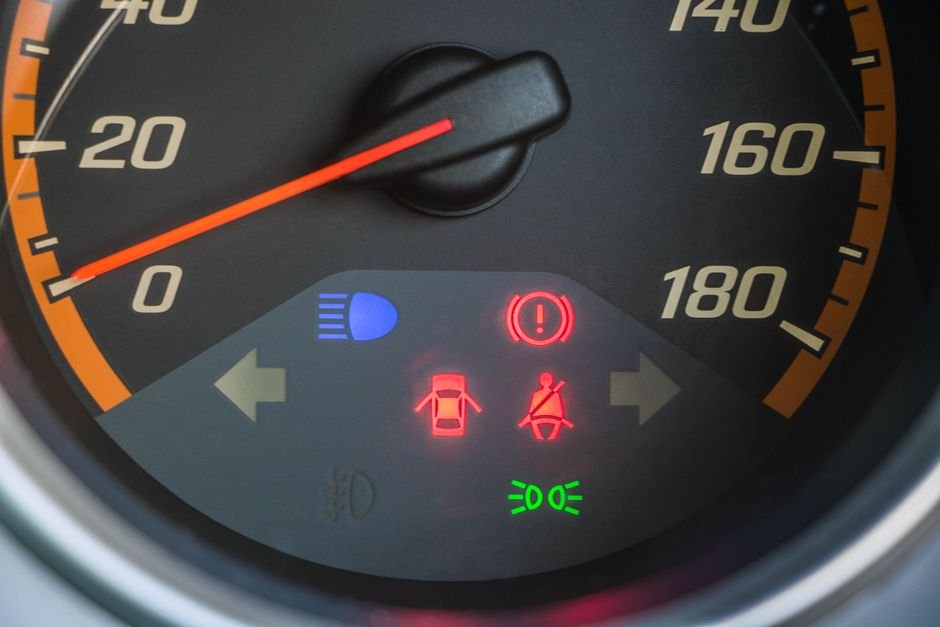
Modern vehicles have oxygen sensors, mass airflow sensors, crankshaft position sensors, throttle position sensors, ABS wheel speed sensors, and dozens more. When a sensor fails or sends incorrect data, the engine control module compensates incorrectly — leading to rough running, poor fuel economy, failed emissions tests, and often a check engine light with a specific fault code. Reading and interpreting OBD-II fault codes is the starting point, but experienced technicians know that a code identifies the affected system, not necessarily the failed component. A P0171 lean code, for example, could indicate a failed MAF sensor, a vacuum leak, a failing fuel pump, or several other causes.
7. Wiring Harness Damage
Wiring harness damage from rodents is surprisingly common in Oklahoma — mice and other rodents nest in engine bays and chew through wiring insulation. This causes short circuits, open circuits, and intermittent faults that are extremely difficult to trace. Vehicles stored in rural areas of Wagoner County or Coweta, or parked near fields, are particularly vulnerable. Beyond rodents, wiring can be damaged by heat (from contact with exhaust components), abrasion (where wires rub against metal edges), and moisture intrusion into connectors. Symptoms vary widely depending on which circuits are affected.
8. Starter Motor Problems
The starter motor draws more current than any other component during engine cranking. Starter failures are usually audible — a single loud click with no cranking, a grinding sound, or a whirring noise without the engine turning over. Starter problems are often confused with battery problems, but the key distinction is that a single loud click with a fully charged battery points to a starter or solenoid fault, not the battery. We cover the full range of starter sounds and symptoms in our guide on starter motor problems.
Electrical Diagnosis at Norm’s Auto Clinic
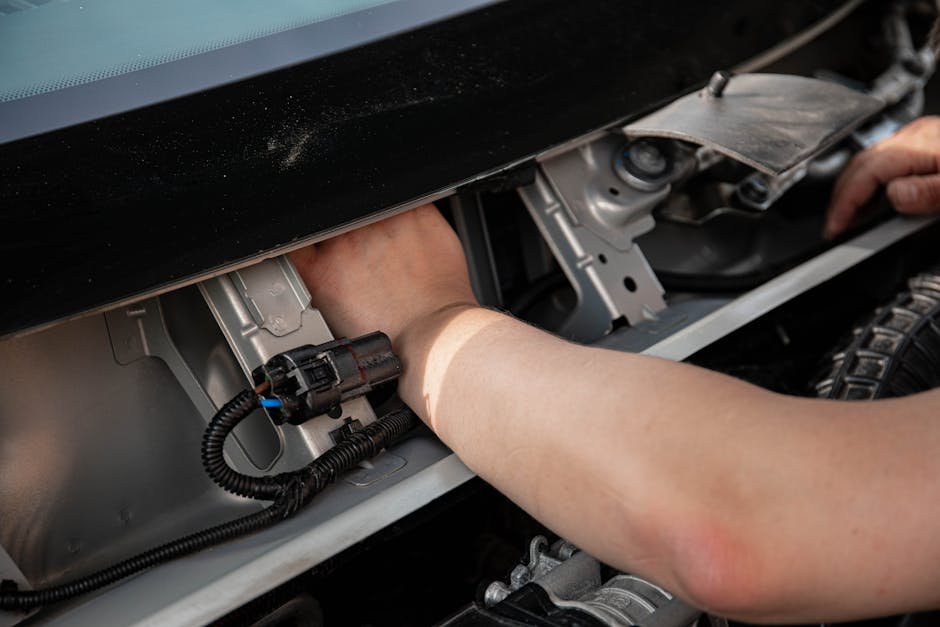
Automotive electrical diagnosis requires professional-grade scan tools, wiring diagrams, oscilloscopes for signal analysis, and the experience to interpret what the data means. We invest in the right equipment and training to handle modern vehicle electrical systems across all makes and models — from domestic trucks to European luxury vehicles.
If you’re experiencing any of the electrical symptoms above, bring your vehicle to Norm’s Auto Clinic at 19 N. Broadway, Coweta, OK 74429, or call (918) 279-8100. We serve Coweta, Broken Arrow, Wagoner, Muskogee, and the Tulsa metro area.