
You call a repair shop to ask about a problem with your car. They tell you there’s a diagnostic fee — anywhere from to — before they’ll tell you what’s wrong. You pause. Is this legitimate? Should you pay it? Can you shop around for a shop that doesn’t charge it? These are fair questions, and this guide gives you straight answers.
What Is a Diagnostic Fee?

A diagnostic fee is a charge for the time and expertise required to identify what’s wrong with your vehicle. It’s distinct from repair cost. Diagnosis is a billable service — the same way a doctor charges for an office visit before prescribing treatment, or a plumber charges for an assessment before quoting a pipe replacement.
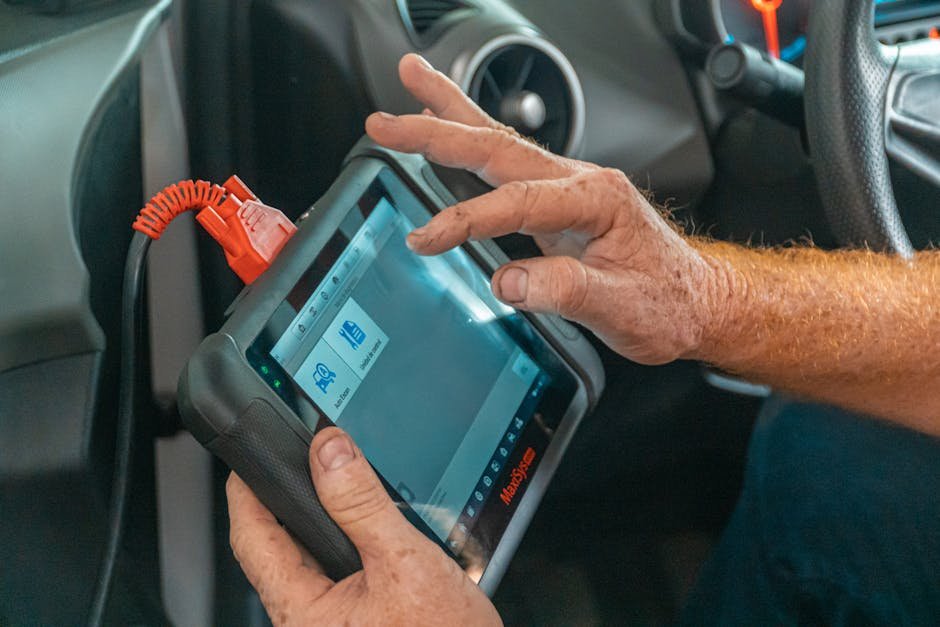
At modern repair shops, diagnosis involves more than plugging in a code reader and reading a fault code. A proper diagnostic process for a drivability concern, electrical issue, or intermittent problem can include:
- OBD-II scan to retrieve current and pending fault codes
- Live data analysis — watching sensor readings in real time while driving or idling
- Visual inspection of the affected system
- Component testing (fuel pressure, cylinder compression, injector balance)
- Wiring diagram research and circuit testing
- Technical Service Bulletin (TSB) research for known issues on your specific vehicle
For complex or intermittent problems, a technician might spend 1–2 hours before arriving at a confident diagnosis. Diagnostic fees reflect real labor costs.
Is a Diagnostic Fee Legitimate?
Yes — a diagnostic fee is a legitimate business practice and a sign of a professional shop. The alternative — “free diagnostics” — is almost always marketing for “free code read,” not a real diagnosis. Reading a code from an OBD-II port takes 60 seconds; actual diagnosis takes much longer.
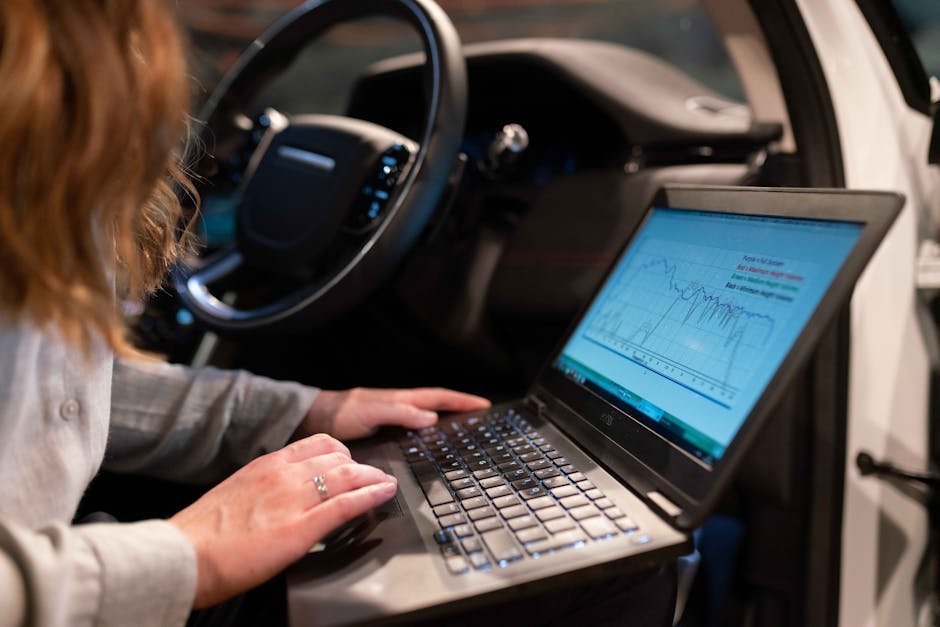
Free code reading is available at many auto parts stores (AutoZone, O’Reilly, Advance Auto). What it gives you is a fault code — for example, P0420 (catalytic converter efficiency). What it doesn’t tell you is whether the code is caused by a failing catalytic converter, an oxygen sensor fault, an exhaust leak, or an engine running condition. That’s diagnosis, and diagnosis takes expertise and time.
When Should the Diagnostic Fee Be Credited?
Most reputable shops — including Norm’s Auto Clinic in Coweta — apply the diagnostic fee as a credit toward the repair if you authorize the work. This is standard industry practice. If you bring in your vehicle for a check engine light diagnosis at and then authorize a repair that costs , your invoice should show the diagnostic fee credited against the repair total.
Always ask upfront: “Is your diagnostic fee credited toward the repair if I authorize the work?” If the answer is no, clarify why — some shops charge a separate diagnosis and repair for legitimate reasons, but this should be disclosed before the work begins.
When You Should Pay a Diagnostic Fee
- Check engine light is on and you don’t know why
- Your vehicle has an intermittent problem (stalling, hesitation, no-start)
- You have an electrical issue (shorts, lighting problems, instrument cluster errors)
- A previous repair shop couldn’t identify the problem
- Your vehicle exhibits symptoms that don’t have an obvious mechanical cause
When You Can Skip the Diagnostic Fee

For obvious mechanical failures — brakes grinding, tire flat, oil dripping from a clearly visible location, serpentine belt broken — diagnosis is straightforward and some shops won’t charge a separate fee. Ask upfront for your specific situation.
At Norm’s Auto Clinic, our diagnostic fees are fair, disclosed upfront, and credited toward your repair. We believe in transparent pricing at every step. Questions about our diagnostic process? Call us at (918) 279-8100 or visit us at 19 N. Broadway, Coweta, OK 74429.