
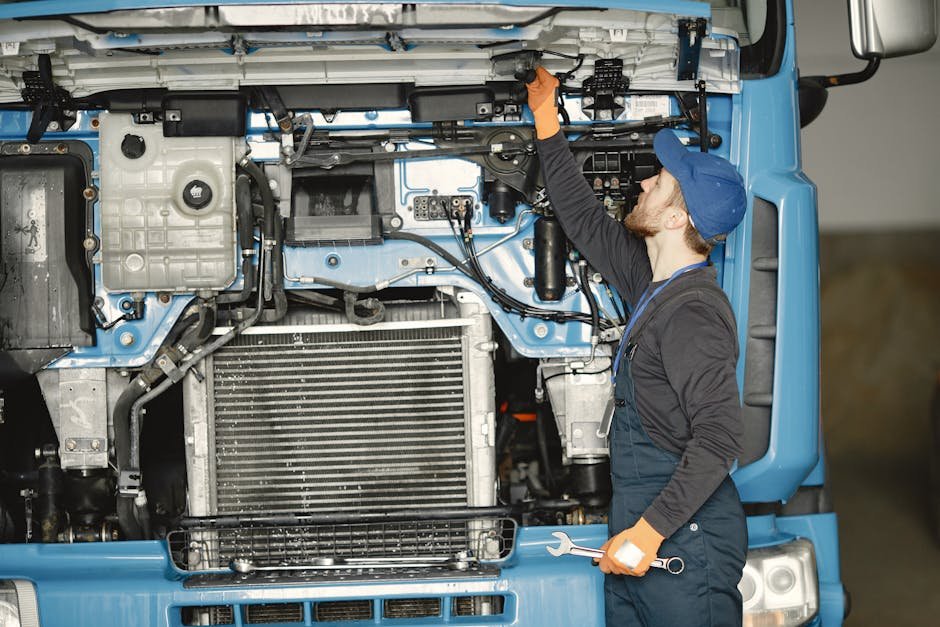
Diesel trucks are workhorses — and in rural Oklahoma, where towing heavy equipment, hauling livestock, and covering serious miles is everyday life, a diesel truck is often a necessity. But diesel engines have specific maintenance requirements that differ significantly from gasoline engines. At Norm’s Auto Clinic in Coweta, we service diesel trucks for farmers, contractors, and workers throughout Wagoner County and Eastern Oklahoma.

Diesel-Specific Maintenance Items

Diesel Engine Oil — What’s Different
Diesel engine oil is a completely different specification from gasoline engine oil. Never use standard gasoline-rated oil in a diesel — it lacks the additives needed to handle diesel combustion byproducts, soot, and blow-by. The most important specification to know:
- API rating: Look for CK-4 (current standard) or CJ-4 for older trucks. Never use CI-4 or older ratings in modern diesel engines.
- Viscosity: Most diesel trucks use 15W-40 in normal conditions; 5W-40 in cold weather. Some light-duty diesels (Chevy 2.8L Colorado, Ram EcoDiesel, F-150 PowerStroke) use lighter-weight synthetic diesel oil — check your owner’s manual.
- Change interval: Most heavy-duty diesel trucks (Powerstroke, Duramax, Cummins) call for 7,500–10,000 miles. In severe service (towing, dusty conditions), shorten to 5,000–7,500 miles.
Diesel Fuel Filters — The Most Important Diesel Service
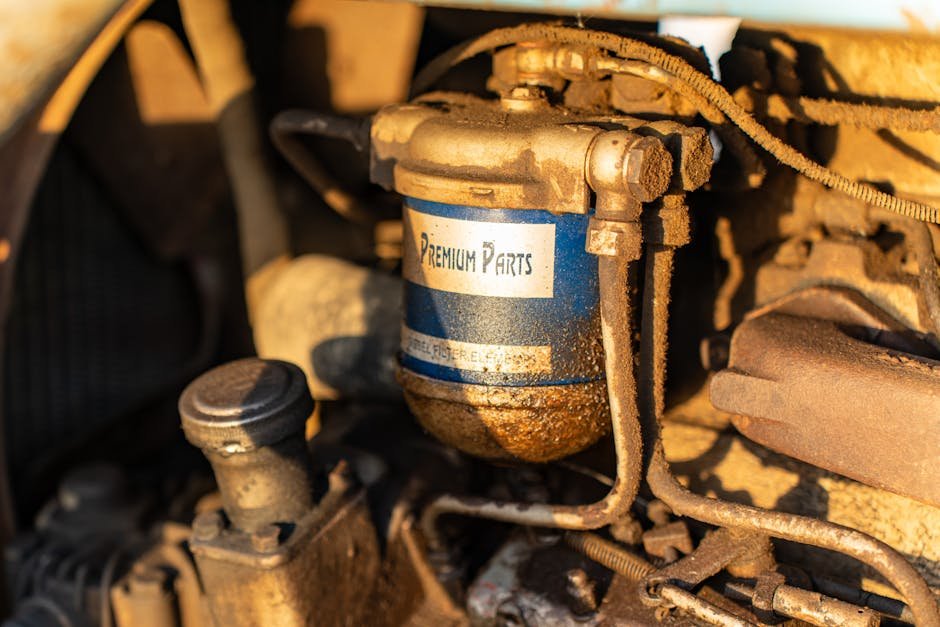
Diesel fuel system cleanliness is critical — the high-pressure injection pumps and injectors operate at pressures of 20,000–30,000 PSI and are damaged by water and particulate contamination. Fuel filter replacement is the single most important diesel-specific service item:
- 6.7L Ford PowerStroke: Primary and secondary fuel filters every 10,000–15,000 miles
- 6.6L Duramax (GM): Fuel filter every 15,000–22,500 miles (check water-in-fuel indicator frequently)
- 6.7L Cummins (Ram): Fuel filter every 15,000–25,000 miles
- Light-duty diesels (2.8L, 3.0L): Fuel filter every 15,000–20,000 miles
DEF (Diesel Exhaust Fluid) — What You Need to Know
All diesel trucks sold in the US after 2010 use Selective Catalytic Reduction (SCR) to reduce NOx emissions. DEF (32.5% urea in water) is injected into the exhaust stream. DEF consumption is approximately 2–3% of diesel fuel consumption.
- Never let the DEF tank run empty — the engine will derate (reduce power) and eventually limit speed to 5 mph
- Store DEF in original sealed containers — it degrades from UV exposure and extreme heat
- Oklahoma summer heat (over 95°F) accelerates DEF degradation in storage — buy in smaller quantities and use within 1–2 months
- If the DEF system has a fault (crystallization, sensor failure), the truck will throw DEF warnings before entering derate mode
EGR and DPF Maintenance
Modern diesel emissions equipment includes the EGR (Exhaust Gas Recirculation) system and DPF (Diesel Particulate Filter). Both require periodic maintenance:
- DPF regeneration: The DPF burns collected soot during highway driving. Short-trip, low-speed driving prevents regen from completing — the DPF can become excessively loaded. If the DPF light illuminates, take the truck for a 20-minute highway drive to allow active regen.
- EGR system cleaning: Carbon buildup in the EGR cooler and valve causes reduced power and potential overheating. Cleaning every 100,000 miles is preventive maintenance for high-mileage diesel trucks.
Diesel Truck Service in Coweta, Oklahoma
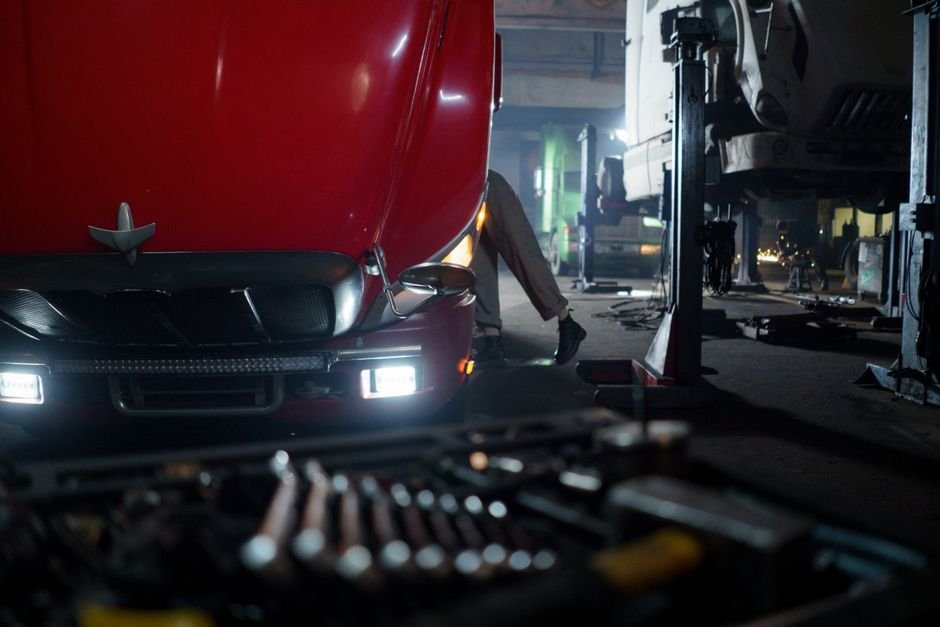
Norm’s Auto Clinic in Coweta services diesel trucks for farmers, contractors, and workers throughout Eastern Oklahoma. We handle fuel filter changes, DEF system service, EGR cleaning, and complete diesel diagnostics for PowerStroke, Duramax, and Cummins trucks. Located at 19 N. Broadway, Coweta, OK 74429. Call (918) 279-8100.