

If you’ve ever looked at your oil dipstick and wondered how black, gritty motor oil could possibly be protecting anything — you’re asking the right question. Understanding what happens to oil as it works (and why dark color isn’t necessarily a problem, but other changes are) helps you make better decisions about when to change it and what to watch for between changes.

Why Oil Gets Dark

Fresh engine oil is amber or honey-colored. It darkens quickly — sometimes within the first 1,000 miles. This darkening happens because oil is doing exactly what it’s supposed to do: keeping engine surfaces clean by suspending combustion soot, carbon particles, and wear debris in solution rather than letting them deposit on engine surfaces.
Dark oil is not automatically bad oil. Conventional oil that has darkened but is still within its service interval is providing protection. The problem isn’t color alone — it’s the combination of color, texture, smell, and service history that indicates whether oil needs changing.
What Actually Matters When Checking Oil
- Level — Most important. Low oil causes real damage. Check monthly; add if below the minimum mark.
- Texture — Rub between fingers. Fresh oil feels slippery and smooth. Oil past its life feels gritty (wear particles), or has a grainy paste consistency (sludge beginning). Either is a change-now signal.
- Consistency — If oil on the dipstick looks thick or paste-like rather than liquid, it’s overdue. If it looks milky or foamy, you may have a coolant leak into the engine — a serious problem requiring immediate diagnosis.
- Smell — Burned oil has a distinctive acrid smell. Fresh oil has a neutral petroleum smell. If your oil smells strongly of gasoline (fuel contamination from a rich-running engine or internal fuel leak), it needs immediate changing and the fuel contamination source investigated.
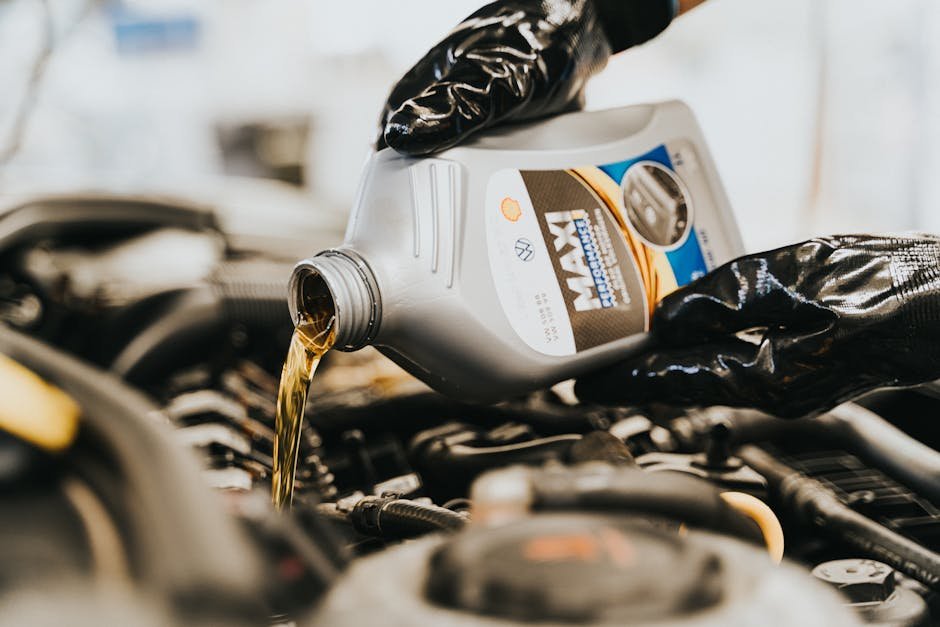
Why Your Synthetic Oil Looks Dark Faster

Counterintuitively, high-quality synthetic oils often appear darker sooner than conventional oil because they’re better at cleaning — they suspend more particles in solution rather than letting them deposit. If you switched to synthetic and your oil looks dark at 3,000 miles, it’s probably just doing a better job. That said, synthetic oil should still be changed per your vehicle’s specification — don’t extend the interval indefinitely just because the oil looks “okay.”
Any questions about your oil? We’re happy to check your oil at no charge at Norm’s Auto Clinic — 19 N. Broadway, Coweta, OK 74429. Call (918) 279-8100.