
It’s one of the most common questions we hear at Norm’s Auto Clinic: “My check engine light just came on — is it safe to keep driving?” The honest answer is: it depends. Some check engine lights indicate minor issues that won’t leave you stranded. Others signal conditions that can cause serious engine or catalytic converter damage within minutes if you keep driving. Here’s how to tell the difference.
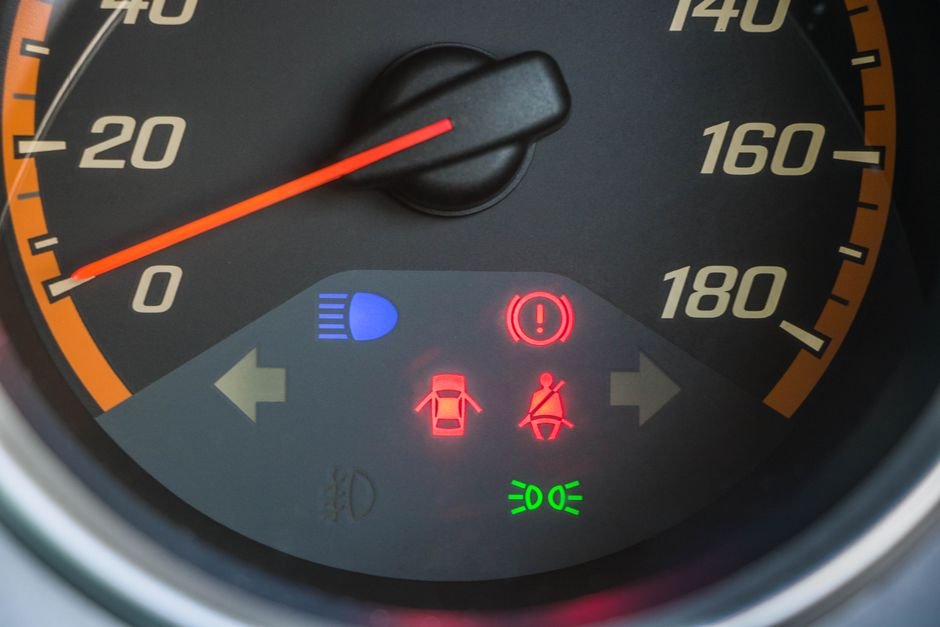
The Critical Difference: Solid vs Flashing
Before anything else, look at how your check engine light is behaving:
Solid Check Engine Light
A steady, non-blinking check engine light means the vehicle’s computer has stored a fault code and detected a problem — but it’s not immediately catastrophic. The vehicle is likely still drivable in most cases, though you should get it diagnosed soon (within a day or two).
Common causes of a steady check engine light include: a loose gas cap, a failing oxygen sensor, an EVAP system leak, a thermostat fault, or a catalytic converter efficiency code. Many of these don’t cause immediate drivability issues, though they can cause long-term damage if ignored.
Flashing or Blinking Check Engine Light — STOP DRIVING
A flashing check engine light is a completely different situation. It indicates an active engine misfire that is severe enough to push unburned fuel into the exhaust system. This superheats the catalytic converter and can destroy it within minutes of driving. A catalytic converter replacement typically costs –,500 or more depending on the vehicle.
If your check engine light is flashing: safely reduce speed and pull off the road as soon as possible. Do not continue driving to your destination. Call Norm‘s Auto Clinic at (918) 279-8100 — we can advise you on next steps or arrange towing.
When a Solid Light Still Means: Stop Now
Even a steady check engine light is a “stop immediately” situation if it’s accompanied by any of these:
- Temperature gauge rising into the red: Engine overheating can destroy cylinder heads and warp engine blocks within minutes. Pull over immediately.
- Oil pressure warning light also on: Low oil pressure means immediate engine damage risk. Stop the engine as soon as safely possible.
- Loss of power, severe stumbling, or stalling: These drivability symptoms combined with a check engine light suggest a serious underlying problem.
- Smoke from engine compartment: Pull over safely and do not continue driving.
- Grinding, knocking, or severe noise: These sounds combined with a check engine light often indicate internal engine damage in progress.
How Long Can You Drive with a Solid Check Engine Light?
There’s no universal answer, because it depends entirely on what code has been set. Here’s a general guide:
- Loose gas cap / EVAP minor leak (P0456): Tighten the gas cap and drive normally. If light clears in a day or two, you’re likely fine. If it doesn’t, get it diagnosed.
- Oxygen sensor code (P0141, P0161, etc.): Can typically drive for days to a week without immediate additional damage, but a faulty O2 sensor hurts fuel economy and can eventually damage the catalytic converter.
- Thermostat code (P0128): Usually safe to drive short-term, but this affects fuel economy and long-term engine wear.
- Catalytic converter code (P0420): May be safe to drive short-term, but if caused by a genuine converter failure, continued driving won’t make it better and ignoring it means failing emissions.
- Misfire code (P0300–P0308) with solid light: Get it diagnosed very soon — a misfire can become severe and begin damaging the converter. Don’t defer this one.
The Risk of Waiting Too Long
Driving with a check engine light for weeks or months — even a solid one — is never a good idea. Here’s why:
- If a second fault develops, the ECU may not set a new code if the first code is already present — masking a new problem
- Secondary damage can occur while the primary fault goes unaddressed (e.g., lean condition damaging pistons over time)
- When you finally bring it in, the original fault context may be harder to diagnose if codes have been stored for a long time
- Your vehicle won’t pass an emissions inspection with an active check engine light
Get a Fast Diagnosis at Norm’s Auto Clinic
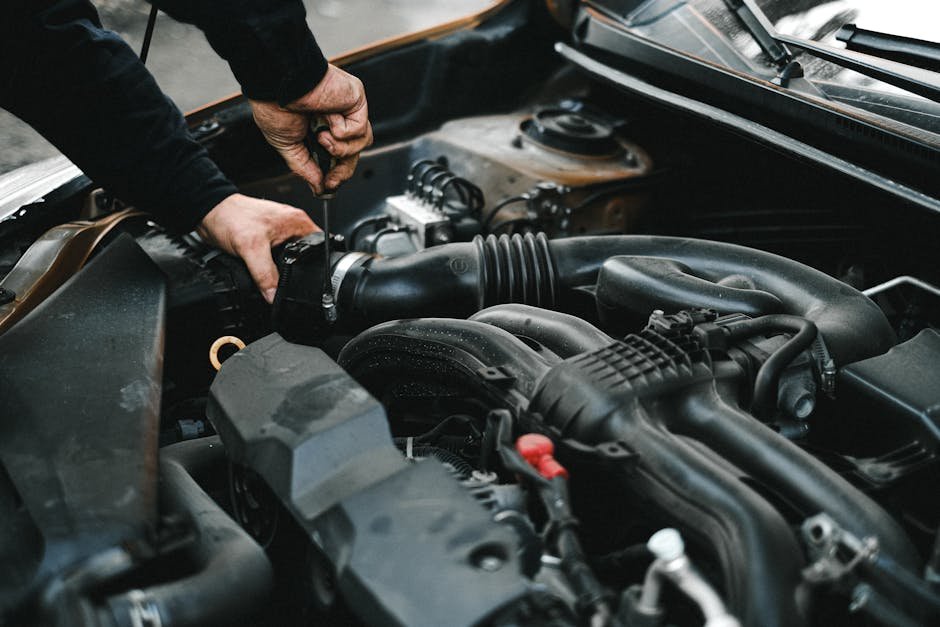
The fastest way to know whether your check engine light is a serious situation or a minor one is a professional diagnosis. At Norm’s Auto Clinic in Coweta, Oklahoma, we’ll read your codes, check live sensor data, and give you straight answers — usually on the same day. We serve Coweta, Broken Arrow, Wagoner, Muskogee, and the greater Tulsa area. Find us at 19 N. Broadway, Coweta, OK 74429 or call (918) 279-8100.