
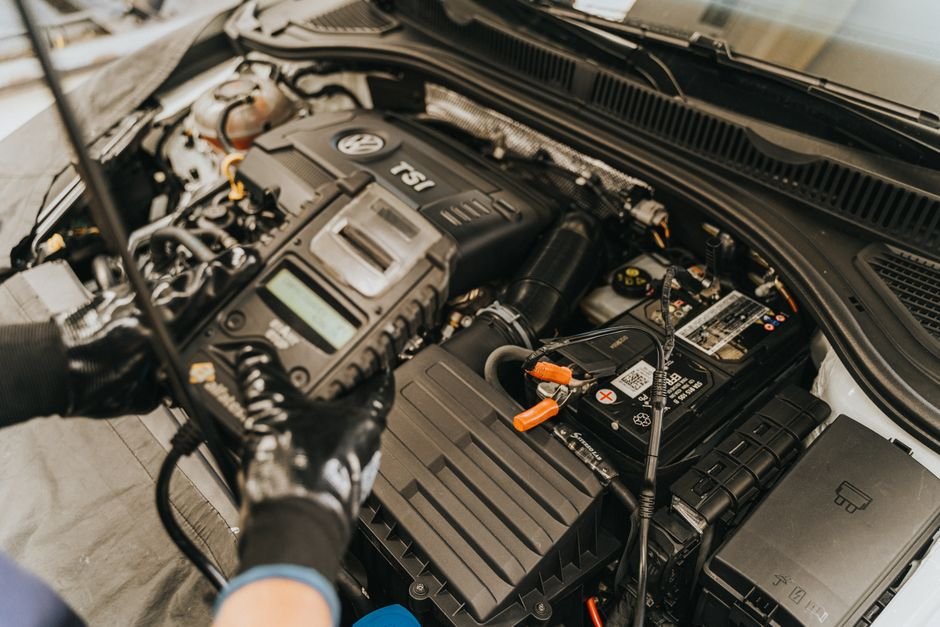
The check engine light is one of the most anxiety-inducing things that can happen to a driver — a glowing amber icon with no explanation, no description of the problem, and no indication of whether you’re about to spend or ,000. At Norm’s Auto Clinic in Coweta, Oklahoma, engine diagnostics is one of our core competencies. We don’t just read the code number and guess — we perform a complete diagnostic process that identifies the actual root cause and gives you a clear, honest explanation of what’s happening and what your options are.
Coweta and Wagoner County drivers have been bringing their check engine light concerns to Norm’s for over 30 years. Whether it’s a simple oxygen sensor, a loose gas cap, a misfiring cylinder, or a more complex catalytic converter or emissions system issue, we’ve seen and solved it. You’ll leave with a clear diagnosis, a written repair estimate if work is needed, and the confidence of knowing exactly what’s going on with your engine.
What Is the Check Engine Light and Why Does It Come On?
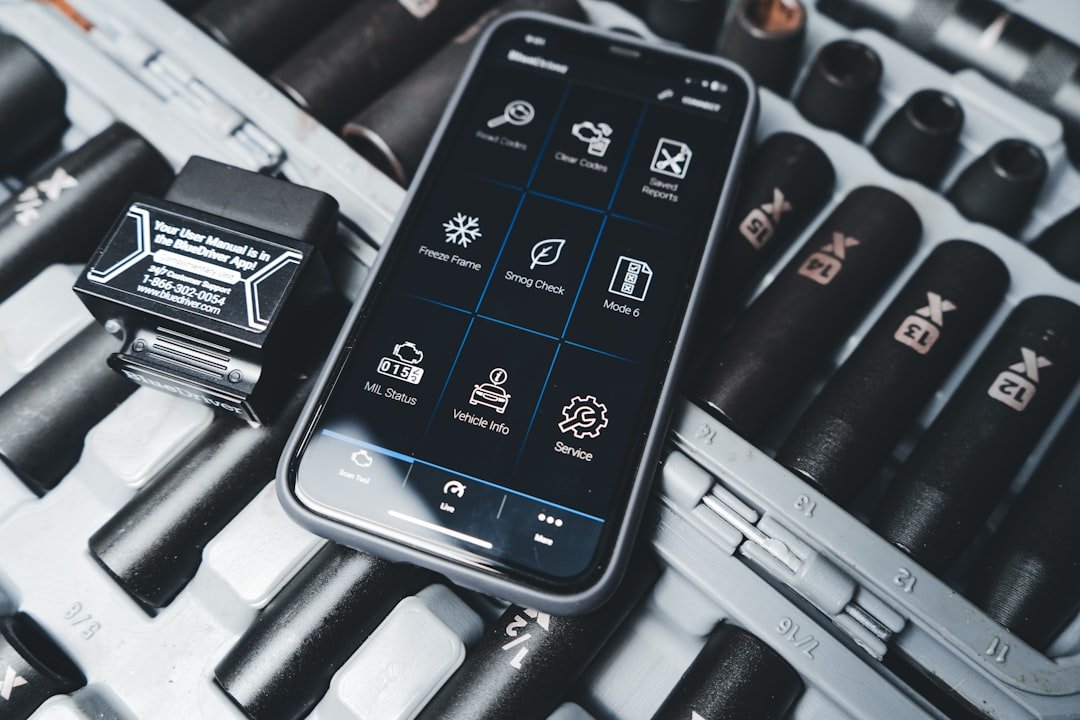
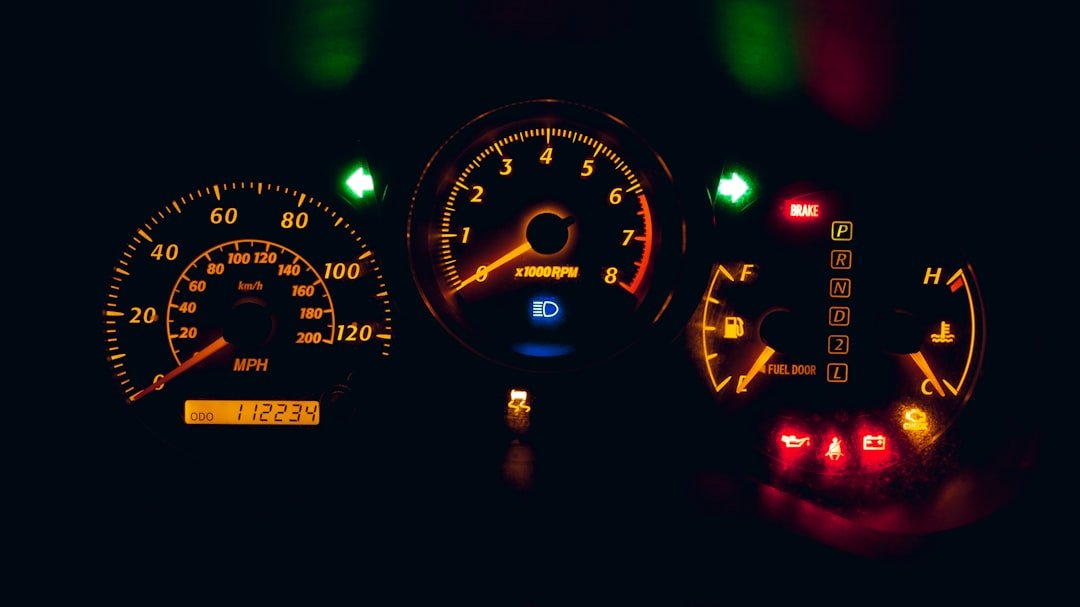
The check engine light (technically called the Malfunction Indicator Light or MIL) is part of your vehicle’s On-Board Diagnostics system (OBD-II). When your vehicle’s Engine Control Module (ECM) detects a reading outside of expected parameters from any of dozens of sensors, it stores a Diagnostic Trouble Code (DTC) and illuminates the check engine light.
The code itself doesn’t tell a mechanic what’s wrong — it tells them which system or sensor triggered the alert. A P0420 code (catalytic converter efficiency below threshold) could mean the catalytic converter itself is failing, but it could also mean an oxygen sensor is providing incorrect readings, an exhaust leak is affecting sensor readings, or an engine misfire is damaging the catalytic converter. A code is a starting point for diagnosis — not a conclusion.
This is why “free code reads” at auto parts stores have limited value. Reading the code takes 30 seconds and gives you a number. Proper diagnosis requires understanding what that number means in the context of your specific vehicle, its history, current sensor readings, and physical inspection of relevant components. That’s what we do at Norm’s.
Common Check Engine Light Causes We See in Coweta
After three decades of diagnosing vehicles from across Wagoner County and the Tulsa metro, we see certain issues appear regularly:
- Oxygen sensor failure — O2 sensors wear with age; a faulty sensor causes incorrect fuel mixture, reduced MPG, and can damage the catalytic converter if left unaddressed
- Loose or faulty gas cap — The evaporative emissions system monitors for fuel vapor leaks; a loose cap is the most common and least expensive check engine cause
- Catalytic converter failure — Especially common in higher-mileage vehicles; can result from age, contaminated fuel, oil burning, or engine misfire damage
- Mass Air Flow (MAF) sensor failure — Affects fuel mixture calculation; common in higher-mileage vehicles and those operated in dusty Oklahoma conditions
- Engine misfire codes (P0300–P0308) — Can result from worn spark plugs, faulty ignition coils, fuel injector issues, or vacuum leaks
- Evaporative emissions (EVAP) system leaks — Small leaks in the fuel vapor management system; ranges from minor to requiring significant repairs
- Thermostat failure — Engine not reaching proper operating temperature triggers codes; impacts fuel economy and emissions performance
Our Engine Diagnostic Process
When you bring your vehicle to Norm’s for a check engine light diagnosis, here’s our process:
- OBD-II Scan: We connect professional-grade diagnostic equipment to read all stored codes, pending codes, and freeze-frame data (what the engine’s parameters were when the code triggered).
- Live Data Review: We monitor real-time sensor readings to identify sensors operating outside of proper parameters — often revealing the root cause that a simple code read misses.
- Physical Inspection: We inspect the relevant components and systems identified by the diagnostic data — visually, with appropriate test equipment.
- Root Cause Identification: We distinguish between the system that triggered the code and the actual underlying cause — which may be a different component entirely.
- Written Estimate: We document our findings and provide a written repair estimate before any work begins. You decide how to proceed.
Frequently Asked Questions — Engine Diagnostics in Coweta
Can I drive with the check engine light on?
It depends on how the light is behaving. A steady check engine light typically indicates a non-emergency issue that should be diagnosed soon but doesn’t require immediate stopping. A flashing or blinking check engine light indicates an active engine misfire — this is urgent, as misfires can rapidly destroy your catalytic converter. If your check engine light is flashing, reduce speed, avoid hard acceleration, and have your vehicle diagnosed immediately. Call us at (918) 279-8100 if you’re unsure whether it’s safe to drive.
How much does an engine diagnostic cost?
Our diagnostic fee covers the complete diagnostic process — OBD-II scan, live data analysis, physical inspection, and root cause identification. We’ll discuss our diagnostic fee structure before beginning work. If you authorize the repair we recommend based on our diagnosis, the diagnostic fee is typically applied toward the repair cost.
Why does my check engine light come on and off by itself?
An intermittent check engine light means the triggering condition comes and goes. The underlying issue is still present — the condition that causes the code just isn’t occurring consistently. In many cases, the code is still stored in the ECM even when the light is off, and we can read it during a diagnostic scan. Intermittent issues are often harder to diagnose but shouldn’t be ignored — they typically worsen over time.
Can a bad gas cap cause a check engine light?
Yes — a loose, cracked, or failed gas cap is one of the most common and least expensive check engine light causes. The evaporative emissions system monitors for fuel vapor leaks, and a faulty cap triggers an EVAP code. Try tightening your gas cap firmly. If the light goes off after a few drive cycles, the cap was likely the cause. If the light returns or doesn’t go off, there’s likely another EVAP system issue that requires proper diagnosis.
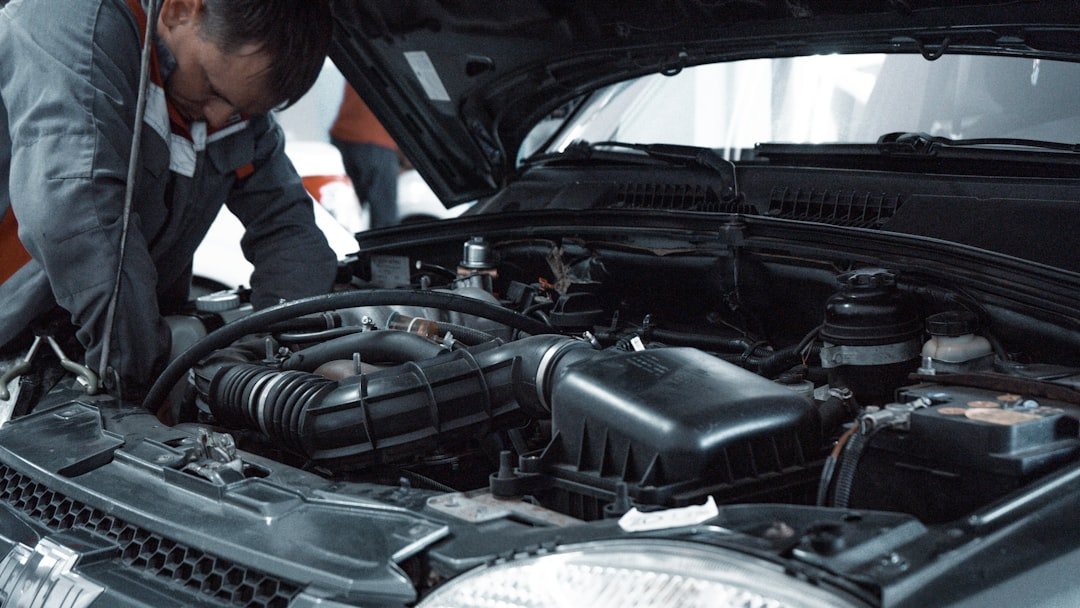
Don’t guess about your check engine light. Call Norm’s at (918) 279-8100 for an honest, thorough engine diagnostic in Coweta, Oklahoma. We’re at 19 N. Broadway, Coweta, OK 74429 — serving Coweta, Broken Arrow, Wagoner, Muskogee, and the greater Tulsa area. Walk-in diagnostics available.