
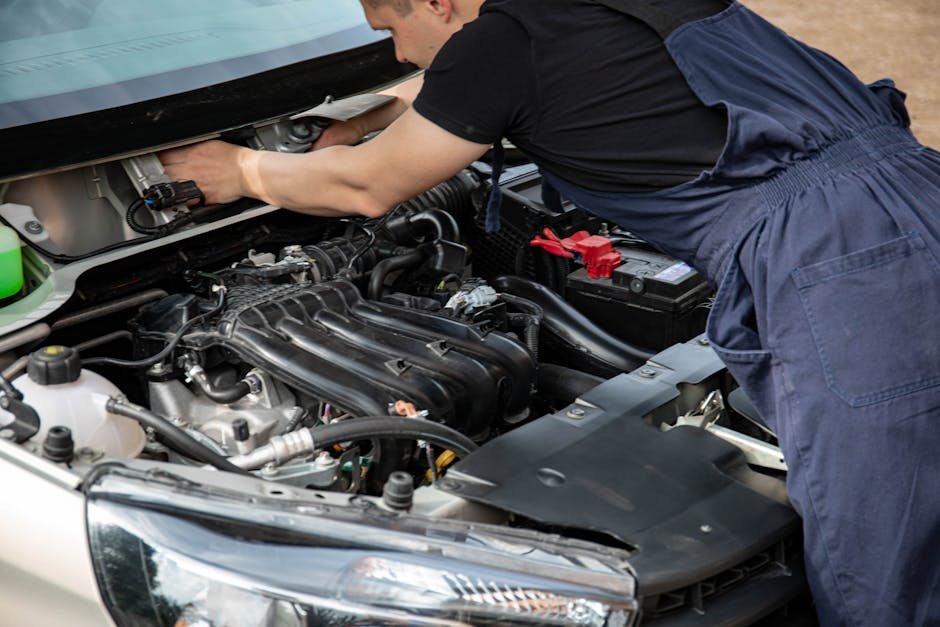
Engine knocking is a sound no driver wants to hear — a rhythmic, metallic tapping, rattling, or pinging coming from under the hood. Some knocking sounds are minor and easily fixed. Others indicate serious internal engine damage that can escalate quickly if ignored. At Norm’s Auto Clinic in Coweta, Oklahoma, we help drivers throughout the Coweta, Broken Arrow, and Wagoner County area determine exactly what their engine is telling them.
Types of Engine Knocking Sounds and What They Mean
Not all engine knocking sounds the same, and the character of the noise is an important diagnostic clue:
- Light tapping at idle that quiets when warm: Often a lifter tick — common, usually manageable
- Rhythmic knock that matches engine speed: Rod bearing or main bearing knock — serious
- Pinging or rattling under load/acceleration: Detonation or piston slap
- Single loud clunk from engine compartment: Could be a broken mount, pulley, or accessory
- Rattling that’s worst on cold start: Timing chain tensioner or VVT actuator issue
Common Causes of Engine Knocking
1. Low Engine Oil or Oil Pressure
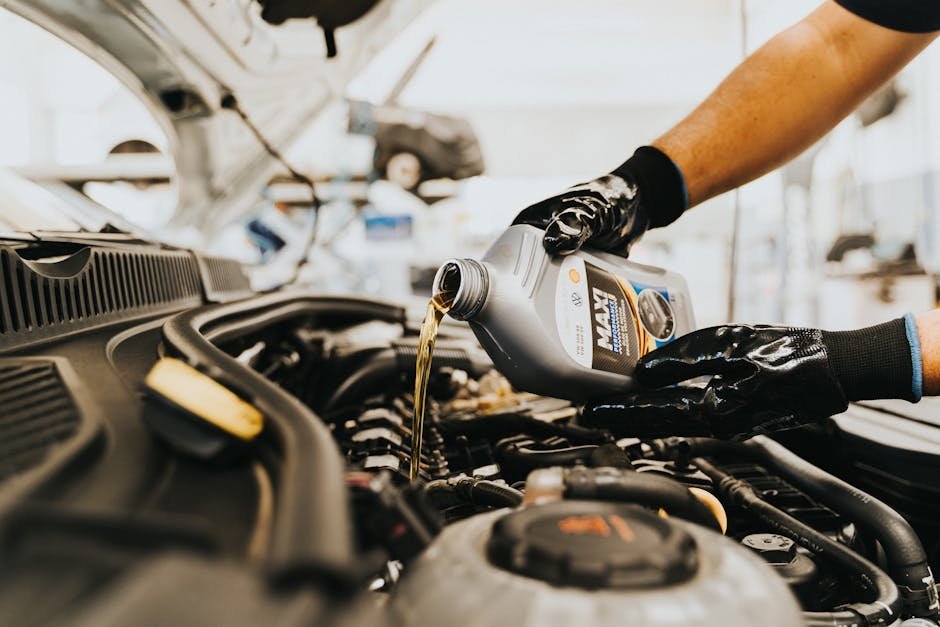
The most urgent cause of engine knocking. Oil lubricates the engine’s moving parts — when oil level drops or pressure fails, metal-to-metal contact produces a tapping or knocking sound rapidly followed by catastrophic engine damage. If your check engine light, oil pressure warning light, or low oil light is on alongside knocking — pull over immediately and shut the engine off. Do not drive further.
Check your oil level immediately. If it’s low, add oil and check for leaks. If the knocking continues after oil is at the correct level, have the vehicle towed — don’t risk driving it further.
2. Rod Bearing Wear (Rod Knock)
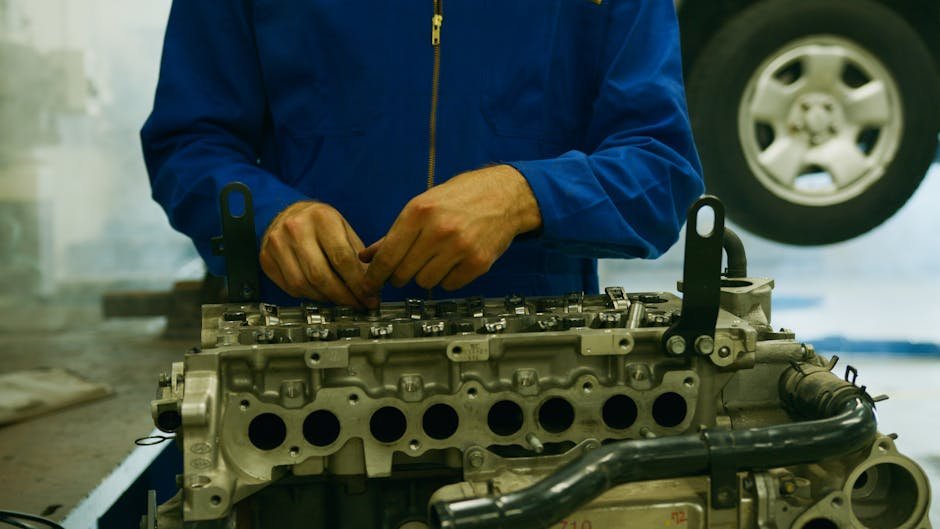
Rod bearings sit between the connecting rods and the crankshaft. When they wear — typically from oil starvation or high-mileage degradation — the resulting clearance creates a deep, rhythmic knocking that matches engine RPM and is often louder when accelerating. This is one of the most serious engine sounds. Rod knock that goes unaddressed progresses to engine seizure. Repair requires engine disassembly — cost ranges from ,500–,000 for bearing replacement to ,000–,000+ for engine replacement.
3. Detonation (Ping Knock)
Also called “spark knock” or “pre-ignition,” detonation occurs when the air-fuel mixture ignites prematurely or in multiple places simultaneously. It’s heard as a metallic pinging or rattling sound under load — acceleration, going uphill, or at highway speed. Causes include using too-low octane fuel for your engine’s requirements, carbon buildup in the combustion chambers (raising effective compression ratio), a malfunctioning knock sensor, or ignition timing that’s too advanced. Detonation causes real piston damage over time. Fix involves addressing the underlying cause — often a fuel octane change, carbon cleaning (–), or knock sensor replacement (–).
4. Worn Lifters or Camshaft Followers
Valve lifters (also called tappets) are components that open and close engine valves. When they wear or become stuck, they produce a rapid ticking noise that’s most pronounced at idle and cold start. This is often the “ticking” sound many drivers notice on startup that quiets once oil pressure builds. On many modern engines, this is oil sludge-related — the lifter passage becomes restricted. An engine flush or oil change with a fresh high-quality oil sometimes resolves minor lifter ticking. Severe cases require lifter replacement (–,500+).
5. Timing Chain or Belt Tensioner Wear
A stretched timing chain or failing tensioner rattles on cold startup because oil pressure hasn’t fully pressurized the tensioner yet. This is often described as a metallic rattle for 1–3 seconds after startup that then quiets. This condition is serious — a jumped or broken timing chain can cause catastrophic engine damage (bent valves, piston-valve contact) on interference engines. Timing chain service runs –,500 and is far less expensive than the engine damage that results from ignoring it.
What to Do When You Hear Engine Knocking
- Check your oil level immediately — if low, add oil and monitor closely
- Note when the knock occurs (cold start, at idle, under load, all the time)
- Note what the knock sounds like (tapping, deep rhythmic knock, pinging under acceleration)
- Do not continue driving if the knock is deep, rhythmic, and worsening — this risks engine destruction
- Bring your vehicle to Norm’s for diagnosis before the situation escalates
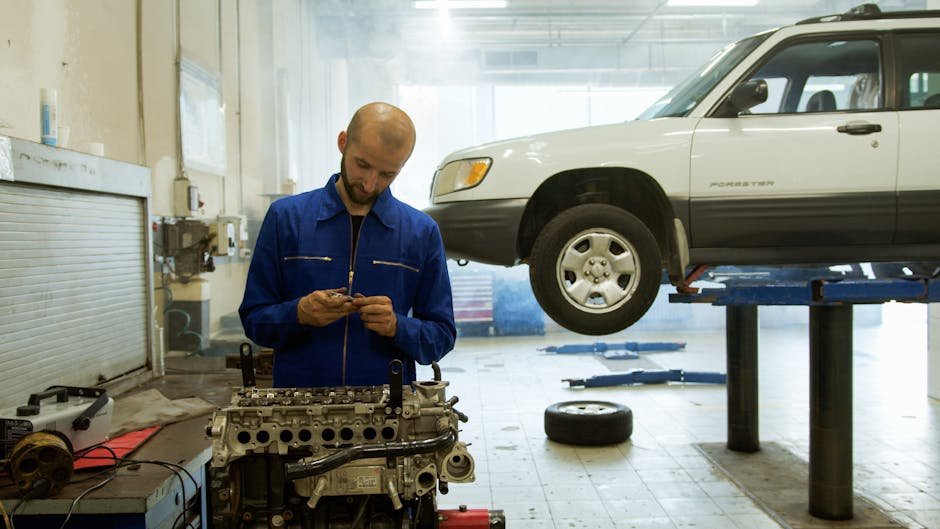
Engine knocking diagnosis at Norm’s Auto Clinic involves an oil pressure test, inspection of oil quality and level, a review of the engine’s service history, and if warranted, an internal inspection. We’ll tell you what we find and what it will cost to fix — before we start. Find us at 19 N. Broadway, Coweta, OK 74429 or call (918) 279-8100.