
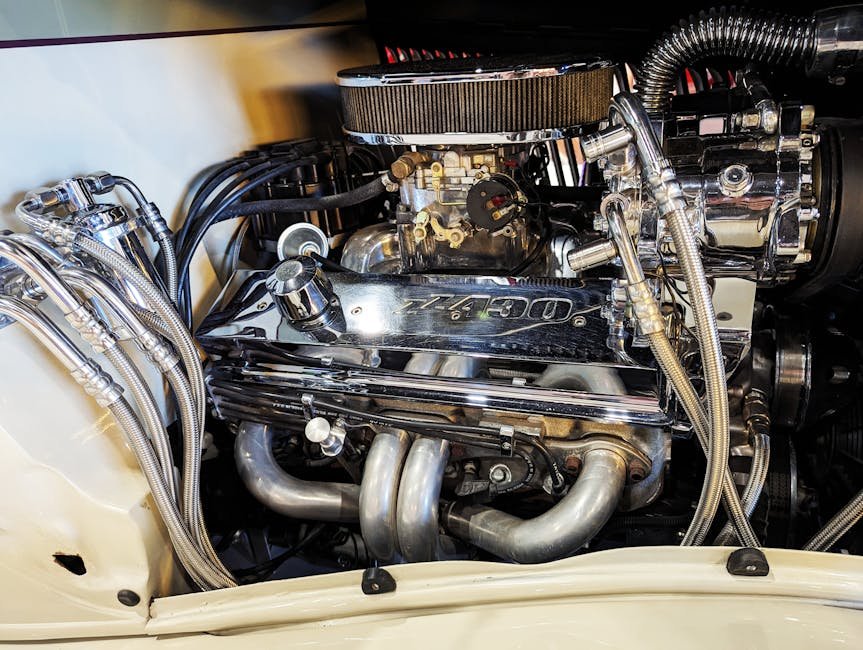
Your vehicle’s fuel system is responsible for delivering clean, properly atomized fuel to the engine at precisely the right time and pressure. When any component in this system degrades — injectors get dirty, the fuel pump weakens, the filter clogs — you lose power, fuel economy, and drivability. At Norm’s Auto Clinic in Coweta, Oklahoma, we diagnose and service all fuel system components to keep your engine running at peak efficiency.
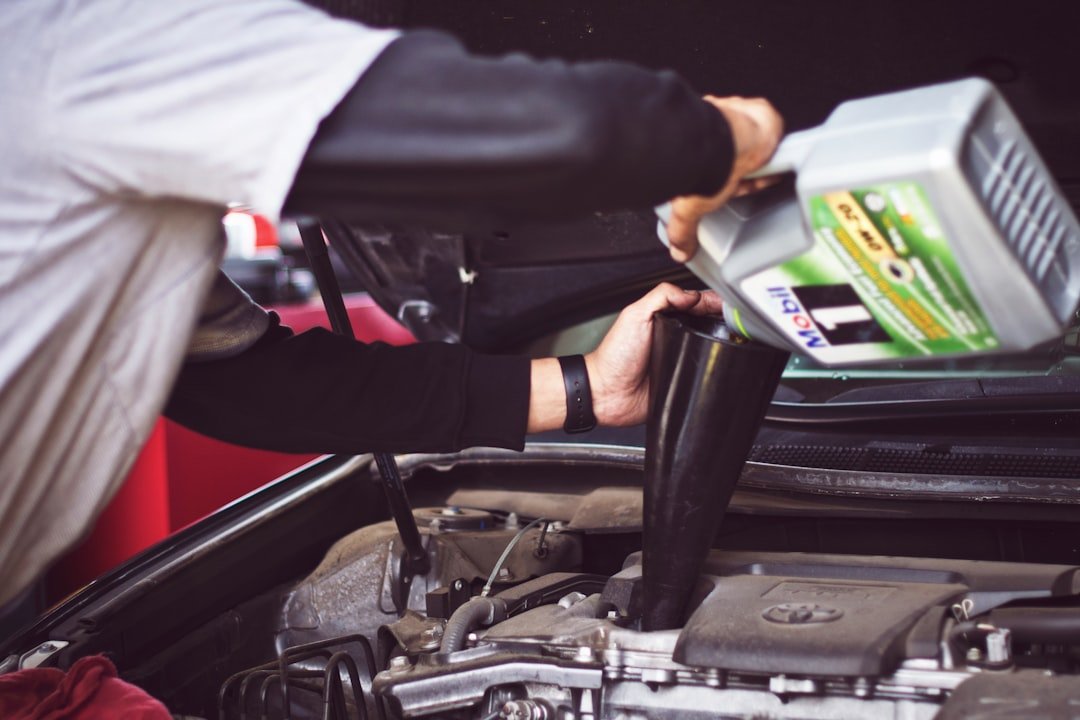
Components of Your Fuel System
- Fuel pump — Located in or near the fuel tank, it pressurizes fuel and delivers it to the injectors or carburetor. Electric fuel pumps on modern vehicles should last 100,000+ miles with clean fuel and a regularly changed filter.
- Fuel filter — Removes contaminants (rust particles, debris, water) before fuel reaches the injectors. On many vehicles this is an inline filter; on others it’s integrated into the fuel pump module inside the tank.
- Fuel injectors — Electronically controlled nozzles that spray a precise mist of fuel into each cylinder. Over time, fuel varnish and carbon deposits build up on injector tips, disrupting the spray pattern and reducing efficiency.
- Fuel pressure regulator — Maintains consistent fuel pressure throughout the system. A failing regulator causes rich or lean running conditions.
- Throttle body — Controls airflow into the engine. Carbon buildup on throttle body walls causes rough idle, hesitation, and stalling.
Signs of Fuel System Problems
- Rough idle or engine hesitation — Dirty injectors cause uneven fuel delivery, leading to a lumpy idle or stumble during acceleration
- Hard starting — A weak fuel pump may not build sufficient pressure on startup
- Reduced fuel economy — Dirty injectors and a partially clogged filter make the engine work harder
- Engine misfire codes — Injector deposits can cause misfires that trigger the check engine light
- Fuel smell — A leaking fuel line, injector, or fitting is a safety hazard requiring immediate attention
- Engine sputtering at highway speed — A weak fuel pump may maintain pressure at idle but fall short at high-demand highway operation
Fuel System Services at Norm’s
- Fuel filter replacement — Recommended every 30,000 miles on vehicles with serviceable inline filters
- Fuel injector cleaning — Professional on-car cleaning service using pressurized solvent that dissolves varnish deposits without removal; major cleaning for severe cases using ultrasonic cleaning equipment
- Throttle body cleaning — Carbon buildup removal from throttle body bore and plate
- Fuel pump diagnosis and replacement — Pressure and volume testing to confirm pump health; full pump module replacement when needed
- Fuel pressure regulator replacement — Diagnosis and replacement when pressure testing reveals regulator failure
- Fuel line inspection and repair — Inspection for cracks, leaks, and deterioration in fuel delivery lines
Oklahoma Fuel System Considerations
Oklahoma’s ethanol-blended fuel (E10 is standard) can accelerate fuel system component degradation over time — particularly in older vehicles not designed for ethanol. Water absorption from ethanol-blended fuels can corrode fuel tanks and injectors in vehicles that sit for extended periods. We’re familiar with these regional fuel quality issues and can advise you on appropriate service intervals for Oklahoma conditions.
Contact Norm’s Auto Clinic for fuel system service — 19 N. Broadway, Coweta, OK 74429, or call (918) 279-8100. We serve Coweta, Broken Arrow, Wagoner, and the greater Tulsa area.