
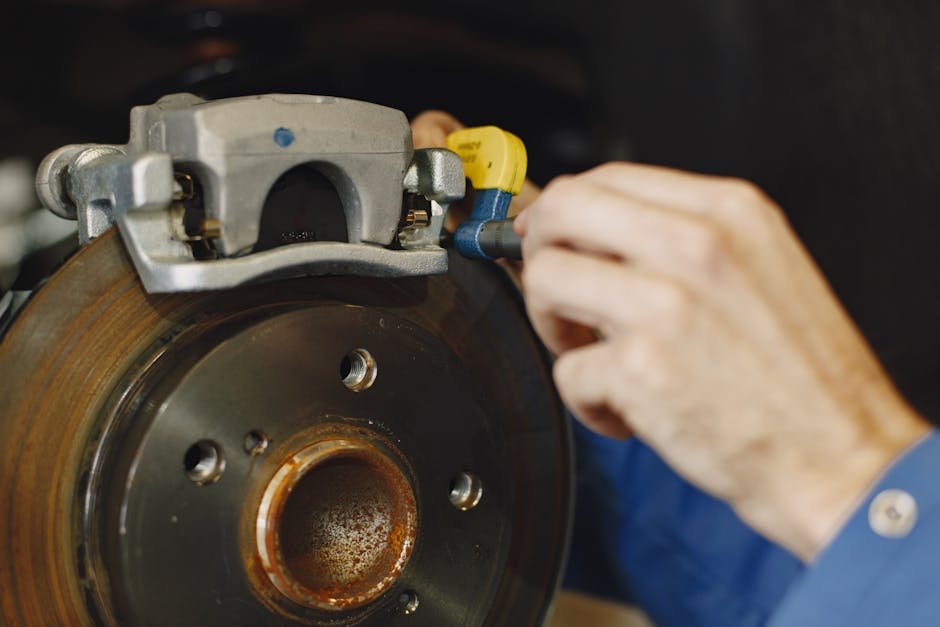
A metal-on-metal grinding sound when braking is one of the most urgent warning signs your vehicle can give you. Unlike brake squeal — which is a gentle warning — grinding means brake pad material is completely gone and metal is grinding against metal. At Norm’s Auto Clinic in Coweta, Oklahoma, we tell drivers the same thing every time this comes in: stop driving and get it fixed. Here’s why.
What’s Making That Grinding Sound?
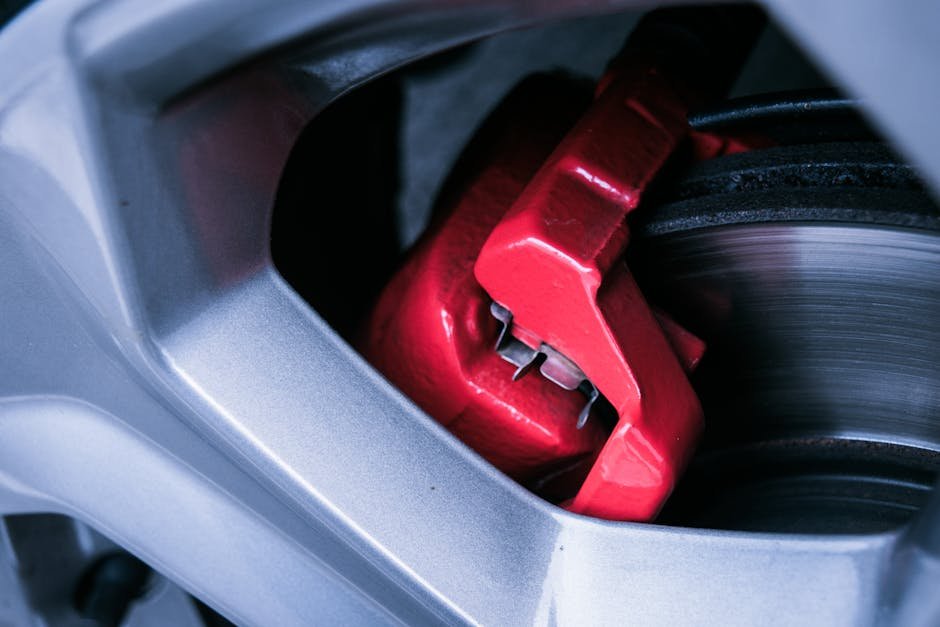
Brake pads have a steel wear indicator — a small metal tab — designed to contact the rotor when the pad material wears to a minimum safe thickness, producing a high-pitched squeal as a warning. If the squeal is ignored long enough, the pad wears completely through. Now the steel backing plate of the pad contacts the brake rotor directly during braking. This metal-on-metal contact produces a grinding or growling noise, and it’s actively damaging your rotors with every stop.
The Cost of Waiting
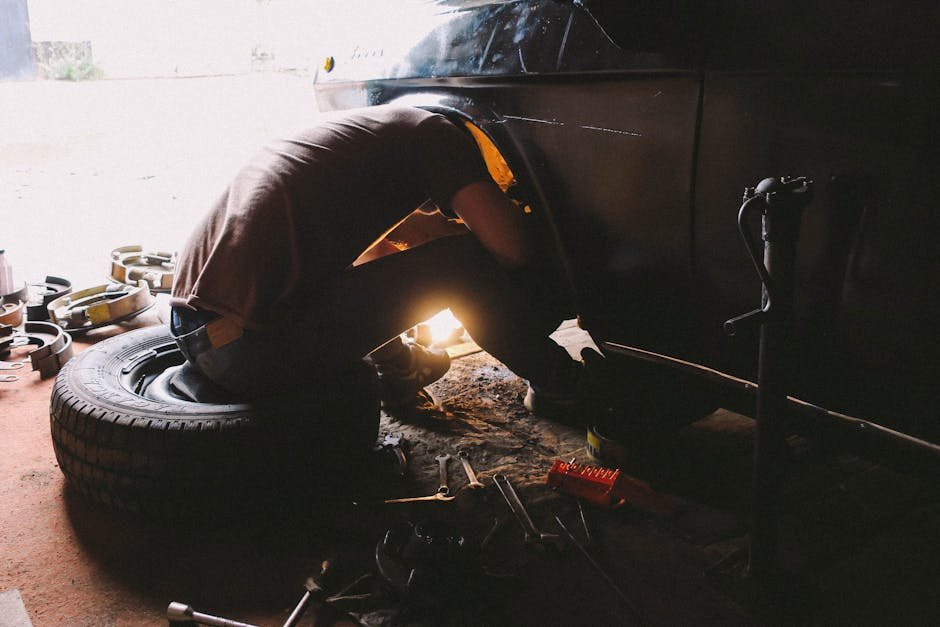
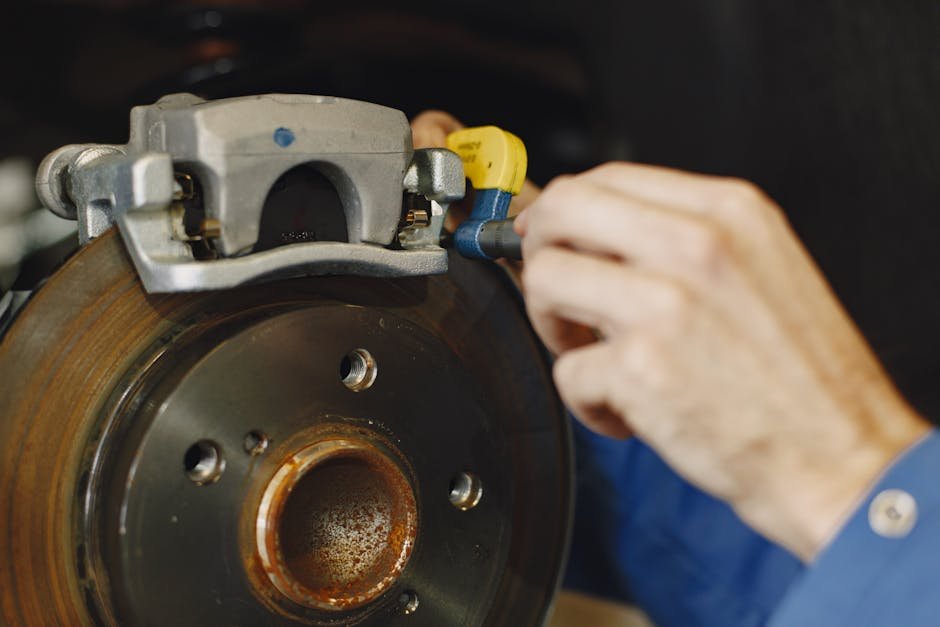
This is where brake neglect becomes expensive. Pad replacement on a vehicle that still had rotors in good condition: – per axle. After metal-on-metal grinding has scored the rotors, those rotors must be replaced — often – per axle including the new pads. The longer the grinding continues, the deeper the grooves cut into the rotor. A few weeks of driving on grinding brakes can double the repair cost.
Other Causes of Brake Grinding
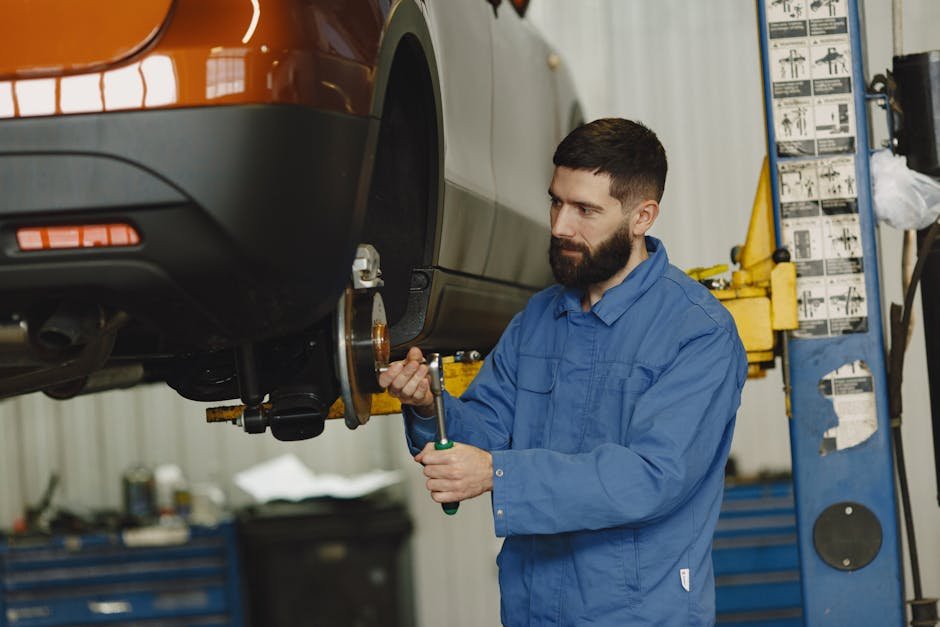
Not every grinding noise during braking is metal-on-metal pad contact. Other causes include:
- Debris caught in the caliper — A pebble or piece of road debris can become lodged between the pad and rotor, causing a grinding/scraping noise. This can sometimes resolve on its own but should be inspected.
- Rusty rotor surface — After sitting overnight in Oklahoma humidity or rain, rotors develop a thin rust layer that produces a brief grinding or scraping during the first few stops. This is normal if it clears quickly. If it persists after 3–4 stops, have it inspected.
- Worn wheel bearing — A failing wheel bearing can produce a grinding or growling that sounds similar to brake noise but may not change with brake application. Wheel bearing noise often changes with vehicle speed rather than braking.
- Caliper dragging — A seized brake caliper applies continuous pressure to the rotor; can cause grinding as well as heat buildup, pulling, and premature wear on one wheel.
Don’t drive on grinding brakes. Norm’s Auto Clinic — 19 N. Broadway, Coweta, OK 74429. Call (918) 279-8100 — we can often fit you in same-day for brake emergencies. Serving Coweta, Broken Arrow, Wagoner, and the Tulsa area.