
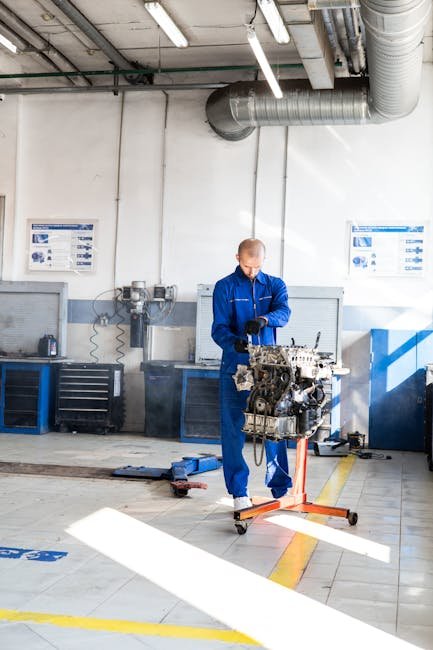
A blown head gasket is one of the most feared diagnoses in auto repair — and for good reason. Left untreated, a failed head gasket can lead to complete engine destruction. But the good news is that head gasket failure rarely happens without warning. If you catch the signs early and bring your vehicle to Norm’s Auto Clinic in Coweta, Oklahoma, you have options. This guide explains exactly what a head gasket does, the warning signs of failure, what repair costs look like in Oklahoma, and how to decide whether fixing it makes sense for your situation.
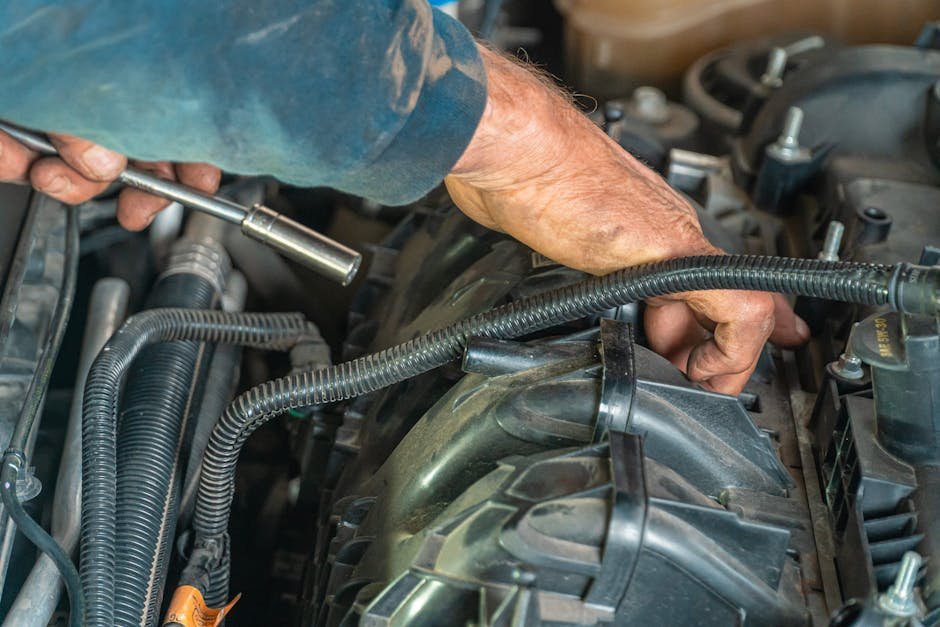
What Does the Head Gasket Actually Do?

The head gasket is a thin metal and composite seal sandwiched between the engine block (the lower portion containing the cylinders and pistons) and the cylinder head (the upper portion containing the valves, camshafts, and combustion chambers). Its job is to seal three separate systems simultaneously: the combustion chambers (keeping compression in), the coolant passages (keeping coolant circulating through the head), and the oil passages (keeping oil flowing through the head). When the head gasket fails, one or more of these seals breaks down — and the results can be catastrophic.
Head gaskets fail most often due to engine overheating. The head and block are made of different metals (often aluminum and iron) that expand at different rates when heated. Severe or repeated overheating cycles stress the gasket beyond its design limits, and it fails. Other causes include a manufacturing defect (some engine families are notorious for head gasket failures), detonation (engine knock), and age-related degradation on high-mileage engines.
Warning Signs of Head Gasket Failure
Head gasket failure can manifest in different ways depending on where the seal breaks down. Here are the most common warning signs:
White Smoke from the Exhaust
This is the most telling sign. When coolant leaks into the combustion chamber, it burns and exits as thick white or gray smoke from the tailpipe. This is different from the thin white vapor you see on cold mornings — head gasket smoke is persistent, thick, and sweet-smelling (from the burning coolant). If your car produces white smoke continuously once it’s warmed up, suspect a head gasket immediately.
Coolant Loss with No External Leak
If you’re adding coolant regularly but can’t find a visible leak under the car or in the engine bay, the coolant may be leaking internally — into the combustion chamber (where it burns) or into the oil (where it contaminates). An unexplained coolant loss that’s consistent is a red flag.
Milky or Foamy Oil
Pull your oil dipstick. If the oil looks milky, foamy, or has a light tan or cream color (rather than the usual amber or dark brown), coolant has contaminated the oil. This is a serious condition — coolant in the oil destroys bearing surfaces and can cause complete engine failure within minutes to hours of continued operation. Do not drive the vehicle if you see this.
Bubbles in the Coolant Reservoir
When combustion gases leak into the cooling system through a failed head gasket, they create bubbles in the coolant reservoir. Remove the radiator cap (only when the engine is cold!) and watch the coolant with the engine running. Bubbling or gurgling in the reservoir is a strong indicator of combustion gas contamination.
Engine Overheating
A blown head gasket disrupts the cooling system, leading to overheating. But it goes both ways — overheating causes head gasket failure, and head gasket failure causes overheating. If your temperature gauge has climbed once or twice, have the cooling system and head gasket inspected before the problem worsens.
Loss of Power and Rough Running
When a head gasket fails between two cylinders, compression leaks from one cylinder into another. The engine loses power, runs roughly, may misfire, and the check engine light often illuminates with a misfire code. This symptom without the others sometimes mimics a simple tune-up issue — but compression testing will reveal the head gasket failure.
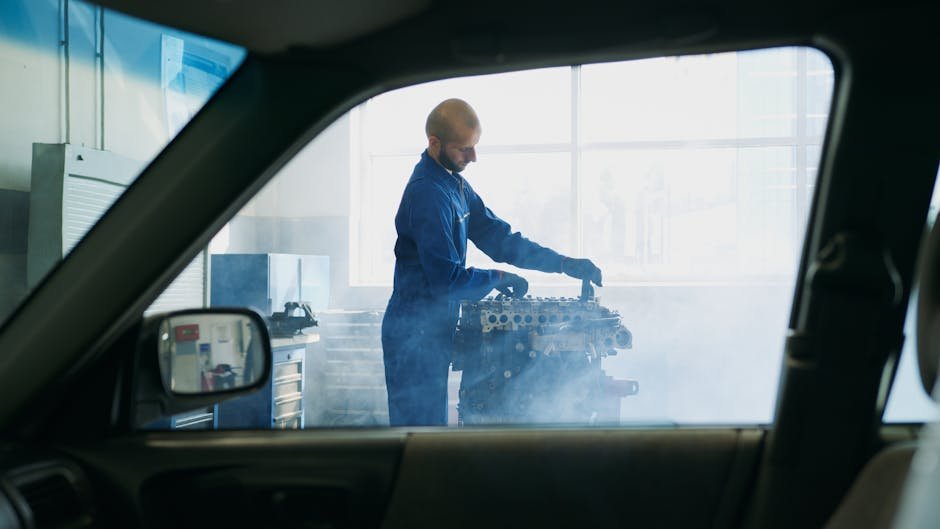
Diagnosing a Blown Head Gasket
At Norm’s Auto Clinic in Coweta, Oklahoma, we use several tests to confirm head gasket failure before recommending repair:
- Block test (combustion leak test): A chemical tester draws air from the cooling system. If combustion gases are present, the test fluid changes color — a reliable confirmation of head gasket failure.
- Compression test: Low compression in adjacent cylinders indicates a gasket failure between those cylinders.
- Cylinder leak-down test: Air pumped into each cylinder reveals leaks into the cooling system, adjacent cylinders, or the crankcase.
- Oil and coolant visual inspection: Milky oil or coolant contamination confirms internal leakage.
- Cooling system pressure test: Reveals if the system loses pressure due to an internal leak.
Head Gasket Repair Cost in Oklahoma
Head gasket repair is labor-intensive — and that’s where most of the cost comes from. The gasket itself may cost $50–$200, but the labor to access it is substantial. Here’s a realistic cost breakdown for the Coweta and Tulsa area:
- 4-cylinder engine (standard cars, trucks): $1,200–$2,200
- V6 engine: $1,800–$3,200
- V8 engine: $2,500–$4,000+
- Subaru EJ engines (known head gasket issues): $1,500–$2,800
These prices include disassembly of the upper engine, head removal, surface machining (if the head is warped from overheating), new gasket and hardware, reassembly, coolant flush, and a full test before delivery. If the head is cracked from severe overheating, add $300–$800 for a replacement head. If the engine block is damaged, repair costs approach the cost of engine replacement.
Should You Fix a Blown Head Gasket?
This is the most important question — and the answer depends on the vehicle’s overall condition and value.
Fix it if: The vehicle is otherwise in good condition with no major issues, the repair cost is less than 50–60% of the vehicle’s current market value, the engine itself is not damaged beyond the gasket, and you intend to keep the vehicle several more years. A head gasket repair on an otherwise solid vehicle often extends the vehicle’s life by 100,000+ miles.
Consider alternatives if: The vehicle has multiple expensive issues beyond the head gasket, the repair cost approaches or exceeds the vehicle’s market value, the engine is already heavily damaged (cracked head, scored cylinders), or the vehicle has high mileage and other deferred maintenance. In this case, a used engine swap may be more cost-effective than head gasket repair.
At Norm’s Auto Clinic, we provide honest assessments. We’ll inspect the full vehicle condition, give you a written estimate, and help you understand all your options — including whether repair makes financial sense for your specific situation. We’re located at 19 N. Broadway, Coweta, OK. Call us at (918) 279-8100 to schedule a head gasket diagnosis.
Frequently Asked Questions
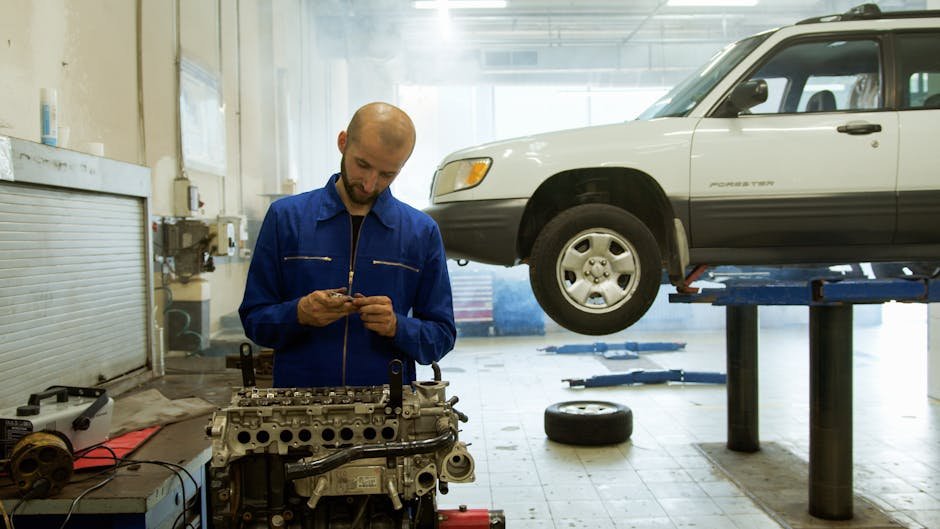
Can I drive with a blown head gasket?
No. Continuing to drive with a blown head gasket risks complete engine destruction. Coolant in the combustion chamber can cause a hydro-lock (water can’t compress, bending connecting rods). Coolant in the oil rapidly degrades lubrication. Overheating can warp or crack the engine block. If you suspect head gasket failure, stop driving and have the vehicle towed for inspection.
Do head gasket sealers work?
Liquid head gasket sealers (products poured into the cooling system) occasionally provide a temporary fix for very minor leaks. They are not a permanent repair and can clog cooling system passages, making a future repair more difficult and expensive. We don’t recommend them as anything but a short-term emergency measure to get the vehicle to a shop.
How long does a head gasket repair take?
Typically 1–3 days depending on the engine complexity, whether the head needs to be machined, and parts availability. More complex engines (V8s, engines with variable valve timing) take longer than simpler four-cylinder engines.