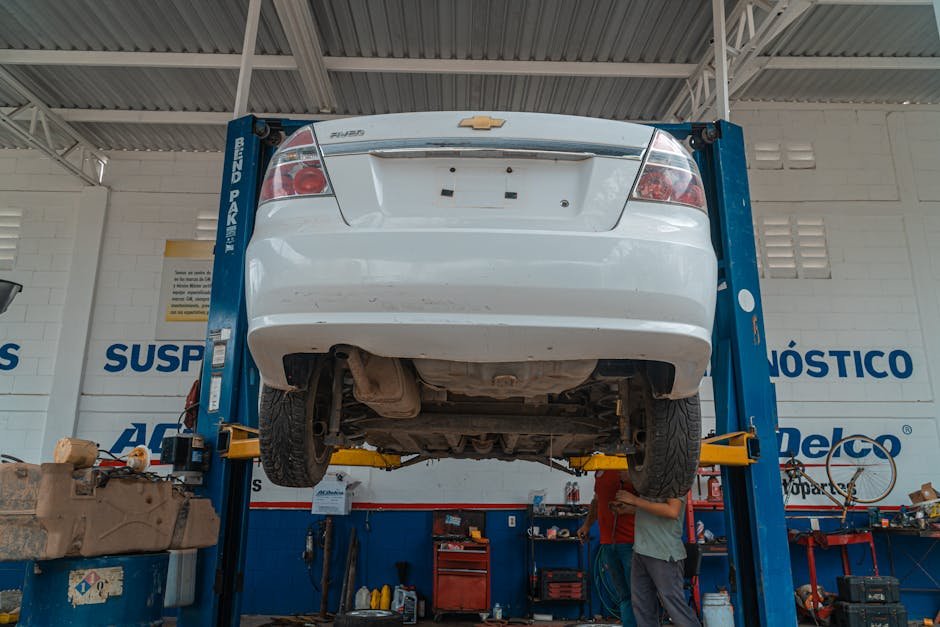
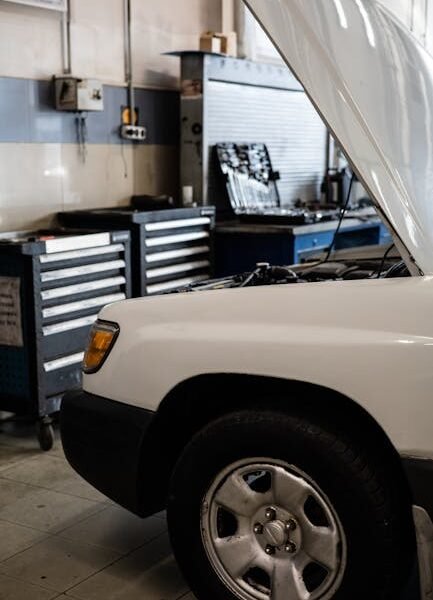
The Honda CR-V and Pilot are consistently among the top-selling SUVs in the Coweta and Broken Arrow area. They offer strong reliability, practical packaging, and good fuel economy. But Oklahoma’s summer heat, dusty roads, and temperature swings create specific maintenance demands the factory schedule doesn’t fully address.
At Norm’s Auto Clinic, we service a high volume of Honda SUVs and have identified the specific patterns that predict long-term reliability versus premature failure.

CR-V 1.5T: Oil Dilution and Maintenance Intervals
The 2017+ Honda CR-V with the 1.5T engine shares the oil dilution concern documented in the Civic and Accord. In Oklahoma, this is a moderate concern — our long, hot summers mean the engine reaches full operating temperature quickly. However, drivers who make frequent short trips in cooler months should shorten their oil change interval to 4,000–5,000 miles.
Honda’s Maintenance Minder system adjusts oil change reminders based on driving patterns — but it doesn’t fully account for Oklahoma-specific factors like extreme heat and dust. Treat Maintenance Minder B as your maximum interval, not your target. The 2022+ CR-V Sport Hybrid eliminates the oil dilution concern and adds the long-term reliability benefits of Honda’s proven hybrid system.
Regardless of generation, CR-V owners should replace the cabin air filter annually — Oklahoma’s dusty conditions clog it faster than the factory schedule suggests. A clogged cabin filter strains the blower motor and reduces HVAC efficiency, which matters in summer heat.

Honda Pilot: 3.5L V6, VCM, and the 9-Speed Transmission
The Honda Pilot’s 3.5L V6 (2016+) paired with the 9-speed automatic has a documented shudder issue on cold starts and at low speeds. Honda issued TSBs for calibration updates, and the shudder is often resolved with a software update and transmission fluid replacement. If your Pilot shudders, have it diagnosed before the problem develops into mechanical damage.
The Pilot’s Variable Cylinder Management (VCM) system has been criticized for causing oil consumption and rough torque converter operation on 2016–2022 models. Many Pilot owners disable VCM with an aftermarket module to protect engine longevity. The more straightforward approach: strict 5,000-mile oil changes and monitoring oil level between services.
Timing belt service on 2009–2015 Pilot models with the 3.5L J35 engine is critical at 105,000 miles. A snapped timing belt destroys the engine instantly. On the 2016+ Pilot, the timing system uses a chain — no scheduled replacement needed, but regular oil changes prevent the chain rattle that signals tensioner wear.

AWD System Service for CR-V and Pilot
Honda’s Real Time AWD (CR-V) and i-VTM4 AWD (Pilot) are fluid-cooled and require rear differential and VTM-4 fluid changes every 30,000–40,000 miles. We see a disproportionate number of AWD-related failures on high-mileage Hondas where this fluid was never serviced. The fluid is inexpensive; the rear differential or VTM-4 unit is not.
Call Norm’s Auto Clinic at (918) 279-8100 or visit 11150 S 265th E Ave, Coweta, OK 74429. We serve Honda SUV owners from Coweta, Broken Arrow, Wagoner, and throughout northeastern Oklahoma — Monday–Friday, 8am–5pm.