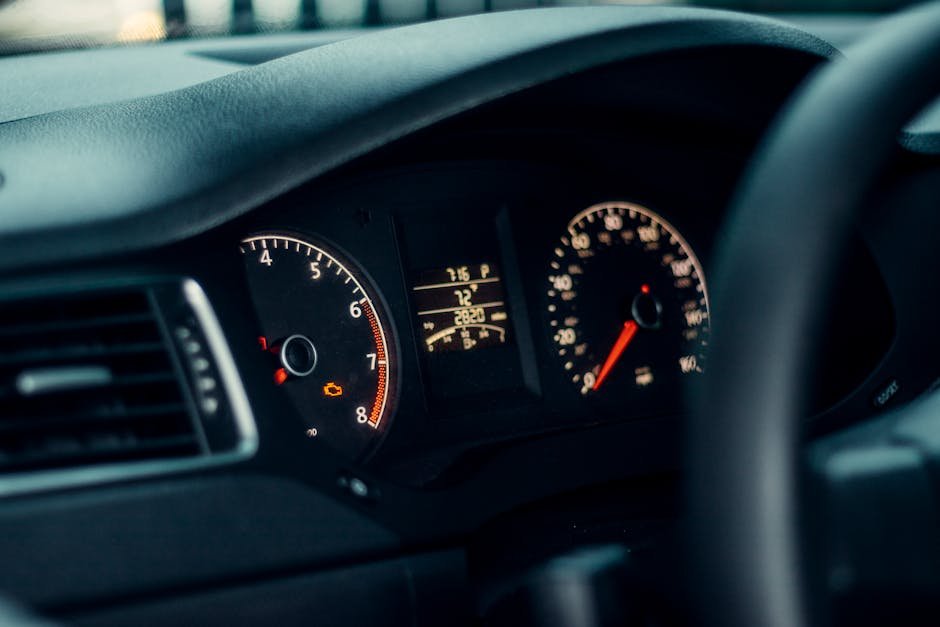
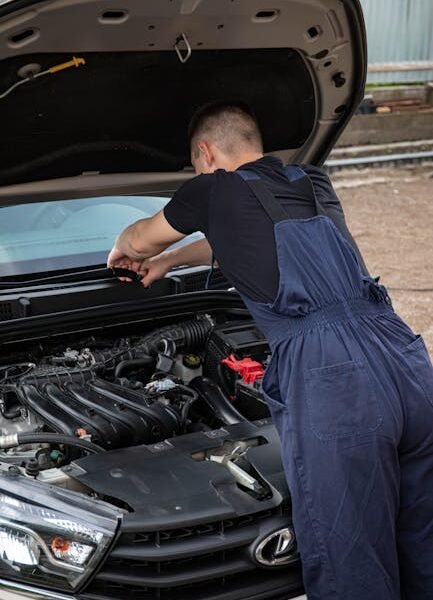
Engine coolant (antifreeze) prevents your engine from overheating in summer and freezing in winter while also protecting the cooling system components from corrosion. In Oklahoma’s extreme summer heat, maintaining proper coolant level and condition is one of the most important things you can do to prevent a costly breakdown.
Here’s how to check your coolant level safely and what to do if it’s low.
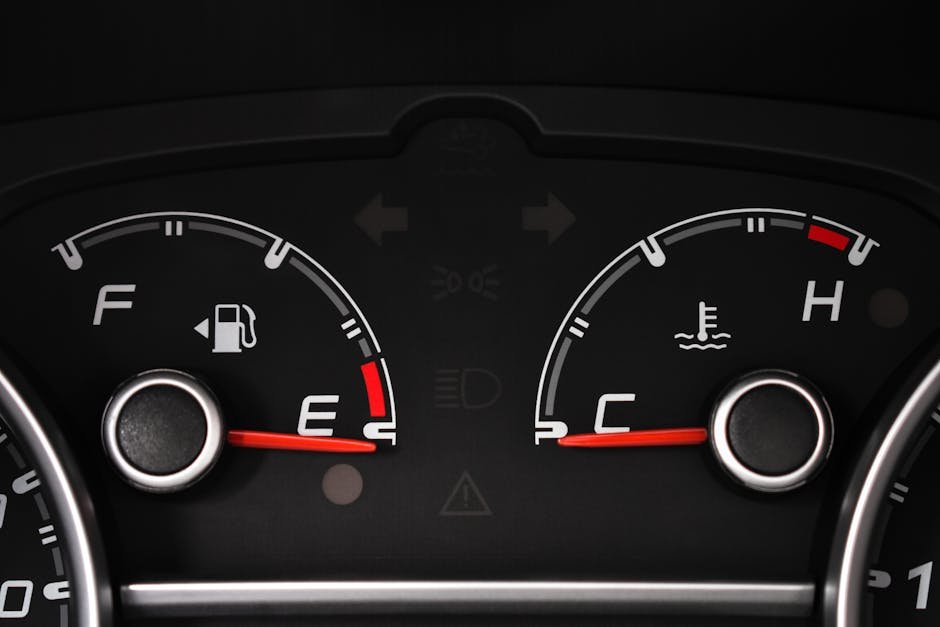
How to Check Coolant Level Safely
Safety first: NEVER open the radiator cap or coolant reservoir cap when the engine is hot. The system is pressurized, and opening a hot cap releases scalding steam and liquid. Wait at least 30–45 minutes after driving before checking coolant.
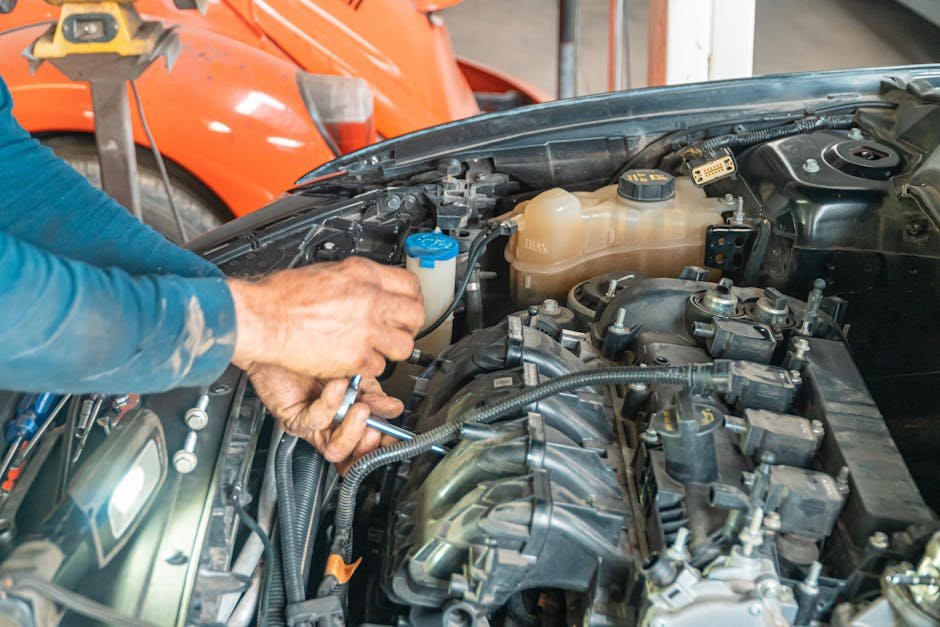
Locate the coolant reservoir — a translucent plastic tank connected to the radiator, usually marked with a radiator/thermometer symbol. Most modern vehicles don’t require opening the radiator cap at all; the reservoir is the check point. The reservoir has MIN and MAX lines on the side. The coolant level should be between these lines when cold.
If the coolant is below the MIN line, add the correct type of coolant for your vehicle (check the owner’s manual or the cap on the reservoir). Never add water alone in an emergency unless you’re far from a shop — water dilutes the coolant’s freeze and boil protection and its corrosion inhibitors. After adding water in an emergency, have the coolant concentration tested and corrected as soon as possible.

Understanding Coolant Colors and Types
Coolant comes in multiple colors — green, orange, red, blue, yellow — and these colors indicate different chemical formulations with different corrosion inhibitor packages. Mixing incompatible coolant types can cause corrosion and clog the cooling system. Always use the coolant type specified in your owner’s manual.
Green coolant (traditional): For older vehicles; service interval 2 years or 30,000 miles. Orange/red HOAT coolant (GM DEX-COOL, Toyota Red): 5 years or 100,000 miles. Blue/yellow OAT coolants (European vehicles, some Hondas): 5+ years. Check your manual — using the wrong type causes serious cooling system damage.
Coolant Service at Norm’s Auto Clinic
We check coolant level and condition at every oil change. If your coolant is low or discolored (should be clear/bright, not rusty or brown), we’ll recommend the appropriate service. A cooling system flush every 50,000–60,000 miles is our recommendation for Oklahoma drivers.
Call (918) 279-8100 or visit 11150 S 265th E Ave, Coweta, OK 74429 — Monday–Friday, 8am–5pm.