

Finding a mechanic you can genuinely trust is one of the most valuable things you can do as a vehicle owner. The auto repair industry has a complicated reputation — and some of it is earned. But most mechanics are honest professionals who take pride in their work. The challenge is knowing how to tell the difference before you hand over your keys.
At Norm’s Auto Clinic in Coweta, Oklahoma, we’ve built our business on transparency and honesty. We also understand the legitimate concern many drivers have about being taken advantage of at the repair shop. In this guide, we’ll give you the genuine insider knowledge to identify red flags, ask the right questions, understand repair estimates, and know your rights as a consumer — so you can make confident decisions about your vehicle’s care.

Red Flags: Signs You’re at the Wrong Shop
Before discussing how to find a good mechanic, it helps to recognize the warning signs that you’ve found a bad one. These are the practices that give the industry a poor reputation:
Pressure to Authorize Work Immediately
A reputable shop will diagnose your vehicle, write an estimate, and give you time to review it — and call around if you want. A shop that pressures you to authorize repairs immediately, or claims the vehicle will be damaged if you drive it away without fixing something right now (even when the problem is non-urgent), is prioritizing their revenue over your interests. Take your time on major repairs. Genuine emergencies — like a brake system failure — are real, but they’re rare. Most repairs can wait 24 hours for you to get a second opinion.
Recommending Repairs Without Showing Evidence
When a mechanic recommends a repair, you’re entitled to see why. Ask to see the worn part, the diagnostic data, or the inspection finding that triggered the recommendation. A good mechanic will show you — pointing to the thin brake pad, the cracked belt, the oil leak location. A shop that can’t or won’t show you evidence for their recommendations is a shop to avoid.
Vague or Verbal Estimates
In Oklahoma, vehicle repair shops are required by law (Oklahoma’s Motor Vehicle Repair Act) to provide written estimates for repairs over $25 when requested. Any shop that refuses to put an estimate in writing, or that gives you a verbal “ballpark” and then charges significantly more, is operating outside both legal and ethical standards.
Parts That Were “Just Replaced” Without Notification
You should always be notified before any part is replaced, especially if that part wasn’t listed on the original estimate. Discovering on your bill that three “additional” parts were replaced without your authorization is a significant red flag — and may be illegal under Oklahoma’s Motor Vehicle Repair Act, which requires authorization before exceeding the written estimate.
No ASE Certifications or Credentials Displayed
ASE (Automotive Service Excellence) certification isn’t mandatory, but it’s a meaningful indicator of technical competence. ASE-certified technicians have passed standardized tests in specific areas of automotive repair. A shop with no certified technicians isn’t automatically dishonest — but it’s a factor worth noting when evaluating your options.
Questions to Ask Before Authorizing Any Repair
These questions separate good shops from great ones — and separate honest mechanics from manipulative ones:
- “Can you show me what you found?” — Request to see the worn part, the scan tool data, or the visual evidence that prompted the recommendation.
- “Is this urgent, or can it wait?” — Helps you prioritize. A good mechanic will tell you honestly if something can safely wait a few weeks versus needs immediate attention.
- “What happens if I don’t fix this?” — Understanding the consequence helps you make informed decisions. Sometimes a minor issue becomes a major one if neglected; sometimes it doesn’t.
- “Are these OEM parts or aftermarket? What’s the quality difference?” — A good mechanic will explain the options and let you choose, not just install the cheapest part without discussion.
- “What warranty comes with this repair?” — Both the parts and labor should have a warranty. Ask specifically what’s covered and for how long.
- “Can I get a written estimate before you start?” — Non-negotiable. Always get it in writing.
Understanding Repair Estimates: How to Read One
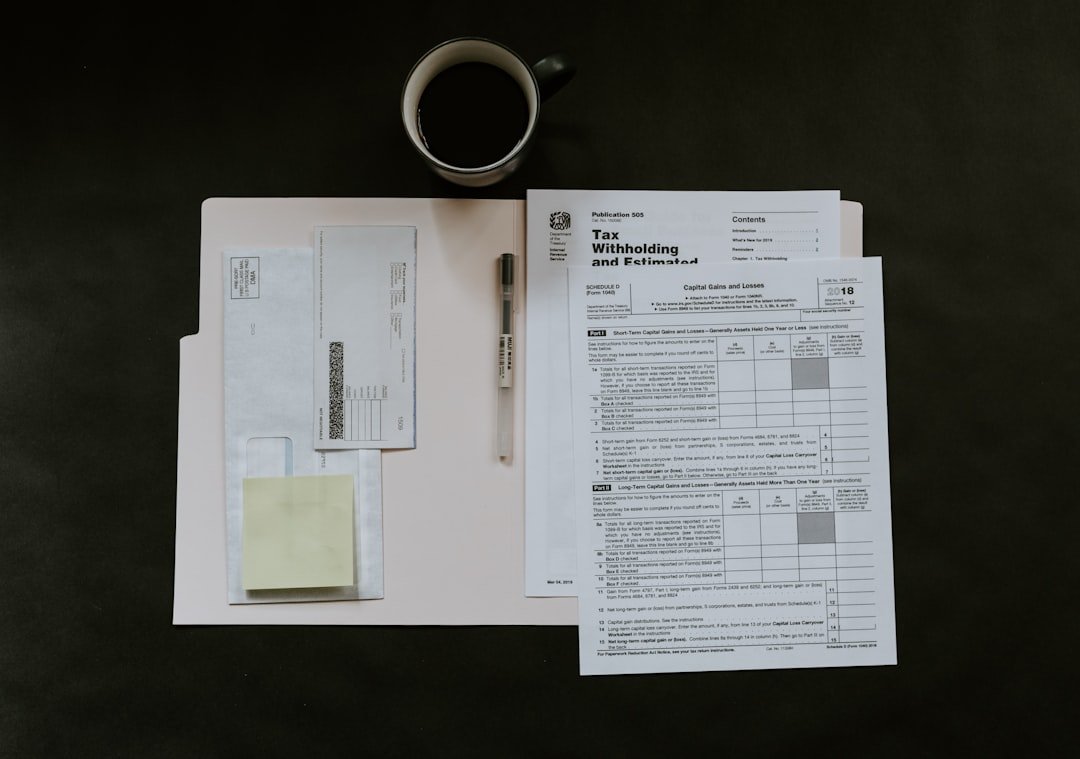
A legitimate repair estimate will itemize:
- Parts cost — listed by part name and price. You’re entitled to ask if these are OEM or aftermarket.
- Labor cost — typically expressed as hours at a specific hourly rate. Labor times are established by industry-standard labor guides (like Mitchell or AllData).
- Shop supplies / disposal fees — minor environmental and supply charges are standard and legitimate; excessive or vague fees are not.
- Tax — applied to parts in Oklahoma; check whether your shop taxes labor as well (practices vary).
When comparing estimates from multiple shops, make sure you’re comparing the same scope of work, the same quality of parts, and the same warranty terms. A lower price with cheap aftermarket parts and no warranty isn’t necessarily a better deal than a higher price with OEM parts and a two-year warranty.
Also understand that an estimate is not a final price — unexpected complications can arise during repair (a rusted bolt that breaks, revealing a secondary problem). A good shop will contact you before exceeding the estimate for these additional items, never just proceed and surprise you on the bill.
Oklahoma Consumer Protection Laws for Auto Repair
Oklahoma’s Motor Vehicle Repair Act (Title 47, Oklahoma Statutes) provides meaningful protection for vehicle owners. Key provisions include:
- Written estimate requirement: Shops must provide a written estimate before beginning work when requested by the customer.
- Authorization required for excess charges: Shops cannot charge more than the written estimate without contacting and receiving authorization from the customer.
- Return of replaced parts: Customers are entitled to request the return of replaced parts before the work begins (some recycled core parts may be exceptions).
- Itemized invoice: You’re entitled to an itemized invoice showing all parts and labor charges.
If you believe you’ve been overcharged or treated improperly by an auto repair shop in Oklahoma, you can file a complaint with the Oklahoma Attorney General’s Consumer Protection Unit. The AAA also maintains a network of Approved Auto Repair shops that agree to follow ethical business practices and submit to dispute resolution — worth checking if you’re selecting a new shop in an unfamiliar area.
How to Evaluate a Shop Before You Go
Before bringing your vehicle to any new shop, do basic due diligence:
- Google Reviews: Look at the overall rating but more importantly read the negative reviews. How does the shop respond? Defensive and dismissive responses reveal shop character. Gracious acknowledgment and resolution of complaints is a positive sign.
- How long has the business operated? Longevity in the same community is a strong indicator of customer satisfaction. You can’t stay in business for years in a small town by treating customers poorly.
- BBB Rating: The Better Business Bureau tracks complaint patterns. A shop with multiple unresolved complaints is a shop to avoid.
- Physical appearance: A well-organized, clean shop generally reflects the professionalism of the work done there. A chaotic, cluttered facility isn’t necessarily disqualifying, but it’s a data point.

Building a Long-Term Relationship With Your Mechanic
The most valuable mechanic relationship isn’t a transaction — it’s a partnership. A mechanic who knows your vehicle’s history, understands how you use it, and sees it regularly is able to catch developing problems before they become expensive failures, spot patterns across services, and give you honest guidance about when a repair is worth doing versus when it’s time to consider a different vehicle.
This kind of relationship develops when you find a shop you trust and stick with it. Bring all your maintenance to the same shop, be honest about how you use the vehicle (towing, off-roading, highway miles versus city), and ask questions. A mechanic who welcomes your questions and enjoys explaining what they found is a mechanic who’s proud of their work — and that’s exactly who you want working on your car.
Experience the Norm’s Auto Clinic Difference
At Norm’s Auto Clinic in Coweta, Oklahoma, we operate by a simple principle: treat every customer the way we’d want to be treated if we brought our own vehicle to a shop we didn’t know. That means written estimates, clear explanations, transparent pricing, and never recommending work that isn’t genuinely needed.
We’d love to earn your trust. Call us at (918) 279-8100 or stop by at 19 N. Broadway, Coweta, OK 74429. We serve drivers from Coweta, Broken Arrow, Wagoner, Muskogee, and the greater Tulsa area.