
Your auto repair invoice tells a story — and if you know how to read it, you’ll never be in the dark about what you paid for, whether the charges are fair, and whether anything looks wrong. Many Coweta drivers feel uncomfortable reviewing an invoice because the terminology is unfamiliar. This guide demystifies every line item so you can review any repair invoice with confidence.
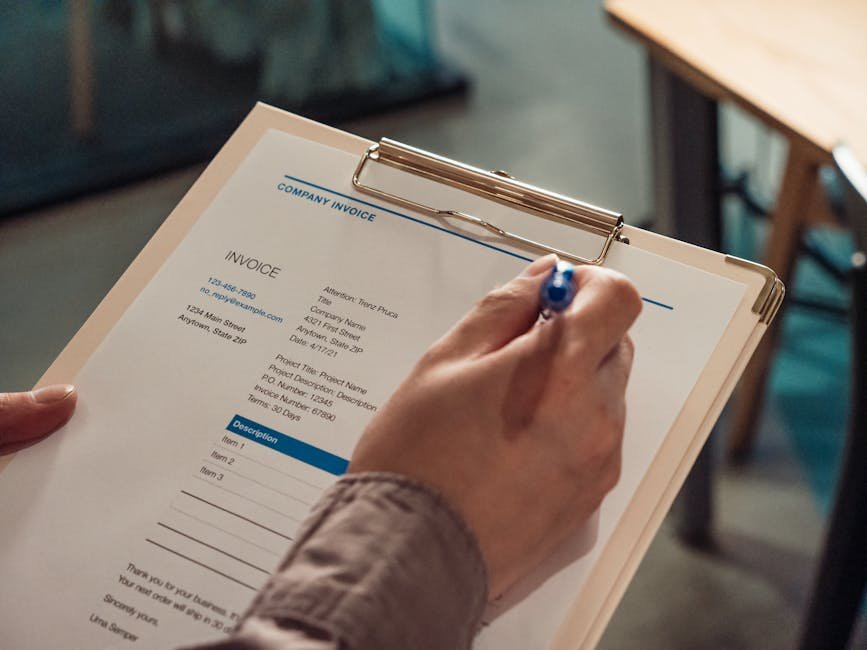
The Four Core Sections of Any Repair Invoice
Every legitimate repair invoice — whether from Norm’s Auto Clinic in Coweta or any other shop — should contain these four sections:
- Header information — Shop name, address, phone, your vehicle info (year/make/model/VIN), your name and contact info, invoice number, date, and mileage at drop-off
- Labor charges — Each job performed, the labor hours estimated, and the labor rate per hour
- Parts charges — Each part installed, part number, quantity, and unit price
- Summary totals — Subtotal for labor, subtotal for parts, any shop supplies or fees, taxes, and the final amount due
Understanding Labor Charges
Labor is typically the largest portion of most repair bills. Here’s what each element means:
Labor rate: The shop’s hourly charge for technician time. In the Coweta and greater Tulsa area, you’ll typically see rates ranging from to /hour for independent shops and to /hour for dealerships. Norm’s rates are competitive for our level of certification and equipment.
Labor hours: Most shops use a standardized labor time guide (Mitchell or AllData) that assigns a flat rate of hours to each job. “Flat rate” means you’re charged the published time regardless of whether the technician took more or less time. A brake job listed as 1.5 hours costs 1.5 hours of labor whether the tech finished it in 70 minutes or 110 minutes.
What to check: If the same repair appears twice (e.g., “remove and replace front brake pads” and “brake pad installation”), that may be a duplicate charge. One line item per repair job is standard.
Understanding Parts Charges
Part numbers: Each part should have a part number listed. You can verify this part number against online retailers (RockAuto, AutoZone) to compare the retail price. Keep in mind that shops legitimately mark up parts — typically 20–50% over their cost — as part of their business model. Asking to supply your own parts is generally not recommended and many shops decline it for warranty reasons.
OEM vs aftermarket notation: A good invoice notes whether each part is OEM or aftermarket and identifies the brand. “Bosch oxygen sensor” is more informative than “oxygen sensor.”
Core charges: On certain parts (batteries, alternators, starters, brake calipers), you’ll see a “core charge” — a deposit that’s refunded when the old part is returned. This should appear as a line item and should also show the core credit applied. If you see a core charge without the corresponding credit, ask about it.
Miscellaneous Fees — What’s Legitimate?
Beyond labor and parts, invoices sometimes include additional line items. Some are standard; others warrant a question:
- Shop supplies / environmental fee (legitimate): Covers consumables like rags, cleaning solvents, brake cleaner, gaskets, and proper disposal of fluids. A – flat fee or a percentage of the labor total (typically capped at –) is standard.
- Hazmat / fluid disposal (legitimate): Covers proper disposal of used oil, coolant, and brake fluid. Required by law and legitimately passed to the customer.
- Diagnostic fee (legitimate): Charged for the time to diagnose a problem, especially electronic diagnosis. Should be disclosed upfront and often credited toward the repair if you authorize the work.
- Storage fee (clarify before leaving your car): Some shops charge daily storage fees if a vehicle isn’t picked up within a certain period after completion. Should be disclosed upfront.
- Mystery fees with no explanation (ask about these): “Service charge,” “processing fee,” or vague line items without explanation deserve a question before you pay.
Red Flags on a Repair Invoice
- Parts listed without part numbers or brand names
- Labor charges significantly higher than the estimate you authorized
- Work performed that was not on the written estimate without your prior approval
- No warranty information listed for parts and labor
- Total doesn’t match the sum of listed line items
What to Do If Something Doesn’t Look Right
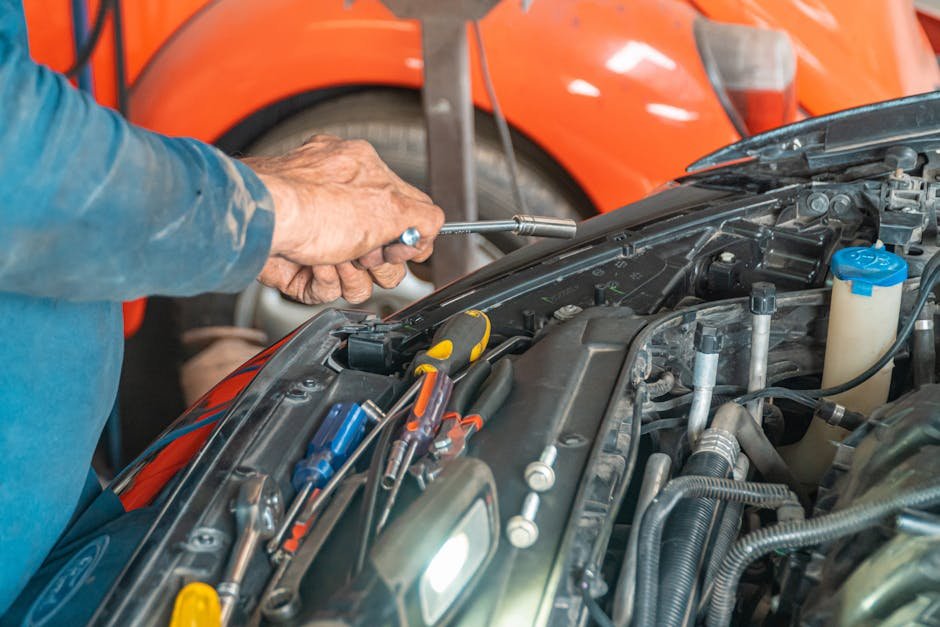
Ask before you pay. A reputable shop — and Norm’s Auto Clinic is one — welcomes questions about the invoice. If a charge surprises you, simply ask the service advisor to walk you through it. Legitimate charges have clear explanations. If a shop becomes defensive or evasive about line items, that’s a signal worth noting.
At Norm’s, we provide written estimates before any work begins and we call you for approval on any additional work discovered mid-repair. Your invoice should never surprise you. Call us at (918) 279-8100 or stop by 19 N. Broadway, Coweta, OK 74429 — transparent billing is something we’re proud of.