
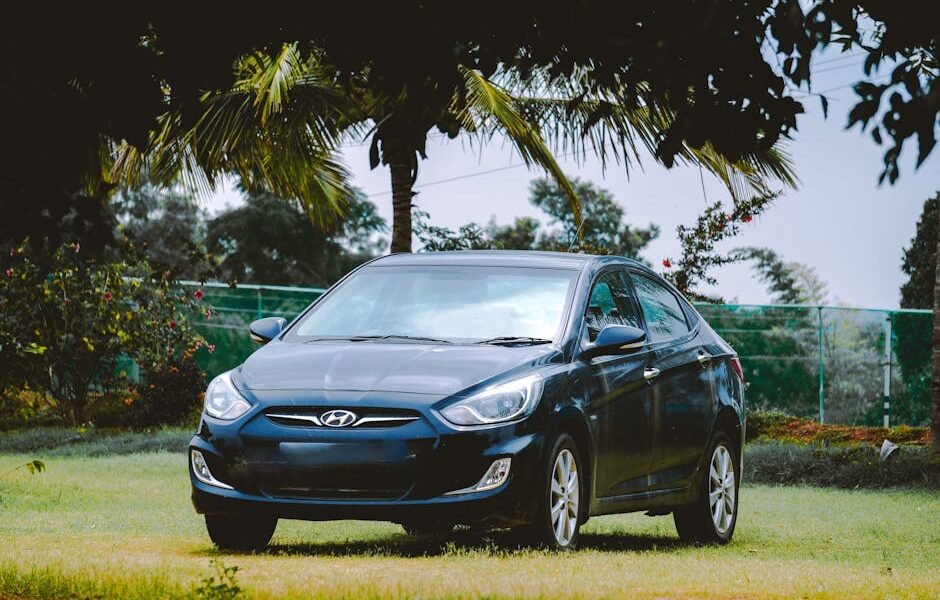
Hyundai has come a long way from its budget-brand days. The Sonata and Elantra are now legitimately competitive sedans — offering strong value, modern technology, and improving build quality. But like every vehicle, they have weak spots. If you drive a Hyundai Sonata or Elantra in the Coweta, Broken Arrow, or greater Tulsa area, knowing what to watch for can save you thousands in preventable repairs.
At Norm’s Auto Clinic, we service Hyundai vehicles regularly — and we see the same issues come up again and again. This guide covers the most common Hyundai Sonata and Elantra problems, what causes them, warning signs to watch for, and when to bring your vehicle in before a small issue becomes a big expense.
Hyundai Engine Problems: The Theta II Issue
The most significant known issue with Hyundai Sonatas (2011–2019) and some Elantras is a defect in the Theta II GDI and MPI engines. This engine family — found in the 2.0L and 2.4L models — has a manufacturing defect that can cause metal debris to circulate in the oil, leading to premature engine wear, knocking sounds, and in the worst cases, complete engine failure.
The problem is most likely to appear between 80,000 and 120,000 miles, though it can occur earlier. Warning signs include a knocking or ticking sound from the engine, low oil pressure warning light, and unusual vibration. Hyundai issued multiple recalls and extended warranties covering affected vehicles — but coverage varies by model year and VIN. If you own a 2011–2019 Sonata with the 2.4L engine, it’s worth having us check your VIN against the open recall database.
Modern Hyundai Smartstream engines (2020+) have largely addressed this issue, though they still benefit from strict oil change intervals. We recommend changing your oil every 5,000 miles with full synthetic — not stretching to 7,500 or 10,000 miles as some Hyundai dealers suggest for Oklahoma’s heat and stop-and-go driving conditions.
Transmission Hesitation and CVT Shudder
Many Hyundai Elantra models from 2017–2022 equipped with the dual-clutch transmission (DCT) have a well-documented hesitation and shudder problem, especially during low-speed acceleration from a stop. This jerky, hesitant feel is caused by the DCT’s clutch engagement calibration, and it was the subject of a class-action lawsuit that resulted in an extended warranty on the transmission for affected vehicles.
Sonatas with the eight-speed automatic transmission are generally smoother, but rough shifting, delayed engagement after a cold start, and transmission fluid degradation are issues to watch at higher mileages. A transmission fluid change every 40,000–60,000 miles (not just when it ‘looks dirty’) is one of the single most effective ways to protect your Hyundai’s drivetrain in Oklahoma’s climate.
If your Hyundai hesitates, shudders, or shifts roughly, bring it in for a transmission inspection. In many cases, a software update or fluid change resolves the issue — but waiting allows real mechanical damage to develop.
Electrical Issues and Infotainment Glitches
Hyundai’s BlueLink infotainment system and various electrical components have been the source of multiple recall campaigns and owner complaints. The most common electrical issues include the 12V battery dying prematurely (caused by parasitic drain from the BlueLink telematics module), infotainment screen freezing or going black, and various dashboard warning lights triggered by faulty sensors.
The parasitic battery drain issue is particularly frustrating because it can leave you stranded with a dead battery even in a relatively new car. Hyundai extended the warranty on the 12V battery and associated components on some models, but if your Sonata or Elantra battery keeps dying, have us test both the battery and charging system before you simply replace the battery — the root cause may be the drain, not the battery itself.
We also commonly see failing oxygen sensors, a malfunctioning EVAP purge valve (which sets a P0441 or P0446 code), and ABS wheel speed sensors that corrode in Oklahoma’s road conditions. All of these are straightforward repairs that can prevent your check engine light from becoming a recurring problem.
Rust, AC Problems, and Other Oklahoma-Specific Issues
Oklahoma’s weather extremes — brutal summers, occasional ice storms, and wide temperature swings — are hard on any vehicle. Hyundai Elantras from 2017–2020 had known rust issues on the rear subframe and suspension components, which Hyundai addressed with a recall on affected VINs. If you have an older Elantra, it’s worth having the undercarriage inspected during your next service visit.
Air conditioning failures are very common in older Hyundais, particularly the AC compressor, which tends to fail around 80,000–100,000 miles. Given Oklahoma’s 100°+ summer temperatures, a failing AC isn’t just uncomfortable — it can be dangerous. Signs of impending AC failure include the system blowing cool but not cold, intermittent cooling, or a squealing sound from the compressor area.
Hyundai wheel bearing failures are also more common than average on 2012–2017 Elantras. A grinding or humming noise that changes with vehicle speed — especially on turns — is a classic wheel bearing symptom. Left untreated, a failed wheel bearing can lead to wheel separation, which is a serious safety hazard.
Hyundai Service at Norm’s Auto Clinic — Coweta, Oklahoma
Our certified technicians have extensive experience servicing Hyundai vehicles and staying current on the most common issues, active recalls, and service campaigns. We use quality OEM-equivalent parts, and we’ll never recommend a repair you don’t need — we’ll explain what we found, show you the evidence, and let you make the decision.
Whether you need an oil change, transmission fluid service, engine diagnostic, or a more complex repair on your Sonata or Elantra, Norm’s Auto Clinic offers dealer-level expertise at a fair independent shop price. We serve Coweta, Broken Arrow, Wagoner, Muskogee, and the entire Tulsa metro area.
Call us at (918) 279-8100 or stop by at 11150 S 265th E Ave, Coweta, OK 74429 — Monday through Friday, 8am–5pm. We look forward to keeping your Hyundai running right.