
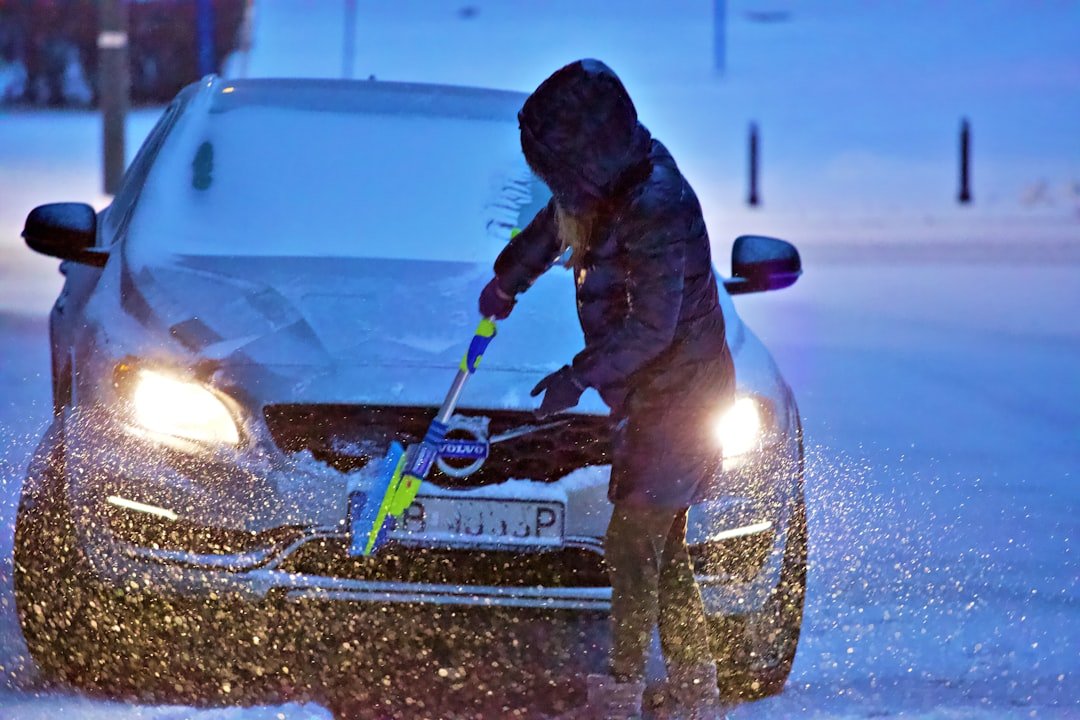
Oklahoma ice storms are a different kind of weather event than the winter storms most of the country deals with. Rather than snowfall you can plow and drive on, Oklahoma ice storms coat everything in a glaze of freezing rain — every road surface, every branch, every car becomes a skating rink. The 2021 February ice storm that devastated the state is a reminder that these events can be life-threatening and last for days. At Norm’s Auto Clinic in Coweta, Oklahoma, we help drivers in Wagoner County and the Tulsa area prepare their vehicles before ice season — here’s what you need to know.
Vehicle Preparation Before Ice Storm Season
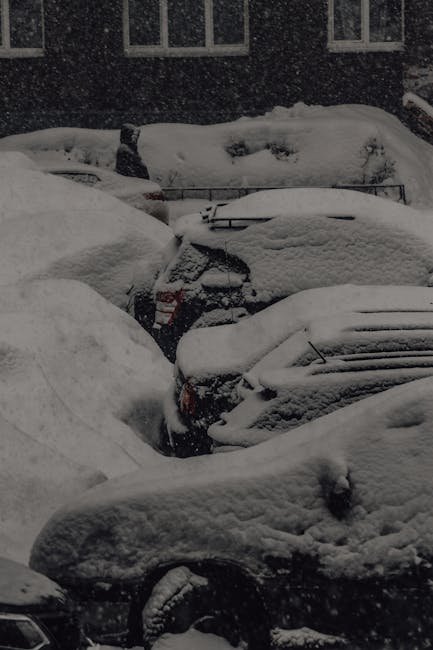
Battery — Your Most Critical Cold-Weather Component
Cold temperatures reduce battery cranking power dramatically. At 0 degrees Fahrenheit, a battery delivers only about 40% of its rated cranking amps. An ice storm that drops temperatures to single digits and then leaves your vehicle sitting in those conditions for 12–24 hours will challenge any marginal battery — and may prevent a weak one from starting at all. Have your battery tested before October. If it’s 4+ years old or tests below specification, replace it before ice season, not during.
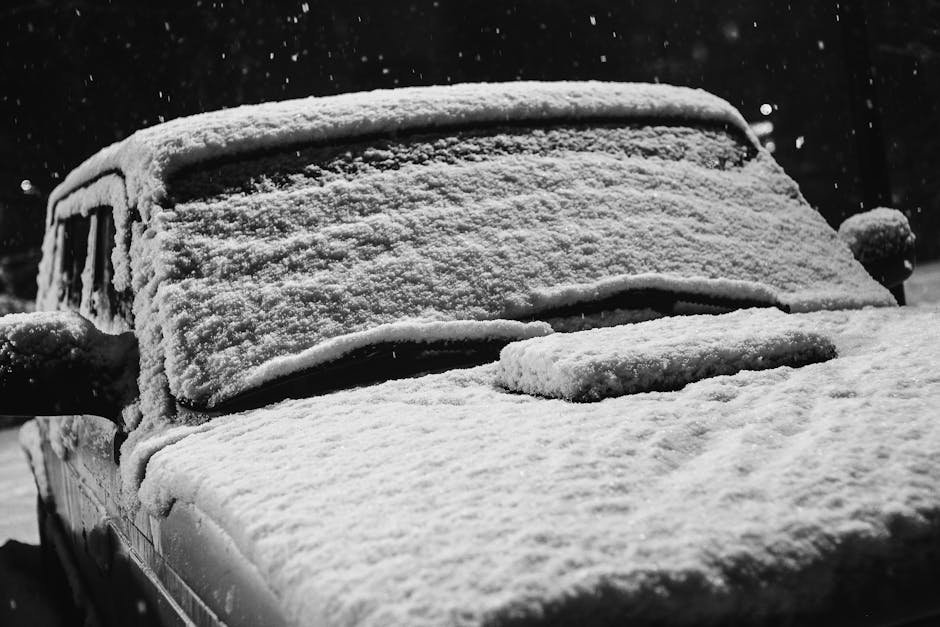
Antifreeze Protection Level
Verify your coolant protects to well below the coldest temperature you’ll likely see. A 50/50 mix of coolant and water protects to approximately -34 degrees Fahrenheit — more than sufficient for Oklahoma winters. If you’re not sure of your coolant’s mix ratio or age, have it tested. Inexpensive antifreeze test strips or a refractometer check at a shop takes minutes. Oklahoma ice storms can send temperatures plunging to single digits quickly.
Wiper Blades and Defrost
Standard wiper blades can get loaded with ice during a storm, losing contact with the windshield. Winter wiper blades use a covered frame design that prevents ice accumulation in the blade mechanism. They’re inexpensive and make a significant difference in visibility during active freezing rain. Verify your rear defroster and front defroster (including heated washer fluid nozzles if equipped) work before the season. Running winter washer fluid rated to at least -20 degrees prevents frozen nozzles.
Tires and Traction
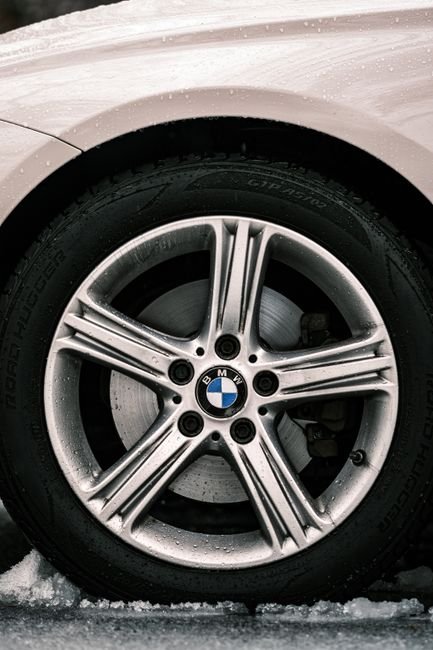
On ice, tire tread depth matters less than tire compound — winter tires use a rubber compound that stays flexible in freezing temperatures, dramatically improving grip on ice compared to standard all-season tires. Most Oklahoma drivers don’t invest in dedicated winter tires since ice events are unpredictable and limited in duration. At minimum, ensure your all-season tires have adequate tread (4/32″ or more) before winter. Tires with less than 2/32″ tread are dangerous on ice regardless of type.
Driving During an Oklahoma Ice Storm — Safety Guidelines
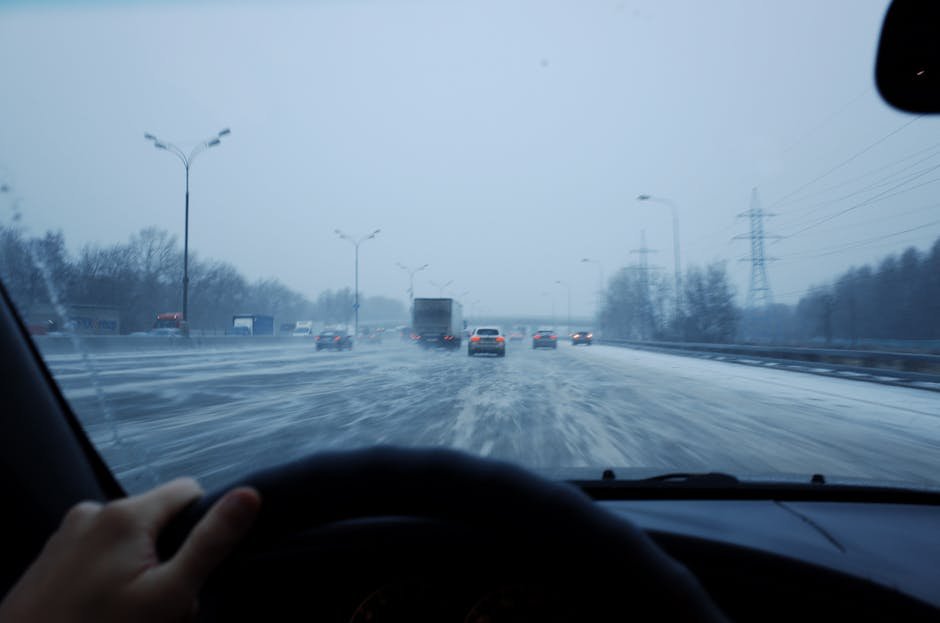
The safest choice during an active ice storm is not to drive at all. Oklahoma ice storms coat road surfaces that often look just slightly wet — until your wheels lose traction. If you must drive during or immediately after an ice storm:
- Reduce speed significantly: At 25 mph on ice with standard tires, stopping distance increases 8–10 times compared to dry pavement. What would stop you in 100 feet on dry road may take 800–1,000 feet on ice at the same speed.
- Increase following distance: Triple or quadruple your normal following distance on ice — the vehicle ahead may stop or lose control without warning.
- Brake gently and early: Threshold braking (firm but not hard braking) gives ABS the best chance to work. Avoid hard, sudden braking.
- Don’t use cruise control: Cruise control on ice can accelerate wheels if they lose grip, increasing the risk of loss of control.
- Know how to handle a skid: In a front-wheel-drive vehicle skidding front-end first, ease off the accelerator. In a rear-wheel-drive vehicle with rear-end slide, steer into the direction of the slide and ease off the gas.
What to Keep in Your Car During Ice Storm Season
- Ice scraper — a quality scraper with a long handle, not a credit card
- Blanket or sleeping bag (in case you’re stranded)
- Jumper cables or portable jump starter
- Small bag of sand, kitty litter, or traction mats for tire grip if stuck
- Flashlight with fresh batteries
- Water and snacks
- Phone charger (car or backup battery)
- Small shovel if you park outside
After the Ice Storm: What to Check
Oklahoma’s freeze-thaw cycle following an ice storm hits roads hard. Within weeks, potholes often appear where ice and water worked into existing cracks in the asphalt. After the ice melts, check your alignment (pull to one side indicates impact damage from rough roads), listen for new suspension noises, and inspect tires for damage. Spring is a good time for a full inspection at Norm’s Auto Clinic to assess any winter weather damage.
Pre-Winter Inspection at Norm’s Auto Clinic
Norm’s Auto Clinic serves Coweta, Broken Arrow, Wagoner, Muskogee, and the Tulsa metro area. We provide pre-winter vehicle inspections that cover battery, antifreeze, tires, brakes, and all safety systems — everything you need checked before Oklahoma’s ice storm season arrives. Visit us at 19 N. Broadway, Coweta, OK 74429 or call (918) 279-8100.