
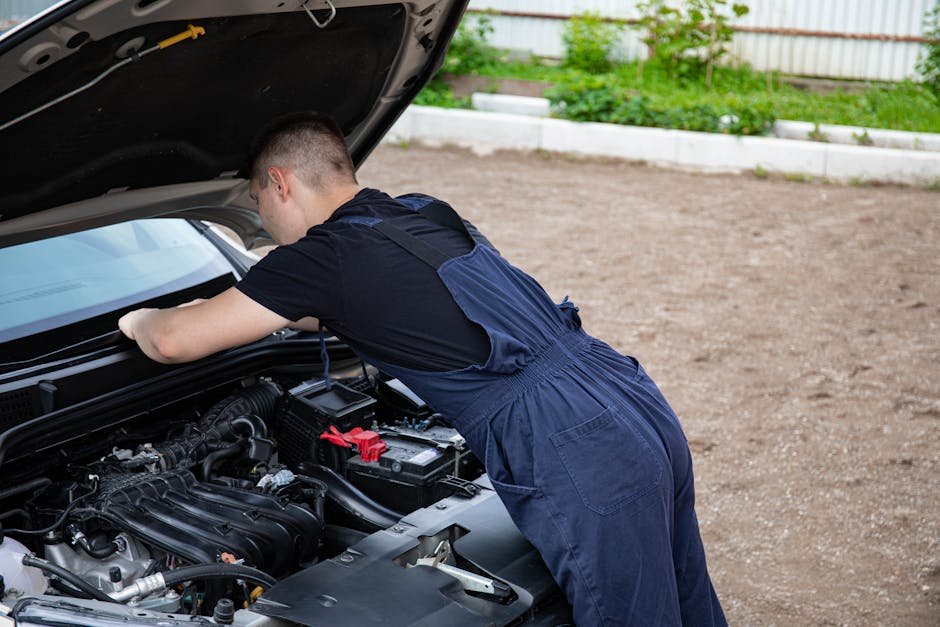
Japanese vehicles — Toyota, Honda, Nissan, Mazda, Subaru, and Mitsubishi — dominate the roads of Coweta, Wagoner County, and the Tulsa metro area for good reason. They’re engineered for longevity, fuel efficiency, and low maintenance cost. But “low maintenance” doesn’t mean “no maintenance,” and there are specific care practices that apply to Japanese vehicles that help them achieve their legendary 200,000+ mile lifespans. At Norm’s Auto Clinic in Coweta, Oklahoma, we’ve serviced Japanese vehicles for decades and know exactly what these cars need to thrive in Oklahoma’s demanding climate.
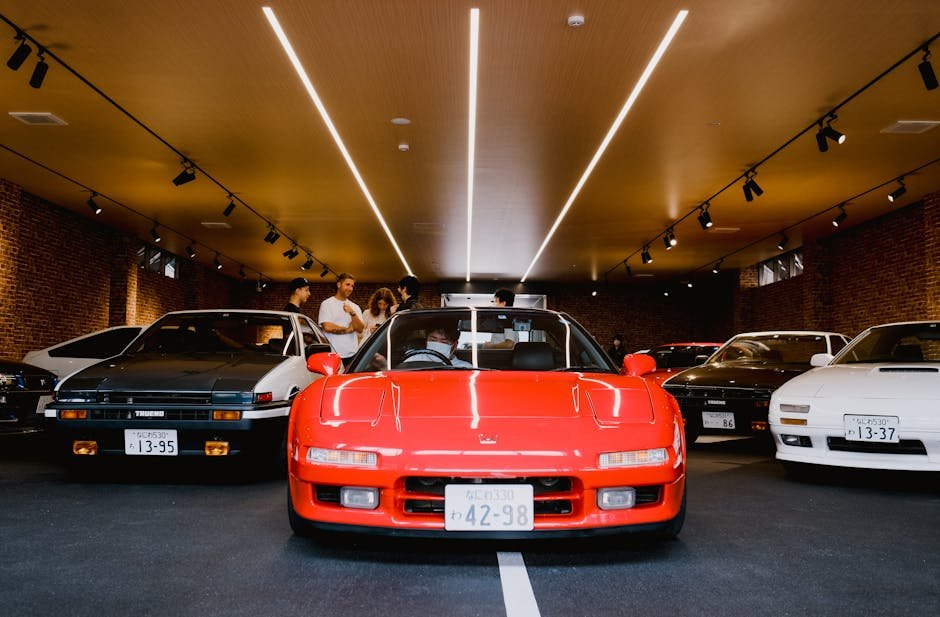
Why Japanese Cars Last So Long

The longevity of Japanese vehicles isn’t magic — it comes from several engineering and manufacturing principles that reward proper maintenance:
- Conservative engine tuning: Most Japanese engines are intentionally under-stressed relative to their displacement. A 2.4L Honda K24 produces around 190 hp — not because it couldn’t produce more, but because running it at 80% of peak capacity means less heat, less wear, and more miles
- Tight manufacturing tolerances: Japanese manufacturers — particularly Toyota — have historically invested heavily in quality control at the manufacturing level, resulting in engines and transmissions that remain tight longer
- Maintenance-forward design: Most Japanese vehicles are designed to make routine maintenance accessible. Oil filters, drains, and common wear items are typically easy to reach
- Proven technology: Japanese brands are generally slow to adopt unproven technology in their mainstream vehicles — they use what works, tested extensively before release
Oklahoma-Specific Maintenance Considerations for Japanese Cars
Heat and Oil Viscosity
Japanese manufacturers increasingly specify thin oils — 0W-20 and 0W-16 — for fuel economy. These specifications were tested under average global conditions, not Oklahoma’s 105-degree July afternoons. In extreme Oklahoma heat, particularly for vehicles doing a lot of stop-and-go driving in summer, a move to 5W-30 full synthetic (if your vehicle permits it per the owner’s manual) may provide slightly better film strength at high temperatures.
More importantly: change your oil more frequently in summer. The manufacturer’s 10,000-mile or 15,000-mile synthetic oil change interval assumes moderate conditions. In Oklahoma, 5,000-mile changes protect against the oxidation that happens faster in high heat — especially in turbocharged models like the Subaru Outback or Honda CR-V 1.5T.
Cooling System Attention
Oklahoma summers put extreme stress on cooling systems. Japanese vehicles typically use aluminum radiators and aluminum or plastic coolant tanks — both of which can develop leaks as they age and experience repeated heat cycles. The coolant in most Japanese vehicles should be flushed every 5 years regardless of mileage. We see a significant number of overheating incidents in June and July from Japanese vehicles with coolant that hasn’t been changed in 7–10 years.
Before summer each year, a cooling system pressure test and coolant quality check are worthwhile. These take 20 minutes and cost less than — far less than a blown head gasket from overheating, which can run ,500–,000 on a Japanese 4-cylinder.
AC Maintenance
Japanese vehicles are not exempt from AC system wear in Oklahoma’s heat. The AC compressor on a Toyota Camry or Honda Accord running from May through October in Coweta sees far more operating hours per year than the same vehicle in Seattle. Annual pre-summer AC checks — refrigerant charge, compressor clutch engagement, condenser condition — prevent the summer’s worst surprise: an AC failure during a 105-degree week.
Transmission Fluid — Don’t Skip It
Japanese manufacturers have been inconsistent in their official guidance on transmission fluid changes. Toyota’s “World Standard” (WS) fluid is technically “lifetime fill” per the official spec — but independent mechanics universally recommend changing it every 60,000 miles, and in towing or heavy use, every 30,000. Honda is more explicit: their transmissions require fluid changes, but the specified interval is often extended beyond what’s ideal in Oklahoma’s heat.
Our recommendation for all Japanese vehicles in Oklahoma: change transmission fluid every 30,000–40,000 miles using the correct manufacturer-specified fluid. For CVT-equipped vehicles (most newer Nissan, Honda, and Subaru models), use the specified CVT fluid only — no substitutes.
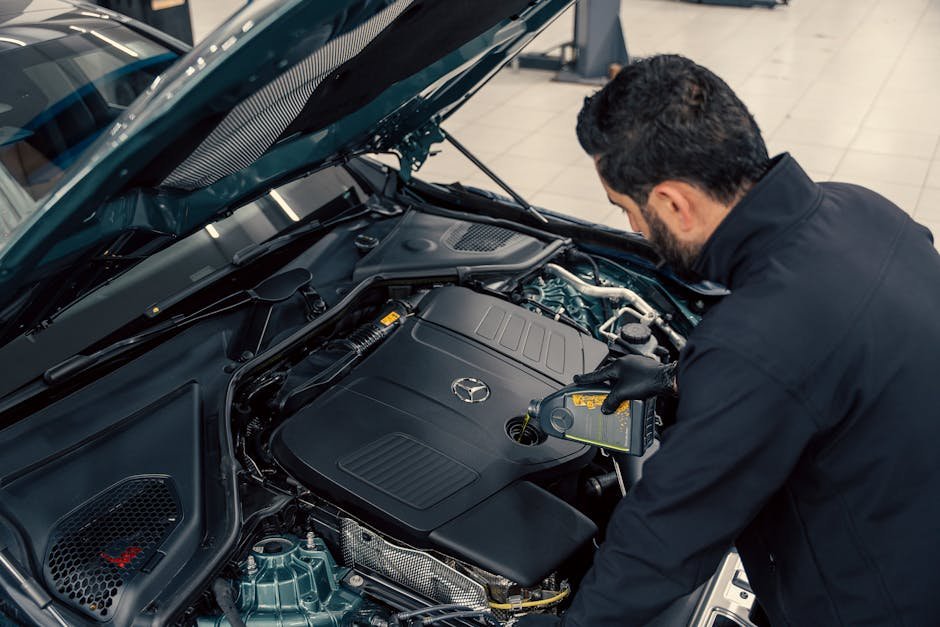
Brand-Specific Tips for Oklahoma Japanese Vehicle Owners
Toyota
- Use Toyota WS transmission fluid only — no generic ATF
- Watch for the 2AZ-FE oil consumption issue (2002–2011 Camry, RAV4)
- Inspect drive belt tensioner at 100,000 miles — common failure on older 4-cylinders
- Replace spark plugs at 60,000 miles on Tundra/Tacoma V8 — the coil-on-plug system is sensitive to worn plugs
Honda
- Use Honda-spec ATF only (DW1 for most modern models, Z1 for older)
- Check oil level monthly on VCM-equipped models (Pilot, Odyssey, 2005–2010 Accord V6)
- Smell the CR-V 1.5T’s oil monthly if doing short trips — gasoline dilution is real in this engine
- Replace brake fluid every 3 years — Honda’s brake system is highly sensitive to moisture contamination
Subaru
- Change oil every 4,000–5,000 miles even with synthetic — Subaru’s boxer engines consume more oil than most and are sensitive to extended intervals
- Head gasket inspection at 100,000 miles is wise on 2000–2011 models (particularly 2.5L non-turbo)
- AWD differential and transfer case fluid changes every 30,000 miles are essential in Oklahoma
Nissan
- Change CVT fluid every 30,000 miles using only Nissan NS-3 or NS-2 fluid
- The 3.5L V6 in Altima and Maxima is excellent but watch for ignition coil failures around 90,000 miles
- Rear strut replacement is often needed by 80,000–100,000 miles on Oklahoma roads
Japanese Vehicle Service at Norm’s Auto Clinic, Coweta OK
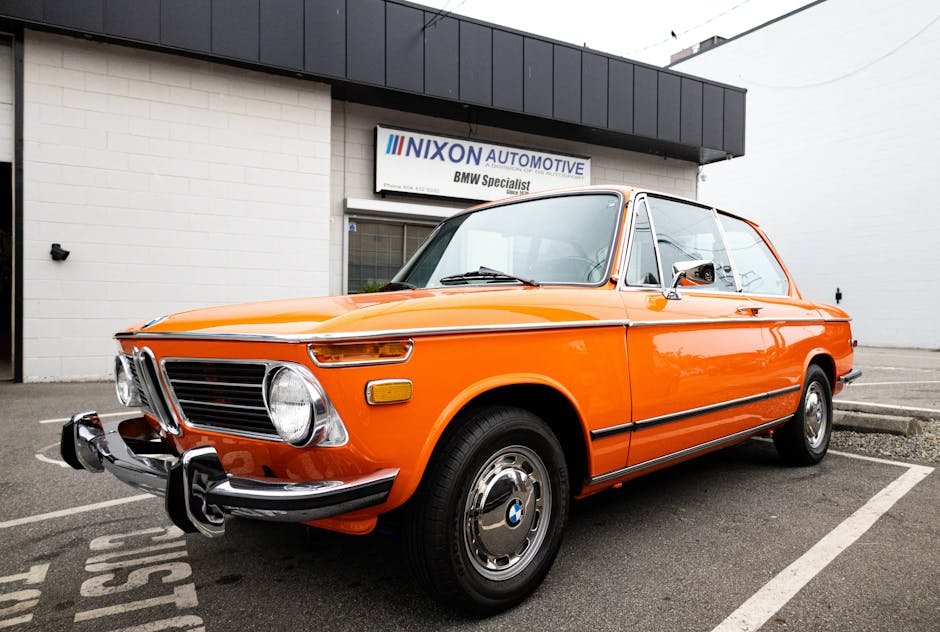
Norm’s Auto Clinic at 19 N. Broadway, Coweta, OK 74429 services all major Japanese brands — Toyota, Honda, Nissan, Mazda, Subaru, Mitsubishi, Lexus, Acura, and Infiniti. We stock manufacturer-spec fluids, use professional diagnostic equipment, and have decades of experience keeping Japanese vehicles running reliably in Oklahoma’s demanding climate.
Call us at (918) 279-8100 for your Japanese vehicle’s next service in Coweta, Broken Arrow, Wagoner, or the greater Tulsa area.