
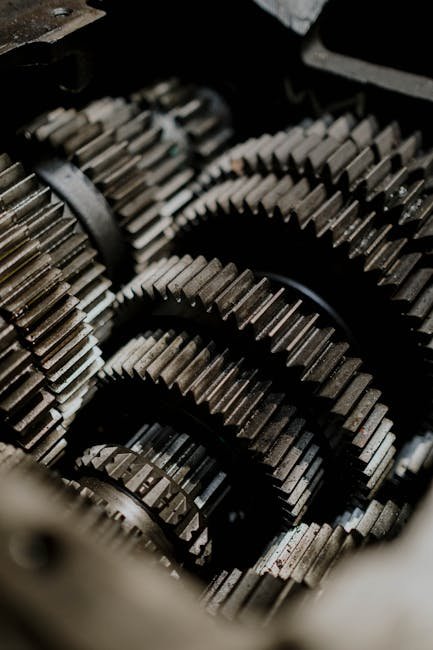
Manual transmissions are mechanically simpler than automatics, but they develop their own distinct set of problems — and the symptoms are often unmistakable once you know what to listen and feel for. At Norm’s Auto Clinic in Coweta, Oklahoma, we service manual transmissions for drivers across Wagoner County, Broken Arrow, and the Tulsa area.
Common Sounds and Feelings That Signal Manual Transmission Trouble

Grinding When Shifting Gears
The most commonly reported manual transmission symptom. A grinding noise when changing gears usually points to clutch problems rather than the transmission itself. If the clutch isn’t fully disengaging when you push the pedal, the input shaft is still spinning when you try to engage the next gear — causing the synchronizer to grind against the spinning gear.
Grinding can also indicate worn synchronizer rings inside the transmission. Synchronizers match the speed of the gear to the shaft before engagement. When they wear out, grinding occurs even with a properly working clutch. Transmission teardown is required for synchronizer replacement.
Difficulty Getting Into Gear
If the shifter is stiff or hard to push into gear — especially when the vehicle is moving — the clutch hydraulics may be low on fluid, or the clutch master or slave cylinder may be failing. On cable-operated clutches, a stretched or frayed cable can cause similar symptoms. In some cases, difficulty getting into gear (especially reverse) can indicate worn shift forks inside the gearbox.
Gear Pops Out While Driving
If the transmission pops out of gear on its own — particularly under load during acceleration — this is a serious mechanical problem. Worn gear teeth, a damaged detent mechanism, or worn shift forks can all cause spontaneous disengagement. This is not a problem to drive through. A transmission that pops out of gear unexpectedly is a safety hazard and will worsen quickly if not repaired.
Clutch Slipping
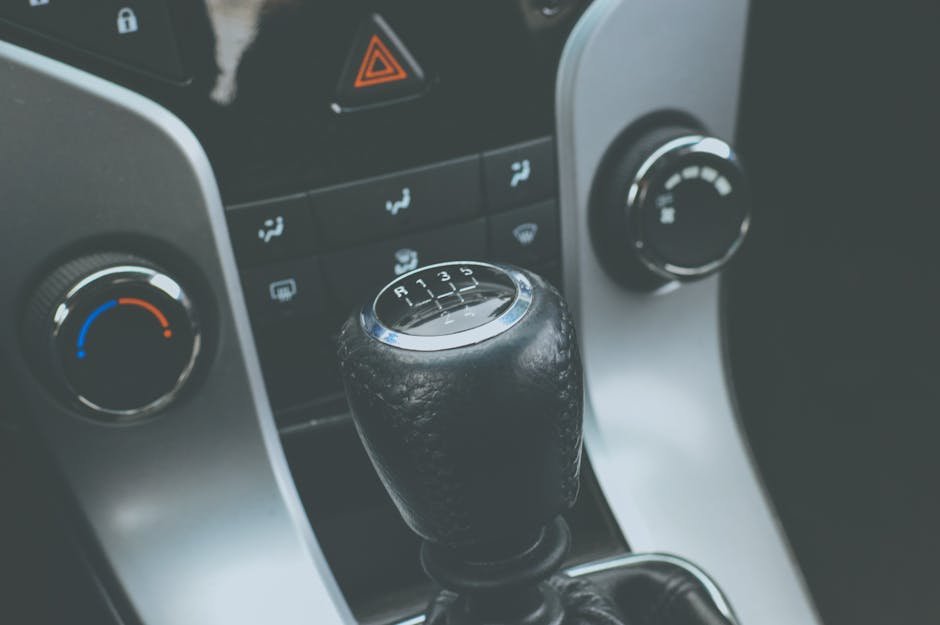
Clutch slipping in a manual transmission feels similar to automatic transmission slipping — engine RPMs rise without corresponding acceleration. The clutch disc’s friction material wears over time and eventually cannot transfer full engine torque to the drivetrain. A burning smell during hard acceleration is a classic sign of a slipping clutch.
Clutch life varies widely depending on driving habits. Aggressive driving in stop-and-go traffic, riding the clutch pedal, and poor hill starts all accelerate wear. In Oklahoma driving conditions — particularly around Tulsa’s traffic and Wagoner County’s rural roads — clutch life of 60,000–120,000 miles is typical depending on usage.
Clutch Pedal Problems
A clutch pedal that sinks to the floor without resistance, won’t return fully, or vibrates heavily usually indicates hydraulic system issues — a failing clutch master cylinder, slave cylinder, or a leak in the hydraulic line. A high catch point that has moved noticeably higher than before suggests the clutch is nearly worn and needs replacement soon.
Noises in Neutral With Clutch Released
A rattling or rumbling noise when sitting in neutral that disappears when you push the clutch pedal in is typically a failing pilot bearing or input shaft bearing. The bearing supports the input shaft where it meets the flywheel — when it wears, it makes noise under load (in gear) and changes character when the clutch is depressed.
Manual Transmission vs Clutch: Knowing Which Needs Service
Most manual transmission “problems” are actually clutch problems, which is good news — clutch replacement is far less expensive than rebuilding the gearbox. A proper diagnosis that identifies whether the issue is in the clutch assembly or the transmission itself saves you from paying for unnecessary work.
- Clutch replacement (disc, pressure plate, throwout bearing): $400–$900 depending on vehicle
- Clutch hydraulic repair (master/slave cylinder): $200–$500
- Synchronizer replacement: $500–$1,500 — requires transmission removal
- Full manual transmission rebuild: $1,500–$3,500
Diagnosis at Norm’s Auto Clinic
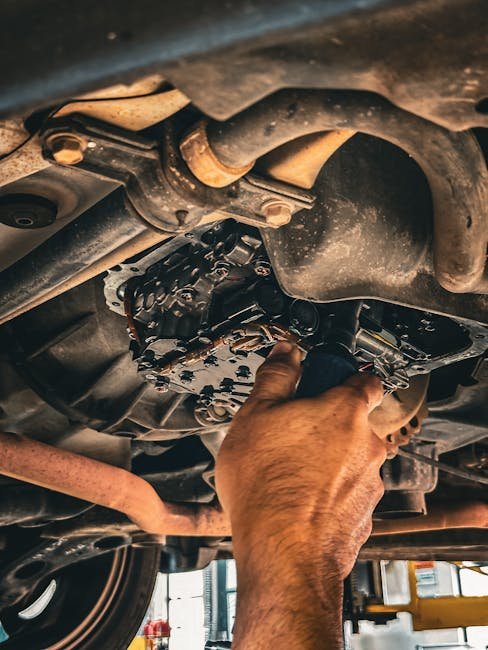
Bring your vehicle to Norm’s Auto Clinic at 19 N. Broadway, Coweta, OK 74429 or call (918) 279-8100. We’ll do a thorough clutch and manual transmission inspection — test drive, clutch engagement check, and visual inspection of hydraulics — to tell you exactly what’s causing the problem before any work begins.