
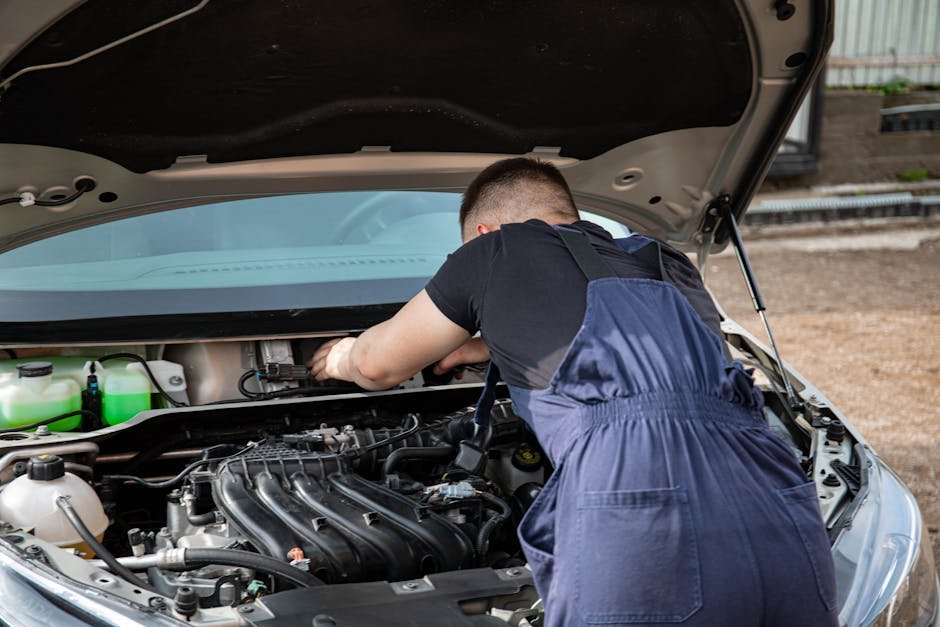
Oxygen sensors are small but essential components that give your engine’s computer real-time data about combustion efficiency. When they fail, your engine runs less efficiently, your fuel economy drops, and you’ll likely see the check engine light. At Norm’s Auto Clinic in Coweta, Oklahoma, we diagnose oxygen sensor failures accurately and replace them correctly — with the right sensors for your specific vehicle.
What Oxygen Sensors Do
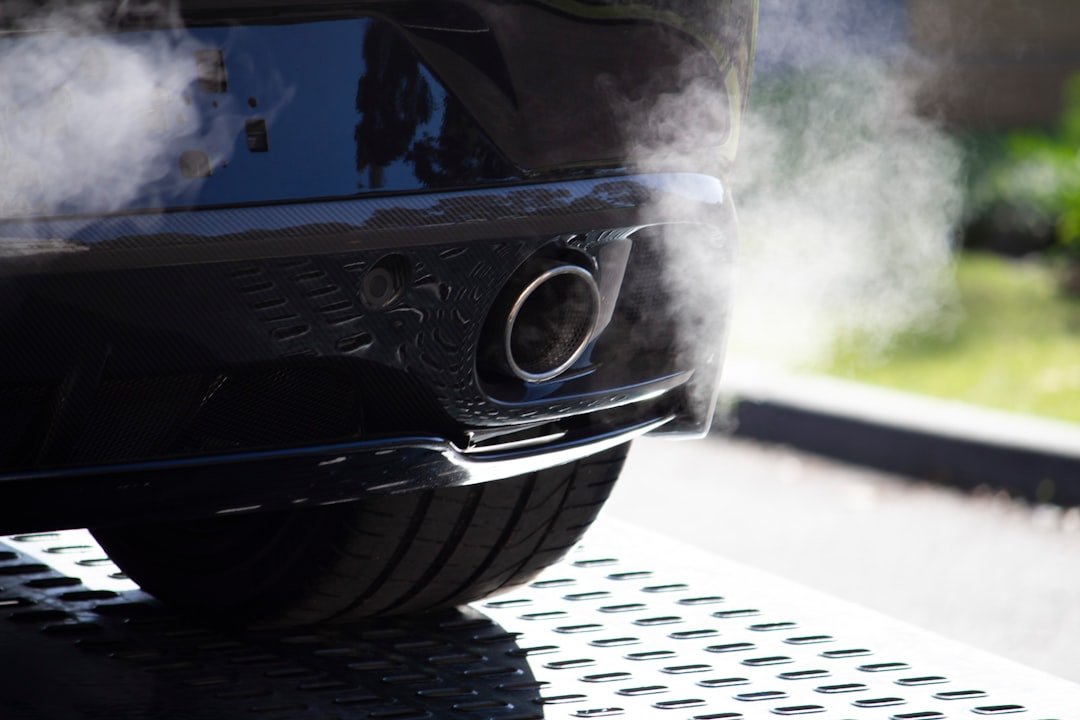
Oxygen sensors (O2 sensors) measure the oxygen content of exhaust gases and send that data to the engine control module (ECM). The ECM uses this information to adjust the air-fuel mixture in real time — adding more or less fuel to maintain the ideal 14.7:1 air-to-fuel ratio (stoichiometric ratio) for maximum efficiency and lowest emissions.
Modern vehicles have at least two oxygen sensors: an upstream sensor (before the catalytic converter) that feeds fuel trim data to the ECM, and a downstream sensor (after the catalytic converter) that monitors catalytic converter efficiency. Many vehicles with multiple exhaust banks (V6, V8) have four oxygen sensors total.
Symptoms of a Failing Oxygen Sensor
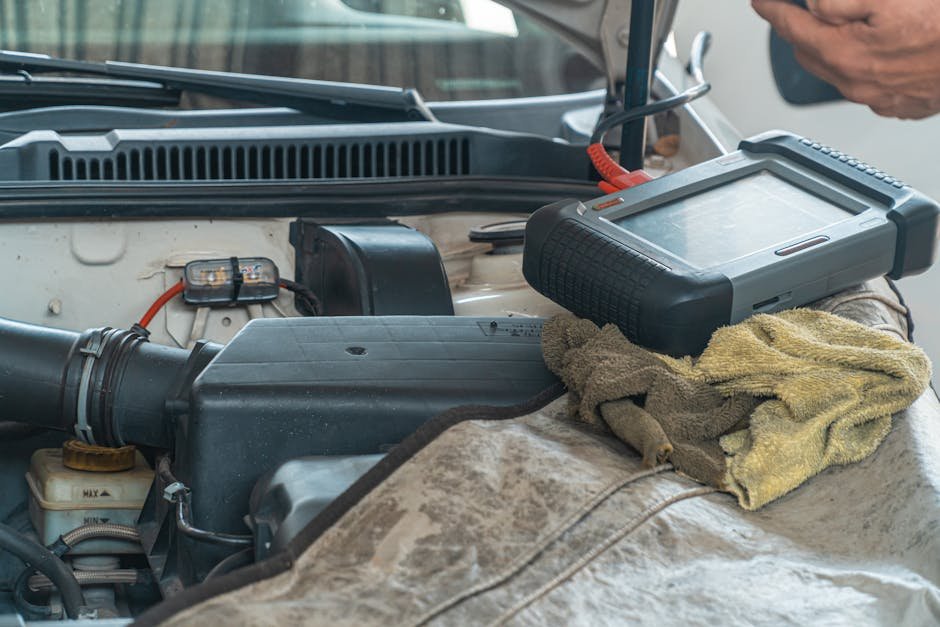
- Check engine light — O2 sensor trouble codes are among the most common: P0130–P0167 range covers upstream and downstream sensors on all banks
- Reduced fuel economy — A failed upstream sensor leaves the ECM running open-loop (using fixed fuel maps instead of real-time adjustment), typically causing richer fuel mixture and worse MPG
- Rough idle or engine hesitation — Incorrect fuel mixture affects combustion quality
- Failed emissions test — Oxygen sensor issues commonly cause Oklahoma state emissions test failures
- Rotten egg smell from exhaust — Rich running from a failed sensor can overwhelm the catalytic converter, producing hydrogen sulfide smell
Oxygen Sensor Replacement Intervals
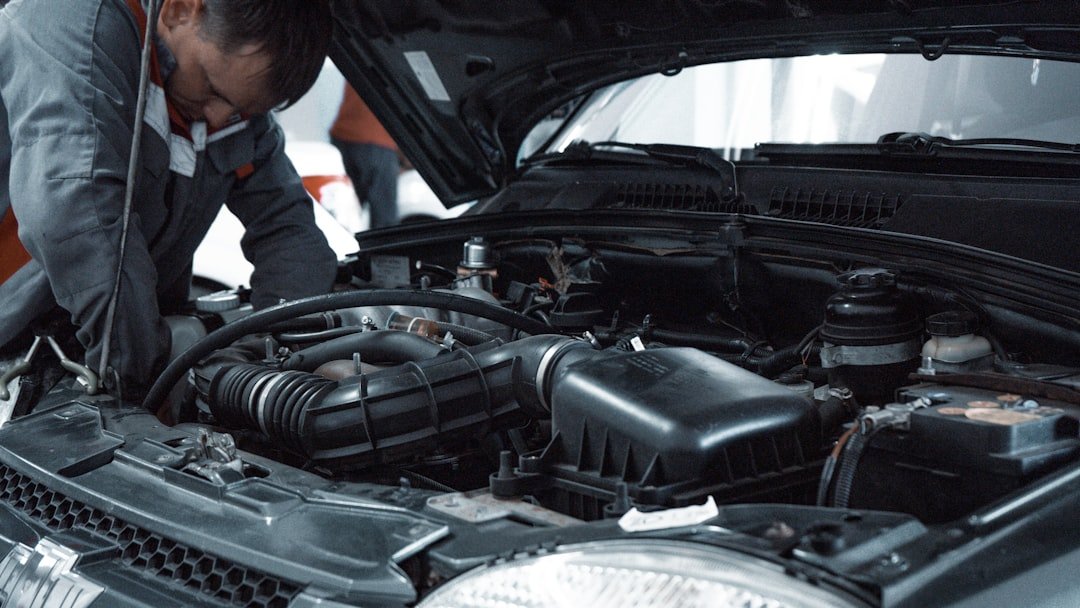
Original equipment (OE) oxygen sensors are designed for approximately 100,000 miles of service life. However, oil consumption, coolant leaks, contaminated fuel, or high-mileage use can shorten this significantly. Symptoms before 100,000 miles always warrant diagnosis — don’t assume the sensor is fine just because it hasn’t hit the mileage marker.
For high-mileage vehicles (120,000+ miles), proactive oxygen sensor replacement is worth considering as part of a reliability restoration strategy — even without active trouble codes, aging sensors can contribute to marginal fuel economy and borderline emissions performance.
Using the Right Sensor Matters
Oxygen sensor compatibility is more complex than it appears. There are wideband sensors and narrowband sensors; heated and unheated variants; sensors with different connector types and thread pitches. Using a generic “universal fit” sensor with an incorrect calibration can cause the ECM to receive incorrect data — worse than the failed original in some cases. We use vehicle-specific sensors that meet or exceed OEM specifications.
Norm’s Auto Clinic performs oxygen sensor diagnosis and replacement on all makes and models. Visit us at 19 N. Broadway, Coweta, OK 74429, or call (918) 279-8100. Serving Coweta, Broken Arrow, Wagoner, and the greater Tulsa area.