
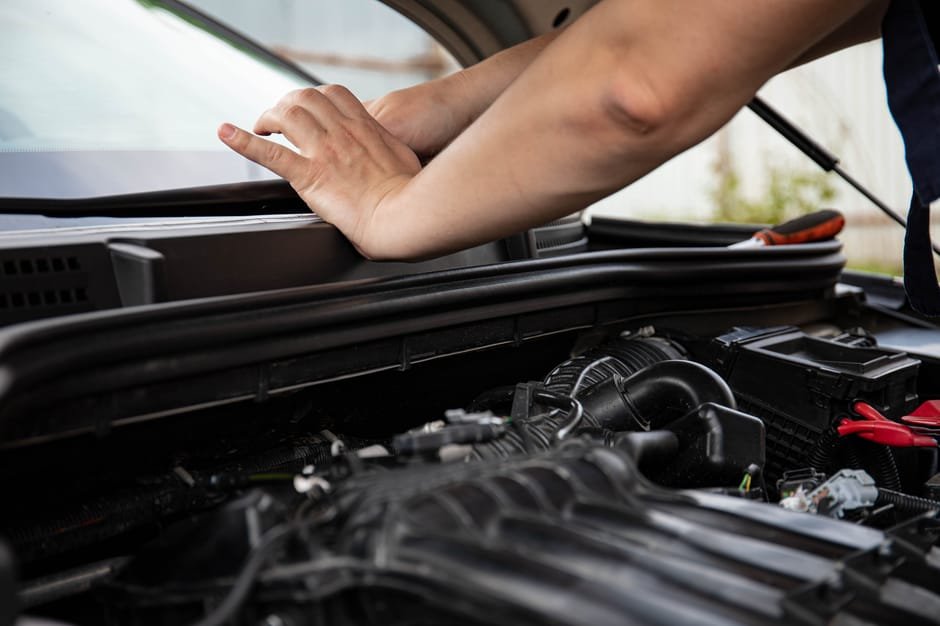
The serpentine belt is one of the most hardworking components in your engine — a single continuous belt that drives the alternator, power steering pump, air conditioning compressor, and water pump simultaneously. When it fails, it doesn’t just cause one problem — it causes all of them at once, often stranding you on the side of the road. At Norm’s Auto Clinic in Coweta, Oklahoma, we inspect and replace serpentine belts before they leave you stranded.
What Does the Serpentine Belt Do?
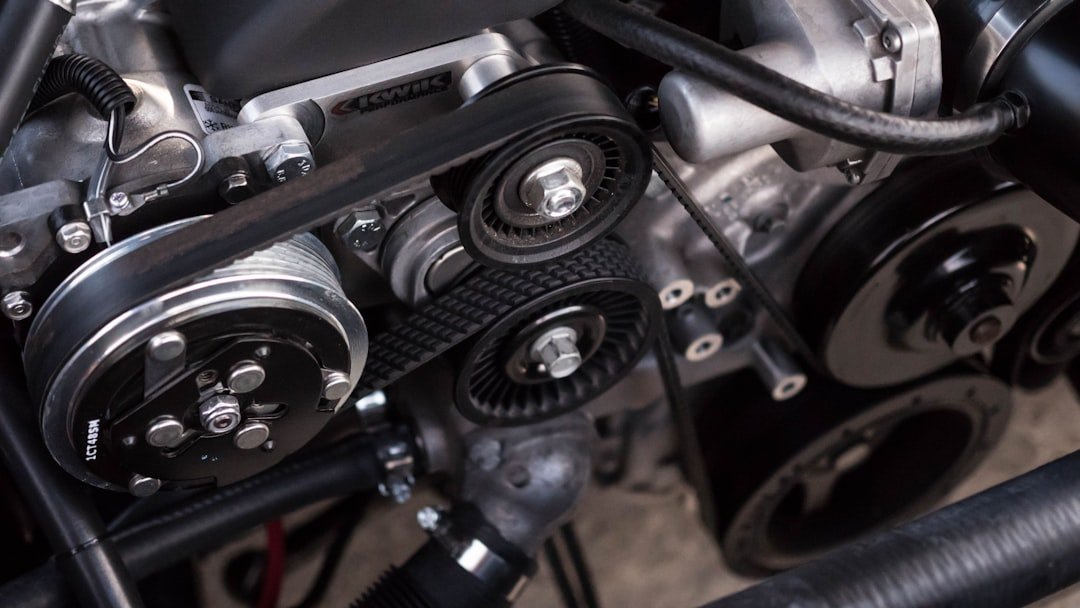
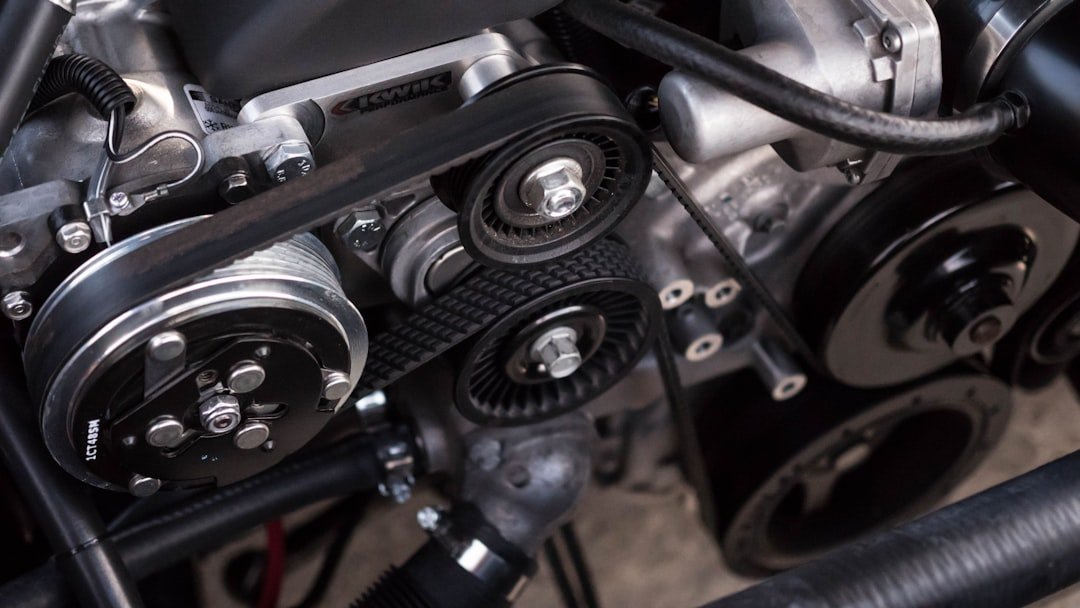
On virtually all modern vehicles, a single serpentine belt (named for how it snakes around multiple pulleys) replaces the multiple V-belts that older vehicles used. This belt drives accessory components from the engine’s crankshaft pulley:
- Alternator — Generates electricity to charge the battery and power vehicle electronics
- Power steering pump — Provides hydraulic assist for steering (on hydraulic systems)
- Air conditioning compressor — Drives refrigerant compression for the AC system
- Water pump — On many vehicles, the water pump is belt-driven off the serpentine system
- Idler pulleys and tensioner — Keep the belt properly routed and tensioned
Warning Signs of a Failing Serpentine Belt
- Squealing or chirping noise — Most common symptom; usually worse on cold starts or during AC use
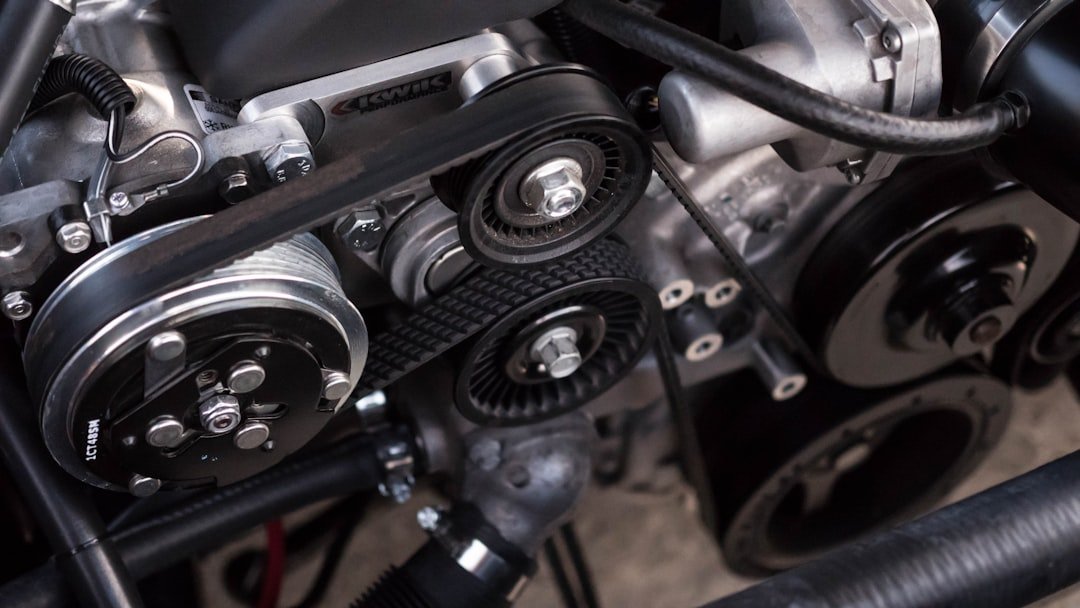
- Visible cracks, fraying, or glazing — Inspect the belt surface; cracking across the ribs means replacement is due
- Power steering suddenly heavy — Belt slipping or broken means power steering pump isn’t driven
- Battery warning light — A slipping belt means the alternator isn’t generating adequate charge
- AC stops working suddenly — Compressor loses drive if belt breaks or slips
- Engine overheating — If the water pump is serpentine-driven and the belt fails, coolant circulation stops
When to Replace Your Serpentine Belt
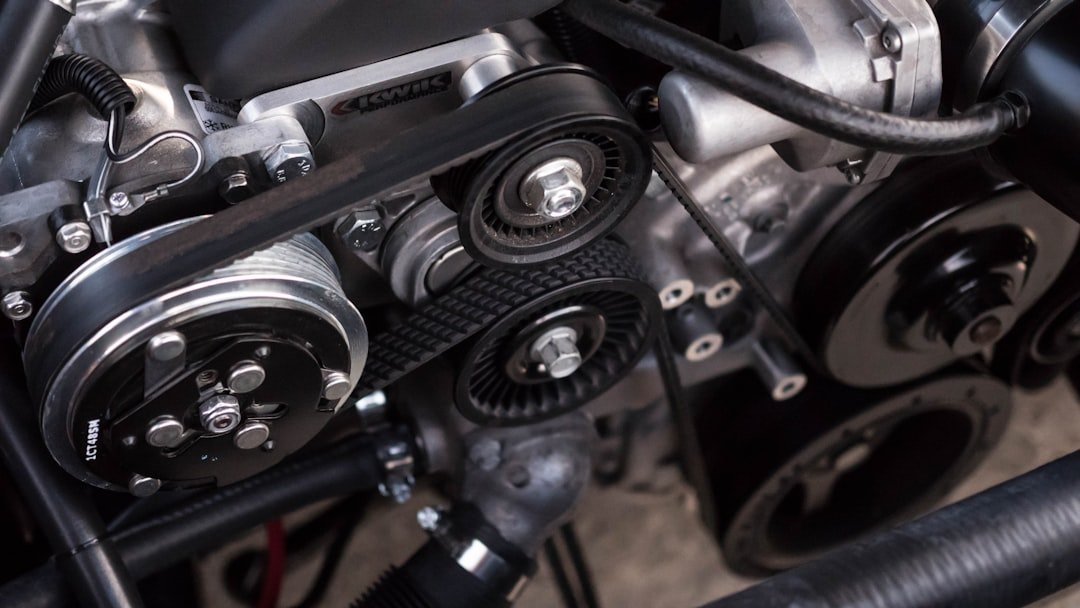
Most manufacturers recommend serpentine belt inspection every 30,000 miles and replacement by 60,000–90,000 miles — but Oklahoma’s extreme heat accelerates belt degradation. Heat causes rubber to harden and crack faster than in moderate climates. Our technicians inspect belt condition at every oil change, looking for rib cracking, glazing (hard shiny surface indicating slippage), missing chunks, and uneven wear.
Replace the tensioner and idler pulleys with the belt: When a serpentine belt is replaced, we recommend replacing the automatic tensioner and idler pulley(s) at the same time. These components wear at a similar rate and account for a significant portion of belt noise and premature belt failure. The labor is already done — replacing the hardware adds minimal cost and prevents a return visit for the next failure.
Don’t Wait for a Breakdown
A serpentine belt failure is usually sudden. Unlike other maintenance items that degrade gradually, a belt can look acceptable one day and snap the next. Oklahoma summers are especially harsh on rubber components — heat cycling accelerates the micro-cracking that leads to belt failure. If your belt hasn’t been inspected in the last two years, or if you’re hearing any squealing from the engine, bring it in for a check.
Norm’s Auto Clinic — 19 N. Broadway, Coweta, OK 74429. Call (918) 279-8100 for serpentine belt inspection or replacement. We serve Coweta, Broken Arrow, Wagoner, and the Tulsa metro area.