
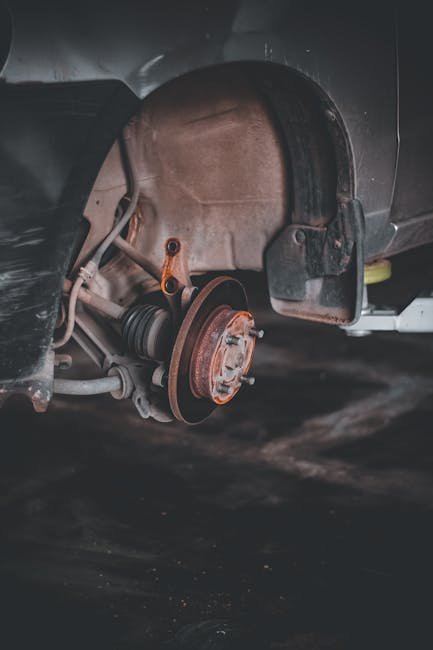
Mechanics, service advisors, and repair quotes use the terms “shocks” and “struts” interchangeably — but they’re actually different components that serve similar functions in different ways. Understanding the distinction helps you have an informed conversation with your mechanic and understand why certain repairs cost more than others. Here’s the clear explanation of shocks vs. struts for Coweta and Tulsa area drivers.
What Shocks and Struts Have in Common
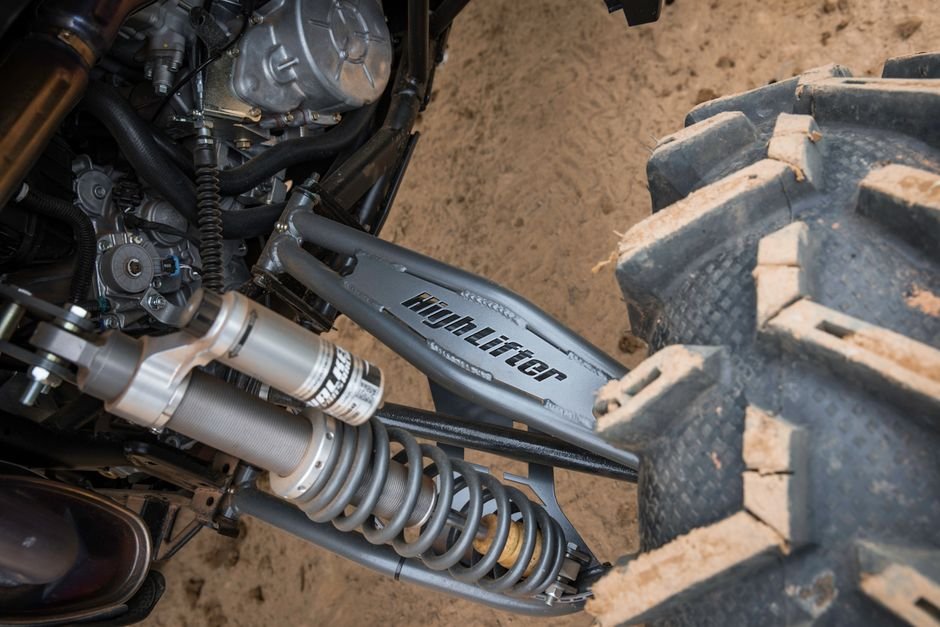
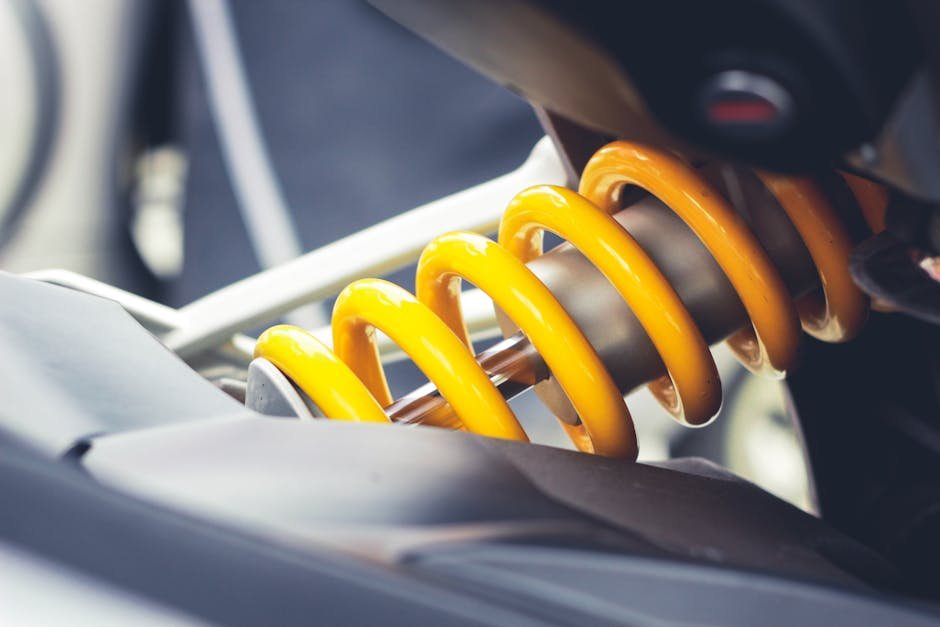
Both shock absorbers and struts serve the same primary function: damping. Springs (either coil springs or leaf springs) support the weight of the vehicle and absorb the initial impact of road irregularities. But springs alone would cause the vehicle to bounce continuously after hitting a bump — the spring would compress and release in an oscillating cycle for a long time. The shock absorber (or strut) converts that spring energy into heat through hydraulic resistance, damping the oscillation so the vehicle settles quickly after a bump.
Both shocks and struts are hydraulic components with a piston moving through fluid in a sealed cylinder. Both wear gradually and need replacement as vehicle mileage accumulates. The primary difference is how they’re integrated into the suspension design.
What Makes a Strut Different
A strut is a structural suspension component — it’s not just a damper, it’s also the mounting point for the wheel and the spring, and it serves as the lower pivot for the steering geometry. The strut is an integral part of the suspension system. You cannot remove a strut and have the wheel still attached to the vehicle in the correct position — the wheel would have nothing to attach to.
Because the strut is structural, replacing it is more involved than replacing a standalone shock absorber. Strut replacement typically requires disconnecting the brake caliper and line, separating the steering knuckle from the strut, removing the strut mount at the top of the strut tower, and — if replacing just the strut body rather than a complete assembly — compressing the coil spring with a spring compressor to remove and transfer it to the new strut.
What Makes a Shock Absorber Different
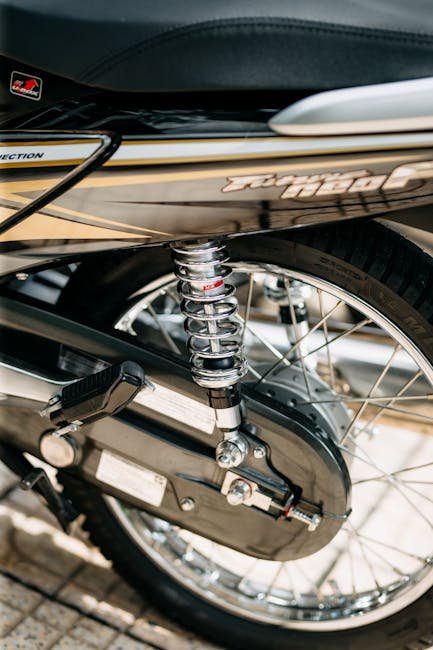
A shock absorber (also called a damper) is not a structural component — it’s a supplementary component that works alongside a separate suspension structure. The wheel is held in position by the control arm (or multi-link) system; the shock absorber is simply bolted between the chassis and the axle or control arm to dampen spring oscillation. You could, in principle, remove a shock absorber (not that you’d want to) and the wheel would remain attached — just bouncing freely.
Shock absorbers are typically found on the rear axles of vehicles with MacPherson front struts, and on trucks and SUVs with solid rear axles. They’re generally simpler and less expensive to replace than struts because they don’t involve spring compression or steering geometry.
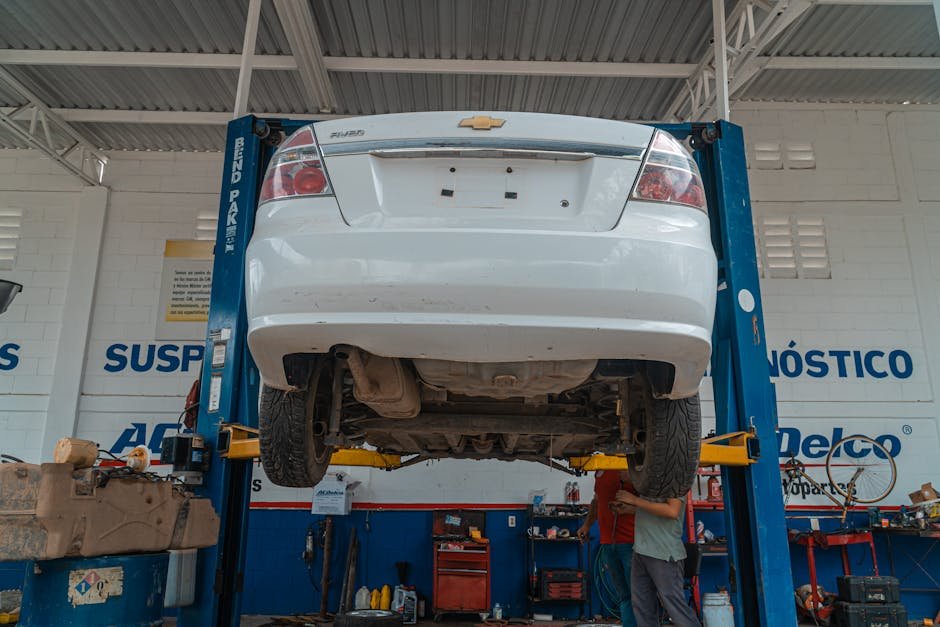
Which Does Your Vehicle Have?
Most passenger cars and front-wheel-drive SUVs use:
- Front: Struts (MacPherson strut design is the most common passenger car front suspension)
- Rear: Either struts or shock absorbers, depending on the rear suspension design
Most full-size trucks and traditional body-on-frame SUVs use:
- Front: Either struts or twin-I-beam/control arm with separate shock absorbers
- Rear: Shock absorbers (with leaf springs on many trucks)
If you’re not sure what your vehicle uses, your service invoice will specify — or just ask us when you bring your vehicle in for service.
Cost Difference Between Shocks and Struts
Struts are more expensive to replace for two reasons: the parts themselves are more complex (they incorporate the spring perch, mount, and sometimes the steering geometry), and the labor is more involved. Typical strut replacement in the Coweta area runs $350–$650 for a front pair installed. Rear shock absorber replacement on a truck or SUV typically runs $150–$350 for a pair installed. A rear strut pair (on vehicles with strut rear suspension) falls in between, at $250–$500.
When to Replace Shocks or Struts
- Vehicle bounces excessively after bumps: If the car continues bouncing 2+ times, the dampers are worn.
- Nose dives under braking: Front struts or shocks have lost damping ability.
- Body rolls excessively in corners: Worn struts allow more body lean than normal.
- Visible fluid on strut or shock body: Internal seal has failed — replace immediately.
- High mileage (60,000–80,000+): Most struts and shocks are noticeably worn by this mileage on Oklahoma roads.
At Norm’s Auto Clinic in Coweta, we inspect the full suspension system during every oil change and service visit — and we’ll tell you honestly when shocks or struts need replacement and when they don’t. Visit us at 19 N. Broadway, Coweta, OK 74429 or call (918) 279-8100.