
Most vehicles now have oil life monitoring systems — but many older vehicles don’t, and even modern systems can be ignored or misunderstood. Knowing the signs that your oil needs changing can help you stay ahead of engine wear. At Norm’s Auto Clinic in Coweta, Oklahoma, these are the signals we tell our customers to watch for between scheduled oil changes.
5 Signs You Need an Oil Change Right Now
1. The Oil Light Is On
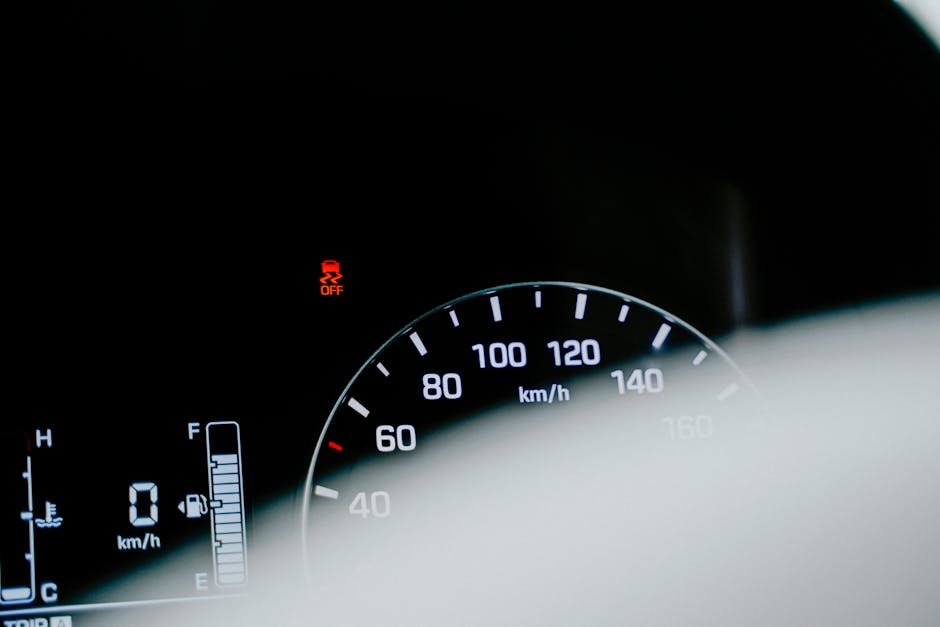
There are two different oil-related warning lights. The oil pressure warning light (typically looks like an oil can) means your oil pressure has dropped dangerously low — stop driving immediately and call for a tow. Driving with the oil pressure light on can destroy an engine in minutes. The oil life indicator (often shows a percentage or “oil change required” message) is your scheduled maintenance reminder — change the oil at your earliest opportunity, but you don’t need to pull over immediately.
2. Dark, Dirty Oil on the Dipstick
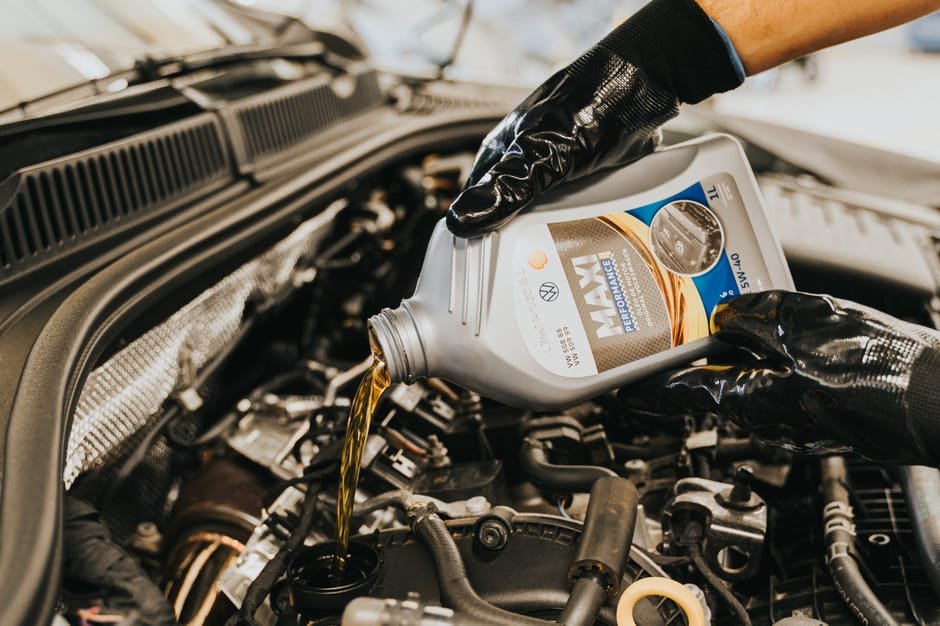
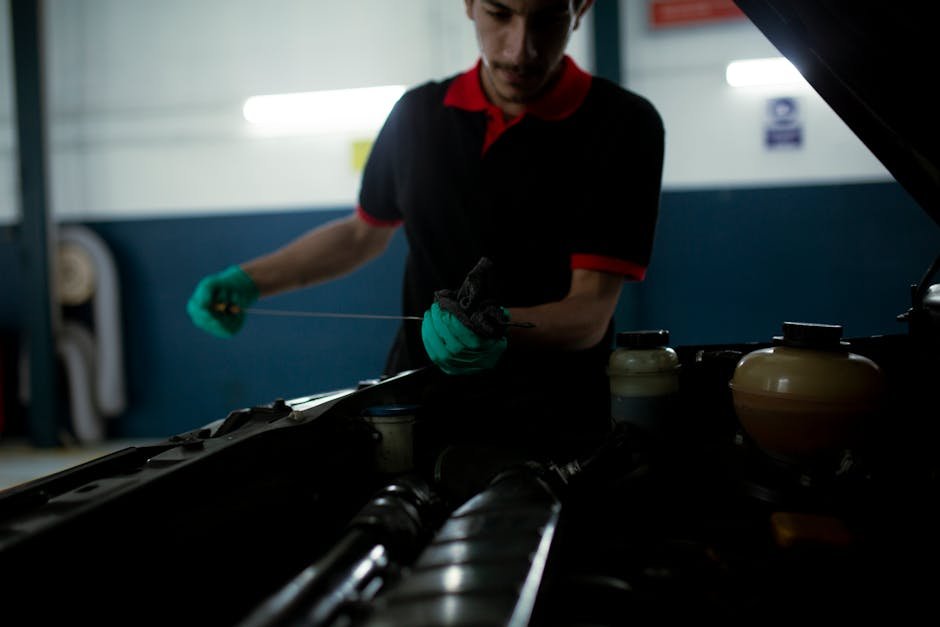
Fresh oil is amber or light brown and translucent. As oil does its job — cleaning engine internals and absorbing combustion byproducts — it darkens. Very dark brown or black oil, especially if it’s thick or gritty when rubbed between your fingers, is overdue for a change. Check your dipstick monthly; it takes 30 seconds and can catch problems early.
3. Engine Noise Has Changed
Oil provides a protective film between metal surfaces. As oil thickens and degrades, its ability to maintain this film under load diminishes. You may notice more valve train noise (ticking or tapping), especially on cold starts — a sign that oil isn’t flowing quickly to the top end of the engine. A noticeable increase in engine noise warrants an oil check and often an immediate change.
4. You’re Adding Oil Between Changes
If your engine is consuming oil (requiring you to add a quart between changes), check the oil level more frequently. A vehicle burning or leaking oil can run low faster than the change interval, causing oil starvation. Adding fresh oil between changes is not a substitute for the change itself — the additives are still depleted even if the level is correct.
5. It’s Been More Than 12 Months
Even if your mileage is low, oil degrades from heat cycling and oxidation over time. A vehicle driven primarily on short trips — a common pattern for second cars, retirees, or RVs used seasonally — may see oil degrade by time before mileage. Change oil at least once a year regardless of mileage.
Norm’s Auto Clinic — 19 N. Broadway, Coweta, OK 74429. Call (918) 279-8100. Serving Coweta, Broken Arrow, Wagoner, and the Tulsa area.