
A soft or spongy brake pedal — where the pedal travels further than normal before building resistance, or has a mushy feeling rather than a firm stop — is a safety issue that should be diagnosed promptly. Unlike brake noise, which often has gradual escalation, pedal feel changes can indicate a hydraulic problem that affects stopping ability. Here’s what causes it and what we look for at Norm’s Auto Clinic in Coweta.
Causes of a Soft or Spongy Brake Pedal
Air in the Brake Lines
The most common cause of a suddenly spongy pedal. Brake fluid is incompressible — that’s how hydraulic pressure transmits your pedal force to the calipers. Air is compressible. When air enters the brake lines (from a brake line leak, improperly bled brakes after a repair, or a brake component failure), the pedal compresses the air instead of immediately building hydraulic pressure. Result: a soft, spongy pedal that travels too far before the brakes engage. Solution: bleed the brake system to remove air.
Contaminated Brake Fluid
Brake fluid absorbs moisture from the air over time (it’s hygroscopic). High moisture content dramatically lowers the boiling point of brake fluid — from 400°F+ for fresh fluid down to 250°F or less for old, wet fluid. Under heavy braking, the fluid can boil, creating vapor bubbles (compressible gas) that cause a sudden spongy pedal. This is called vapor lock, and it’s common in vehicles that haven’t had a brake fluid flush in 2+ years. The fix: flush and replace the brake fluid.
Failing Brake Master Cylinder
The master cylinder converts pedal pressure into hydraulic pressure for the entire braking system. When the internal seals fail, fluid bypasses internally rather than building pressure. Symptoms include a pedal that sinks to the floor slowly, or a pedal that gradually gets worse over miles. The master cylinder may be rebuilt or replaced.
Brake Hose Deterioration
Rubber brake hoses deteriorate internally with age and heat cycling. The hose can develop an internal lining that acts like a check valve — brake fluid goes through easily in one direction but partially blocks return flow. This causes brake drag (caliper doesn’t fully release) and can cause a spongy pedal due to reduced system pressure.
Don’t Drive on a Soft Pedal
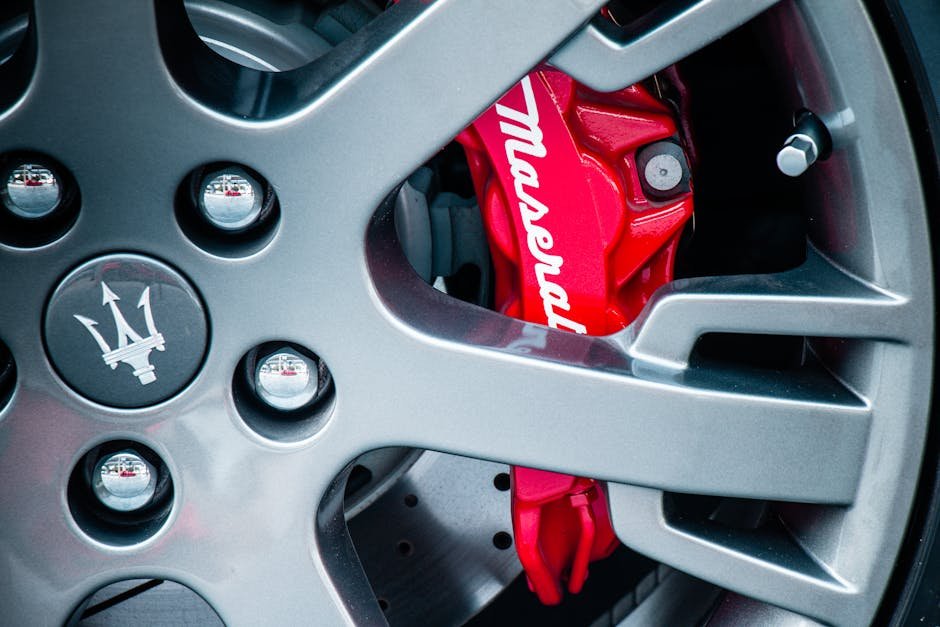
A spongy brake pedal that’s getting worse, or a pedal that travels to within an inch of the floor before braking effectively, is a dangerous condition. If your pedal has changed significantly from how it normally feels, call us before driving the vehicle further.
Norm’s Auto Clinic — 19 N. Broadway, Coweta, OK 74429. Call (918) 279-8100. Serving Coweta, Broken Arrow, Wagoner, and the Tulsa area.