
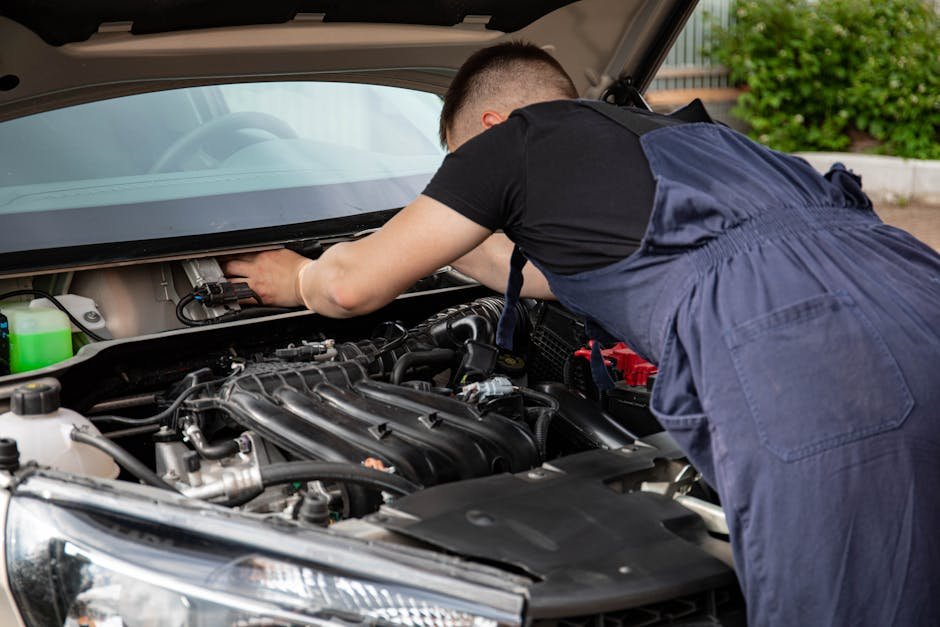
When you turn the key and nothing happens — or you hear a single click — your starter motor is suspect. The starter is what cranks the engine to get combustion started; without it, the vehicle is completely immobile. At Norm’s Auto Clinic in Coweta, Oklahoma, we diagnose no-start conditions accurately (the starter is one of several possible causes) and replace starters quickly so you’re back on the road the same day.
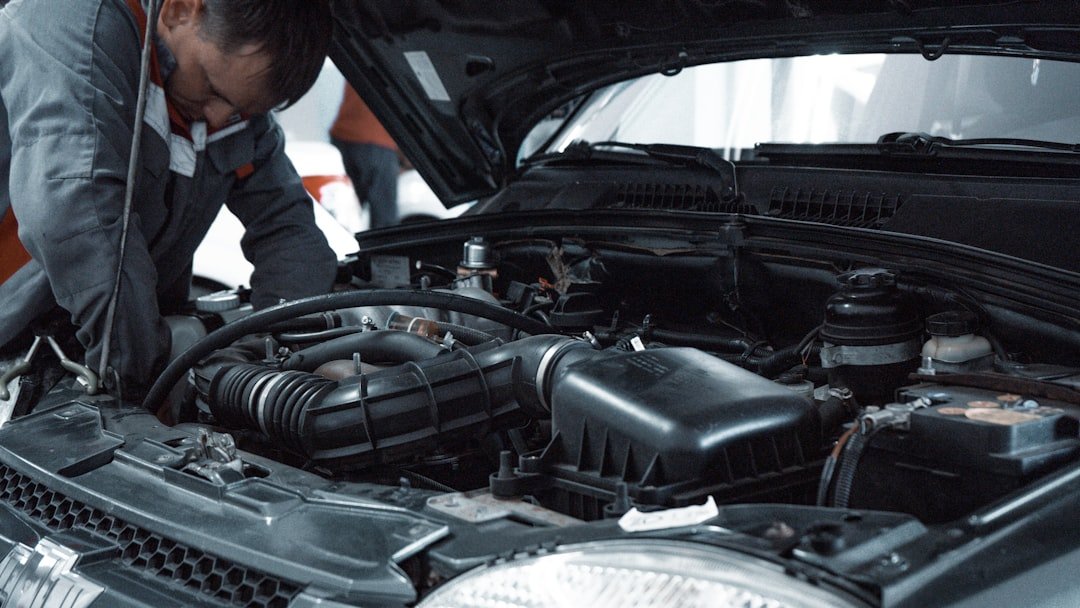
How the Starter System Works
When you turn the ignition key or press the start button, a signal is sent through the ignition circuit to the starter relay or solenoid. This closes a high-current circuit that sends battery power directly to the starter motor. The starter’s drive gear extends and engages the flywheel ring gear, spinning the engine until combustion begins. Once running, the starter automatically disengages.
The starter system involves: the battery (must have sufficient charge), the battery cables (must have low resistance), the ignition switch, the starter relay or solenoid, and the starter motor itself. A fault in any of these causes a no-start.
No-Start Symptoms and What They Mean
- Single loud click, then nothing — Often indicates the starter solenoid is engaging but the motor isn’t spinning; suggests a failed starter motor or severely discharged battery
- Rapid clicking (machine-gun sound) — Classic sign of an insufficient battery charge; the starter solenoid chatter indicates not enough power to hold it engaged
- Nothing at all (no sound) — Could be a completely dead battery, failed ignition switch, failed starter relay, or a wiring fault
- Grinding noise during cranking — Starter drive gear not fully engaging flywheel ring gear; worn starter drive or damaged ring gear
- Engine cranks slowly — Weak battery, faulty starter, or high-resistance connections in battery cables
- Intermittent no-start — Starts fine most of the time but occasionally doesn’t — often caused by heat-related starter failure or an intermittent solenoid fault
Accurate No-Start Diagnosis
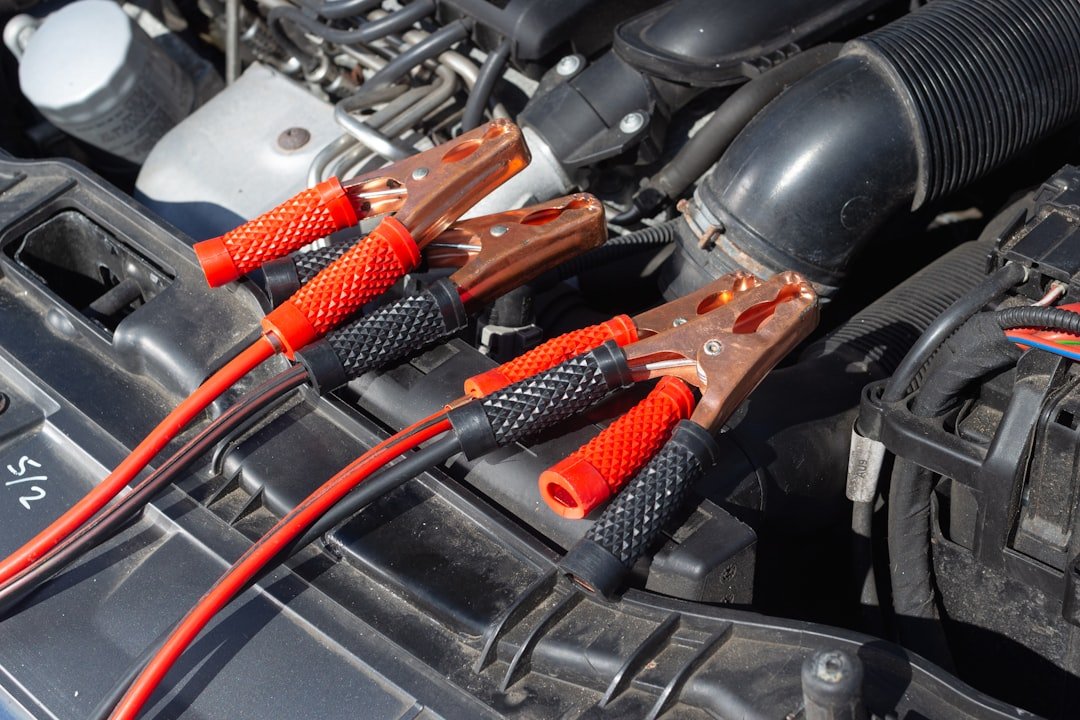
Not every no-start is a starter problem. Before replacing the starter, we test:
- Battery voltage and cold cranking capacity under load
- Battery cable voltage drop (a high-resistance cable mimics a dead battery)
- Voltage at the starter solenoid trigger terminal during the start attempt
- Starter current draw (a failing starter draws too much current; a faulty starter may draw too little)
This testing tells us definitively whether the starter is the fault, or whether a battery, cable, or wiring issue is causing the symptom. Replacing the starter on a vehicle with corroded battery cables means the new starter will fail prematurely from the same cause.
Norm’s Auto Clinic provides same-day starter replacement on most vehicles. Find us at 19 N. Broadway, Coweta, OK 74429 — call (918) 279-8100. Serving Coweta, Broken Arrow, Wagoner, and the greater Tulsa area.