
The Subaru Forester is one of the most dependable compact SUVs on the market, earning consistently high reliability ratings and a devoted owner base across Oklahoma. That said, like any vehicle, the Forester has specific known issues that owners should understand — particularly models built before 2012 with the EJ engine family, and even some newer models with their own patterns. At Norm’s Auto Clinic in Coweta, Oklahoma, we service Foresters regularly and can diagnose and repair every one of these common issues.

Head Gasket Issues (1998–2010 Foresters)
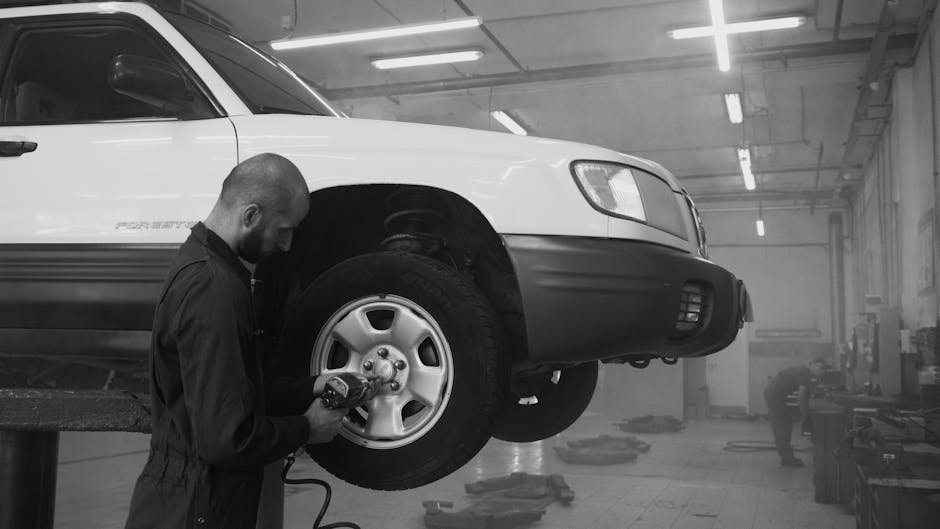
The most widely discussed Subaru Forester problem is head gasket failure, particularly on the 2.5L EJ253 engine used in 1998–2010 models. As with the Outback and Legacy of the same era, the EJ engine’s head gaskets are prone to external seepage — coolant or oil slowly seeping along the outside of the engine block. This is a slow-developing issue that can go unnoticed for tens of thousands of miles before the coolant loss becomes obvious.
Warning signs: gradual coolant loss without visible puddles, slightly elevated temperature gauge readings, oily residue on the side of the engine block, or a faint sweet smell from the exhaust when warm. If your 1998–2010 Forester has over 100,000 miles and hasn’t had the head gaskets replaced, proactive inspection at your next service is strongly recommended. Repair costs range from $1,200–$2,000 at an independent shop like Norm’s.
Oil Consumption (2011–2015 Foresters)
Subaru issued a Technical Service Bulletin (TSB) acknowledging excessive oil consumption in the 2011–2015 Forester with the 2.5L FB25 engine. Affected vehicles can consume a quart of oil every 1,000–1,200 miles under normal driving conditions. This is significantly higher than the industry norm.
Subaru extended the powertrain warranty to 100,000 miles for affected vehicles and offered piston ring replacement as the fix on some models. For out-of-warranty vehicles, options include: increased monitoring and top-up intervals, piston ring replacement (expensive but definitive), or continued use with awareness of consumption rate. We recommend checking oil level every 1,000–1,500 miles if you own a 2011–2015 Forester.
CVT Transmission Concerns (2014+ Foresters)
Starting with the 2014 model year, the Forester moved to a CVT (continuously variable transmission) as standard equipment. The CVT is generally reliable, but requires more frequent fluid changes than traditional automatics — especially in Oklahoma’s heat. Subaru’s factory recommendation suggests extended drain intervals that many independent mechanics consider too conservative for real-world conditions.
We recommend CVT fluid service every 30,000 miles for Coweta and Tulsa area drivers. Neglecting CVT fluid leads to slipping, shuddering (especially on cold starts), and eventual CVT failure — a repair that can cost $3,000–$5,000. Fluid changes are a fraction of that cost and dramatically extend CVT life.

Timing Belt vs. Timing Chain (Important for All Foresters)
Foresters built before 2013 with EJ engines use a timing belt that must be replaced — typically at 105,000 miles (we recommend 90,000 miles for Oklahoma conditions). A broken timing belt destroys the engine on an interference engine. Always replace the water pump simultaneously, as the additional labor cost is minimal and water pump failure is equally catastrophic.
2013+ Foresters with FB engines use a timing chain that doesn’t require scheduled replacement. However, at very high mileage (180,000+), chain tensioner wear can lead to chain slack, rattling on cold starts, and eventual timing issues. If you hear a brief rattle from the engine on cold starts that disappears once warm, have the timing chain tensioner inspected.
Other Common Forester Issues
- Wheel bearing noise: Foresters are prone to front wheel bearing wear, producing a rumbling or droning sound that changes pitch with vehicle speed. Bearing replacement is a straightforward repair but should not be deferred — worn bearings can damage the ABS sensor and hub assembly.
- Catalytic converter codes (P0420): High-mileage Foresters frequently throw P0420 codes. This indicates the catalytic converter is no longer functioning efficiently. Confirm with an upstream/downstream O2 sensor comparison before replacing the converter.
- Power window regulator failure: Particularly common on 2003–2008 Foresters. The plastic clips on the window regulator break, causing the window to drop into the door. The regulator assembly is the fix.
- Rear differential noise on AWD models: Mismatched tire wear accelerates rear differential wear. If tires are not rotated regularly and replaced as a set, the AWD system forces the rear diff to compensate, leading to premature wear and noise.
- Brake caliper sticking: Oklahoma’s heat and road dust contribute to brake caliper sliding pin corrosion. Sticking calipers cause uneven wear, pulling to one side, and premature rotor damage.
Subaru Forester Service at Norm’s Auto Clinic
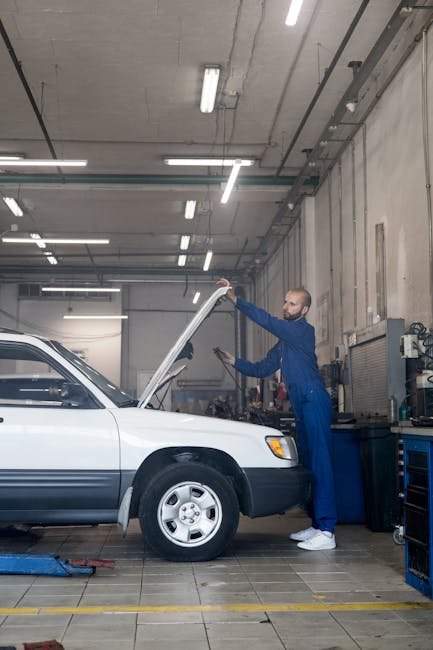
Whether your Forester needs a head gasket repair, CVT service, timing belt replacement, or a routine oil change and inspection, Norm’s Auto Clinic has the expertise and diagnostic equipment to handle it all. We provide transparent, written estimates and explain every repair recommendation before work begins. Visit us at 19 N. Broadway, Coweta, OK 74429, or call (918) 279-8100. We serve Coweta, Broken Arrow, Wagoner, Muskogee, and the greater Tulsa metro area.