
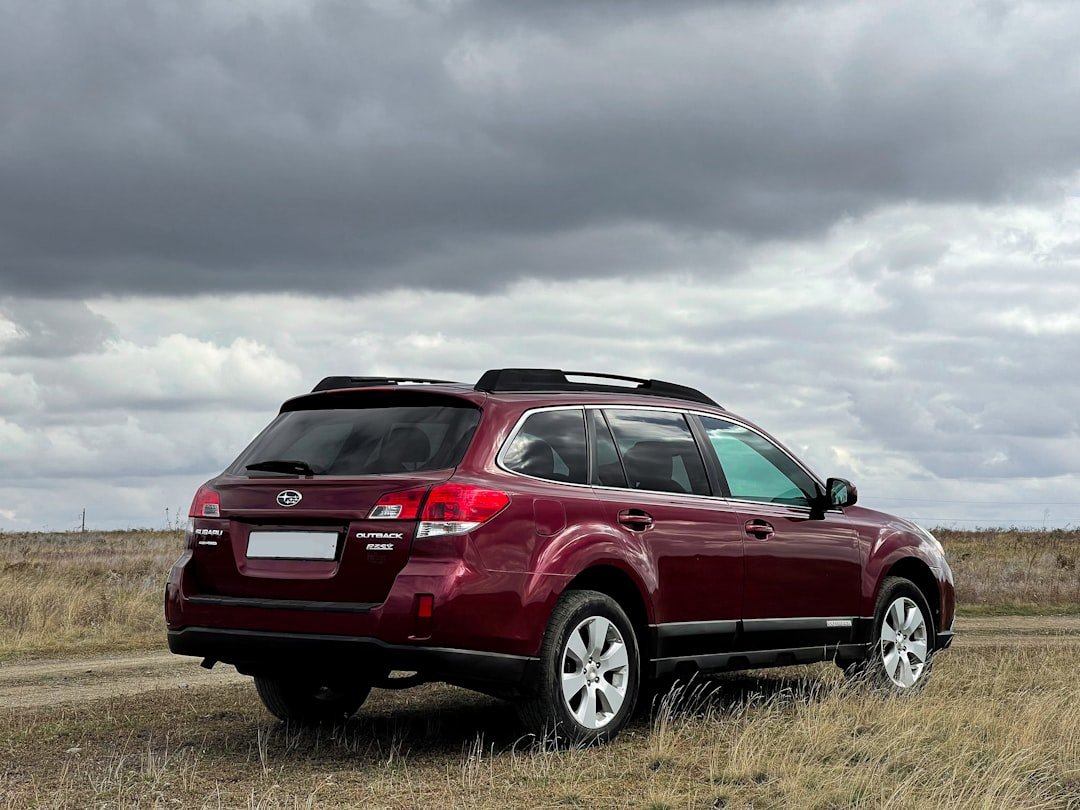
Subaru vehicles are known for their longevity and reliability, but one issue has affected a significant number of owners across multiple model years: excessive engine oil consumption. If you’ve noticed that your Subaru is burning through oil faster than expected — needing a top-up between oil changes or seeing the dipstick fall well below the full mark — you’re not imagining it, and you’re not alone. At Norm’s Auto Clinic in Coweta, Oklahoma, we’ve diagnosed and addressed Subaru oil consumption issues on many vehicles from across the Wagoner County and Tulsa metro area.
Which Subaru Models Are Affected?
The oil consumption issue is most widely associated with Subaru’s FB-series engines — the 2.0L and 2.5L four-cylinder engines introduced in 2012–2013. Affected models and years include:
- 2011–2015 Subaru Forester (2.5L FB25)
- 2012–2014 Subaru Impreza (2.0L FB20)
- 2013–2014 Subaru XV Crosstrek (2.0L FB20)
- 2012–2014 Subaru Legacy (2.5L FB25)
- 2012–2014 Subaru Outback (2.5L FB25)
- Some 2015–2017 model years — the issue was addressed in later production but some vehicles in these years still showed higher than normal consumption
The older EJ-series engines (used through approximately 2011) are primarily known for head gasket seepage rather than internal oil consumption, though they can develop consumption at high mileage as ring and valve seal wear accumulates normally.
What Is Considered “Normal” Oil Consumption?
The automotive industry generally considers oil consumption of up to 1 quart per 1,000 miles to be within specification on most engines. Subaru’s warranty threshold for consumption-related warranty work was set at 1 quart per 1,200 miles — meaning many owners experienced significant consumption that still technically fell outside warranty coverage.
For context, most modern well-maintained engines consume very little oil between changes — often less than a half quart over a full oil change interval. Consuming a full quart every 1,000–1,200 miles is substantially higher than what most owners consider acceptable, and it creates a real risk: if you’re not actively monitoring the dipstick and the level drops significantly, you risk oil starvation damage to the engine.
Root Cause: Piston Ring Design
Subaru engineers and independent analysis identified the primary cause as piston ring design and tolerances in the FB engine family. The oil control rings — which are responsible for wiping oil off the cylinder walls and returning it to the oil pan — were insufficient for certain driving conditions. Short trip, low-load driving (common for many Oklahoma commuters) contributed to incomplete ring seating and increased oil passage past the rings.
Subaru issued multiple Technical Service Bulletins (TSBs) related to the issue and eventually redesigned the piston rings and cylinder bore finish for later production runs. For affected vehicles, the official dealer fix was piston ring replacement — a significant internal engine repair.
Subaru’s Response: Extended Warranty and TSBs
Subaru of America extended the powertrain warranty on many affected vehicles to 100,000 miles specifically to address the oil consumption issue. If your vehicle falls within the affected years and you’re experiencing consumption, it’s worth verifying whether any remaining warranty coverage applies — even on used vehicles the original warranty may still be in effect.
The official Subaru oil consumption test procedure requires monitoring oil level over a 1,200-mile interval after a fresh oil change. If the loss exceeds 1 quart over that interval, the vehicle qualifies for the warranty repair under Subaru’s guidelines. Many owners found success pursuing this test at Subaru dealerships.
What Are Your Options if You’re Out of Warranty?
For out-of-warranty vehicles with oil consumption issues, the options range from management strategies to definitive repairs:
- Monitor and top up: The most common approach for older vehicles. Check oil level every 1,000 miles (or more frequently in summer heat) and maintain it above the minimum mark. This doesn’t fix the consumption but prevents engine damage. Use the correct viscosity — Subaru recommends 0W-20 on most affected models.
- High-mileage or thicker oil: Some owners report modest improvement using 5W-30 instead of 0W-20, or switching to a high-mileage formula. This is not a fix but may slow consumption slightly by providing thicker film over worn rings.
- Piston ring replacement: The definitive fix — replacing the piston rings (and sometimes the pistons themselves) with updated components. This is a major internal engine repair involving removing the cylinder heads and pistons. Cost typically ranges from $2,000–$3,500 depending on the vehicle. Justified if the vehicle is otherwise in excellent condition and you plan to keep it long-term.
- Engine replacement: For very high-mileage vehicles with consumption and other wear, a rebuilt or remanufactured engine may be more cost-effective than a ring job on a worn block.
Preventing Oil-Related Engine Damage
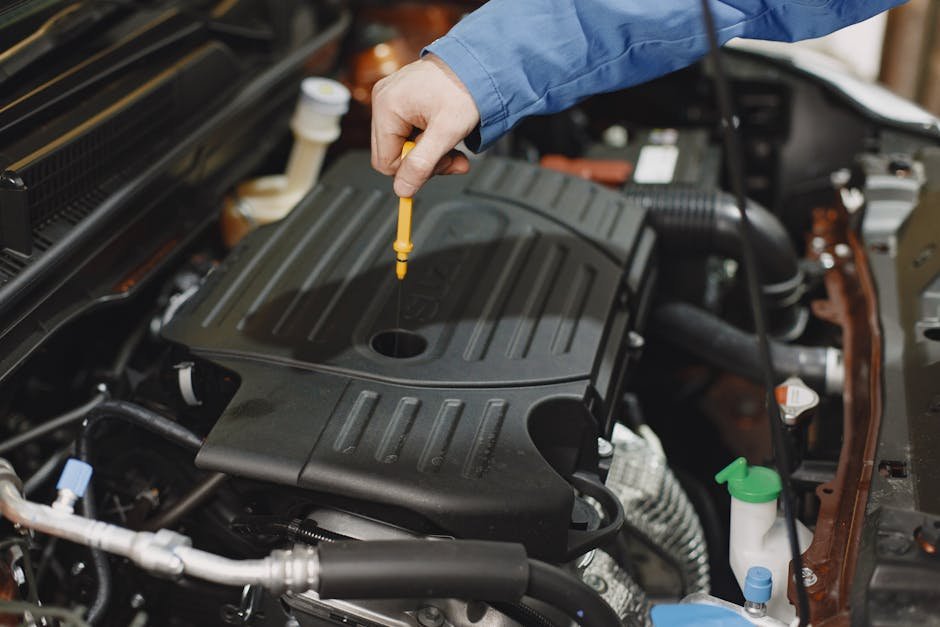
The most important thing Subaru owners with known consumption issues can do is monitor oil level frequently. Do not rely on the oil change interval as your check schedule. Check the dipstick every 1,000 miles — or weekly if you drive frequently. Add oil when the level drops below the middle mark on the dipstick; do not wait until it reaches the minimum line.
Oklahoma’s summer heat increases oil consumption rates on any engine. During July and August, Coweta and Tulsa area Subaru owners with consumption issues should check levels more frequently than in cooler months.
Oil Consumption Diagnosis at Norm’s Auto Clinic
If you’re concerned about your Subaru’s oil consumption, bring it to Norm’s Auto Clinic. We can perform a consumption test, inspect for oil leaks (distinguishing external seepage from internal consumption), check for related diagnostic codes, and give you an honest assessment of your options and the cost-benefit of repair versus management. We’re located at 19 N. Broadway, Coweta, OK 74429. Call us at (918) 279-8100 to schedule an appointment. We serve Coweta, Broken Arrow, Wagoner, Muskogee, and the greater Tulsa area.