
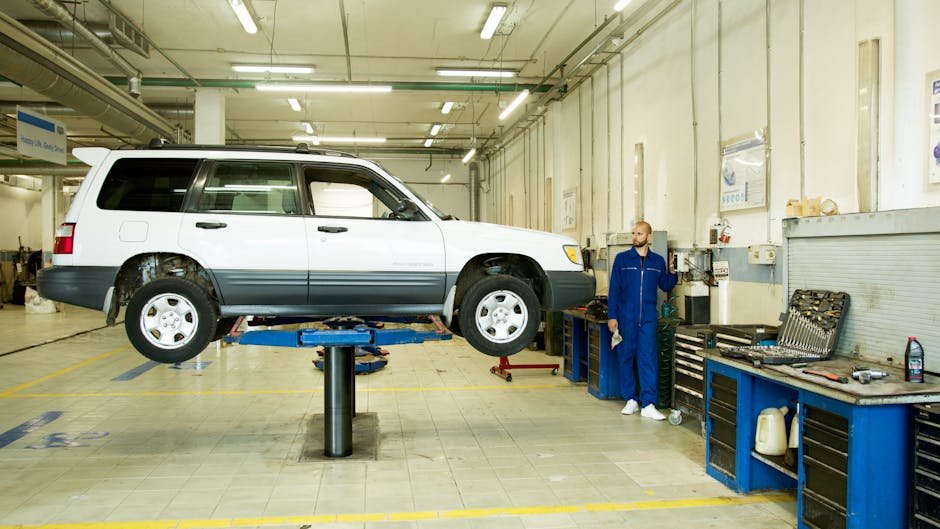
Subaru’s Outback and Forester have a dedicated following in northeastern Oklahoma — the Symmetrical AWD, good ground clearance, and practicality make them popular with drivers who deal with rural roads, ice storms, and flooding. But Subaru’s horizontally opposed ‘boxer’ engine design has some inherent characteristics that owners must understand to avoid expensive preventable repairs.
At Norm’s Auto Clinic, we service Subaru vehicles regularly and have extensive experience with the EJ-series and FB-series boxer engines — including the specific issues that distinguish Subaru maintenance from mainstream vehicle care.
Subaru Head Gasket Failure: The EJ-Series Engine
Head gasket failure is the most notorious issue associated with Subaru’s EJ-series engines, particularly the 2.5L naturally aspirated EJ253 used in Outbacks and Foresters from 2000–2012. The failure typically presents as external coolant seepage rather than catastrophic internal failure — you may see minor coolant loss, a slightly sweet smell from the engine bay, or staining on the engine block.
Subaru addressed this with improved multi-layer steel (MLS) head gaskets on later models, but the older single-layer gaskets are still failing on high-mileage vehicles. A head gasket replacement at our shop runs ,200–,000 — significantly less than a dealership. Catching it early, before coolant contaminates the oil or the engine overheats, is the difference between a manageable repair and a major rebuild.
The newer FB-series engines (2013+ Outback and Forester) use a redesigned head gasket and don’t have the same failure rate. These engines are considerably more reliable, though they have their own maintenance requirements including regular oil changes to prevent the piston ring wear linked to oil consumption.
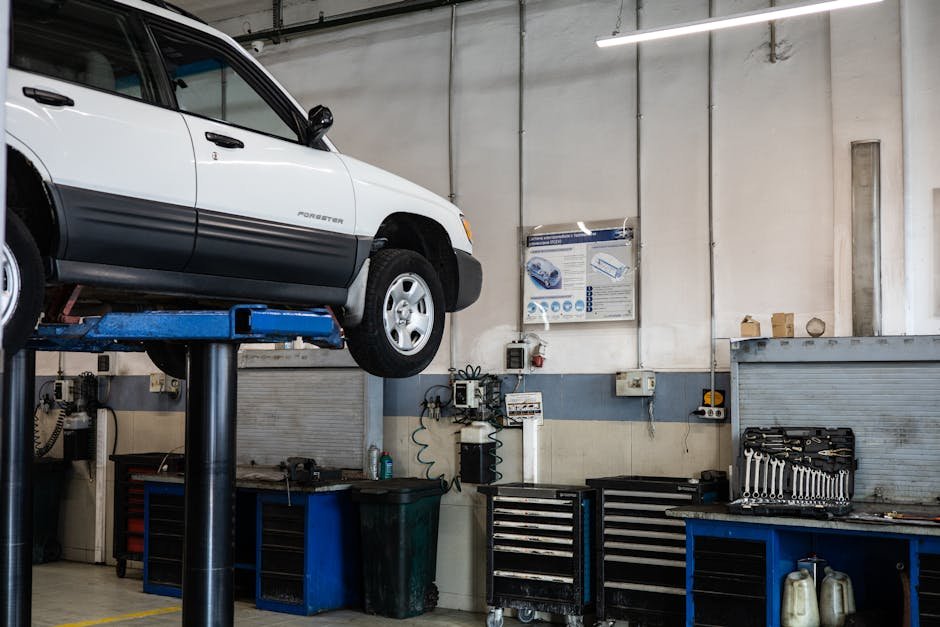
Subaru CVT and Transmission Service
Modern Subarus (2013+) use the Lineartronic CVT, which is generally smooth and reliable but requires fluid changes every 30,000–40,000 miles with Subaru-approved CVTF-II fluid. Using generic CVT fluid in a Subaru causes shudder, judder, and accelerated CVT wear. We see avoidable CVT damage regularly in high-mileage Subarus where the fluid was neglected.
Some 2015–2017 Subaru Outbacks and Foresters had a documented CVT shudder during light acceleration. Subaru issued a revised software calibration and fluid replacement procedure for affected vehicles. If your Subaru shudders during gentle acceleration from a stop, this is a likely cause.
Oil Consumption, Windshield Cracks, and Other Issues
The 2013–2016 Subaru Forester and 2013–2017 Outback with the 2.5L FB25 engine had documented oil consumption issues — Subaru extended warranty coverage for some affected vehicles. Check your oil every 1,000 miles until you establish your vehicle’s consumption pattern. Keeping oil at the proper level is especially important for boxer engines.
Subaru Outback windshields are notoriously prone to cracking from stone chips — the steep rake angle and large size make them vulnerable, and Oklahoma’s gravel roads make this worse. Subaru’s EyeSight camera system requires windshield recalibration after any glass replacement, adding significant cost. A windshield protection film on the lower third is a worthwhile investment for Outback owners.

Subaru Service at Norm’s Auto Clinic
Our technicians are experienced with Subaru’s boxer engines, Symmetrical AWD, and CVT transmissions. We service Outback, Forester, Impreza, Legacy, Crosstrek, WRX, and Ascent models. Whether you need a head gasket inspection, CVT fluid service, or routine oil change, we use Subaru-approved fluids and OEM-equivalent parts.
Serving Subaru owners in Coweta, Broken Arrow, Wagoner, and the Tulsa metro. Call (918) 279-8100 or visit 11150 S 265th E Ave, Coweta, OK 74429 — Monday–Friday, 8am–5pm.