
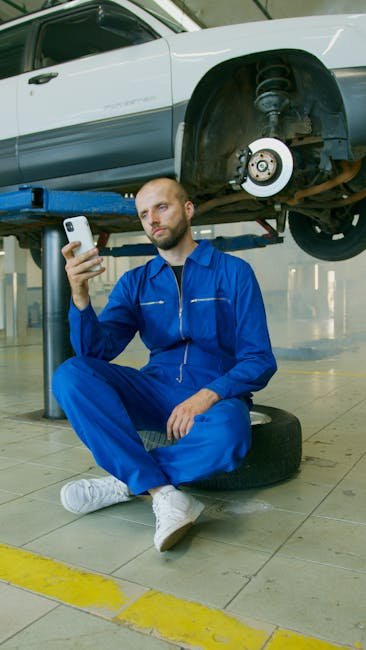
Tie rod ends are small but critical steering components — and when they wear out, they can make your vehicle unsafe to drive. Like ball joints, failing tie rod ends can cause a loss of steering control. Unlike ball joints, their symptoms are often confused with alignment issues, delaying diagnosis. At Norm’s Auto Clinic in Coweta, Oklahoma, we inspect tie rod ends as part of every suspension check. Here’s what you need to know about tie rod end symptoms, repair costs, and risks.
What Tie Rod Ends Do
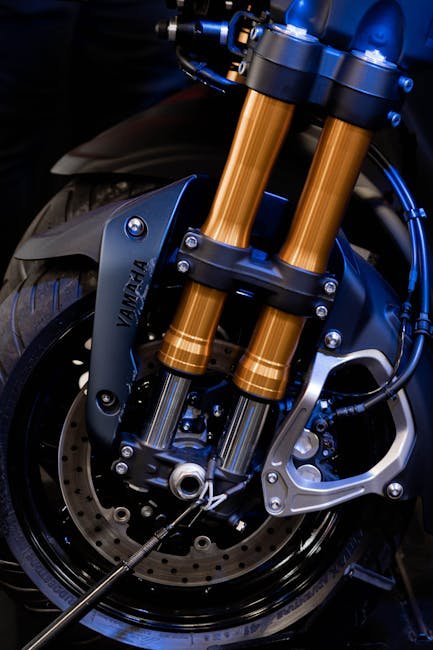
The steering rack translates your steering wheel input into left-right motion. Tie rods extend from the steering rack to the steering knuckles at each wheel. The outer tie rod end — the connection between the tie rod and the steering knuckle — is a small ball-and-socket joint that allows the tie rod to pivot as the suspension moves up and down while transmitting steering force to the wheel. When you turn your steering wheel, the tie rod ends pull or push the wheels to steer the vehicle.
Tie rod ends wear because they’re constantly moving — every bump, pothole, and steering input cycles the joint. On Oklahoma roads with their potholes and freeze-thaw surface damage, tie rod ends wear faster than in areas with smoother pavement.
Symptoms of Worn Tie Rod Ends
Steering Feels Loose or Has Play
The most telling symptom. If you move the steering wheel left and right slowly and the car’s direction doesn’t change for the first inch or two of wheel travel, there’s play in the steering system — and worn tie rod ends are a primary suspect. At highway speeds, this manifests as a vehicle that requires constant steering corrections and feels vague or disconnected.
Vehicle Pulls to One Side
A vehicle that pulls consistently to one side may have a worn tie rod end on that side allowing the alignment to shift. This is easily confused with a simple alignment issue — the difference is that an alignment performed on a vehicle with a worn tie rod end will go out of spec again quickly because the loose joint allows the geometry to shift back. If you’ve had an alignment done and the car pulls again within a few weeks, the tie rod ends need inspection.
Uneven Tire Wear
Worn tie rod ends that allow toe angle to change cause rapid inner or outer tire edge wear — the tires are no longer parallel when driving straight. If your tires are wearing on one edge more than the other, the tie rod ends (or ball joints, or alignment in general) should be inspected before purchasing new tires.
Vibration in the Steering Wheel
Worn tie rod ends can produce a vibration or shimmy in the steering wheel, especially at certain speeds (often 40–60 mph). The loose joint allows the steering knuckle to oscillate slightly, which transmits back through the steering column as a vibration. This symptom can also indicate a wheel balance issue or bent wheel — a professional diagnosis distinguishes between them.
Knocking or Clicking When Turning
A worn outer tie rod end with significant play can produce a knocking or clicking sound during slow-speed turns — the ball shifts within its socket as steering direction changes. This symptom is sometimes confused with a CV joint noise (which typically produces a clicking sound specifically during tight turns at low speed) — a physical inspection clarifies which component is failing.
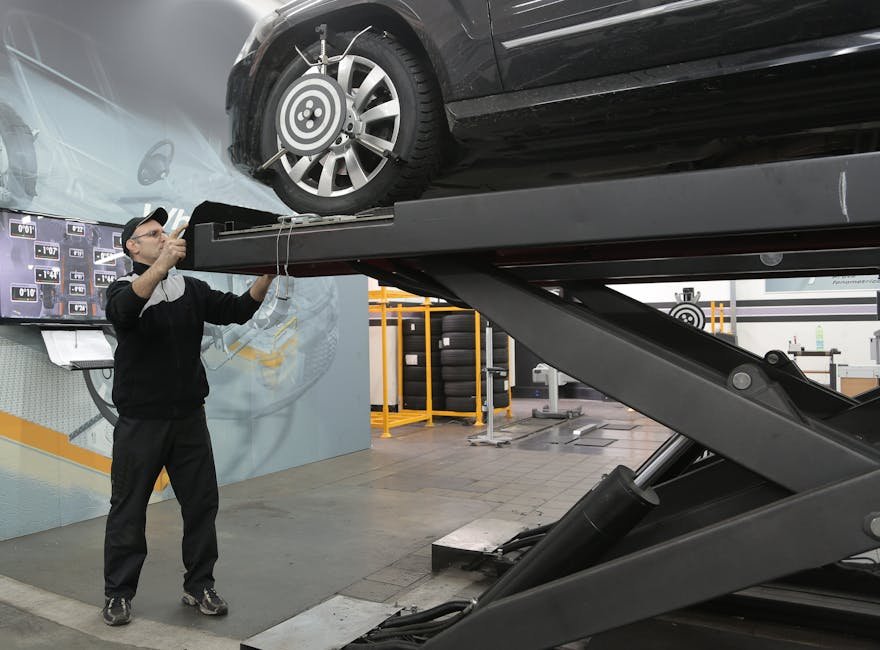
How Dangerous Are Worn Tie Rod Ends?
A completely failed tie rod end is a steering emergency. If the ball separates from its housing, the wheel is no longer connected to the steering system — you will have no steering control on that wheel. At speed, this causes rapid, uncontrollable vehicle movement. A severely worn tie rod end is dangerous to drive on. If your mechanic says the tie rod end has failed or has excessive play, this repair should not wait.
Tie Rod End Replacement Cost in Oklahoma
Tie rod end replacement in the Coweta and Tulsa area typically runs:
- Outer tie rod end (single): $100–$200 installed
- Outer tie rod ends (both sides — recommended): $180–$360 installed
- Inner tie rod end (single — more labor involved): $150–$280 installed
- Complete tie rod assembly (inner + outer, one side): $180–$350 installed
A wheel alignment is always required after tie rod end replacement — the tie rod adjustment (which sets toe angle) is disturbed during installation. Add $75–$130 for the alignment.
Schedule a Tie Rod Inspection at Norm’s
If you’re experiencing loose steering, vibration, uneven tire wear, or a vehicle that pulls, bring your vehicle to Norm’s Auto Clinic for a front-end inspection. We’ll test the tie rod ends, ball joints, and steering components and give you an honest assessment with manufacturer-spec measurements. Visit us at 19 N. Broadway, Coweta, OK 74429 or call (918) 279-8100.