
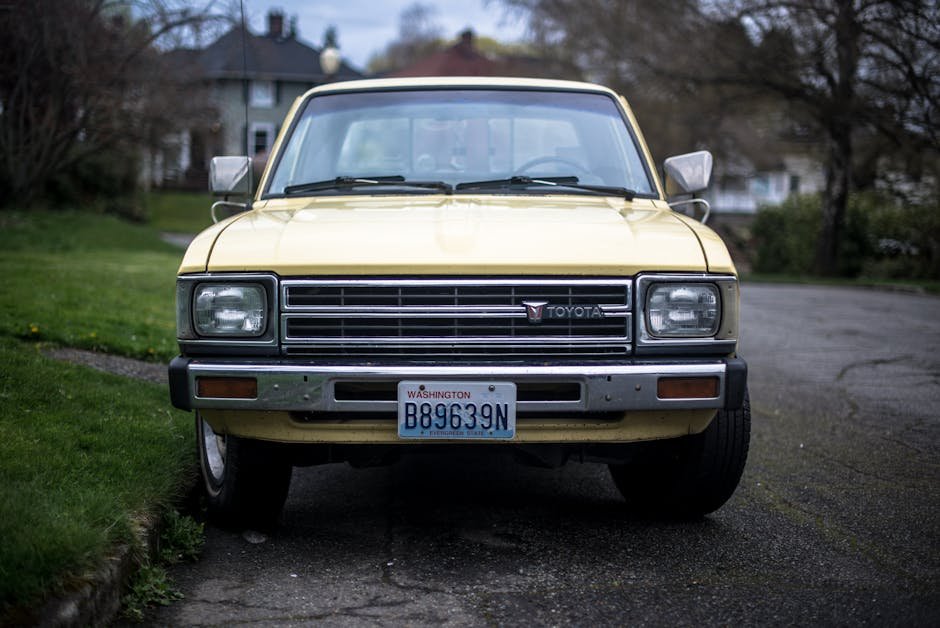
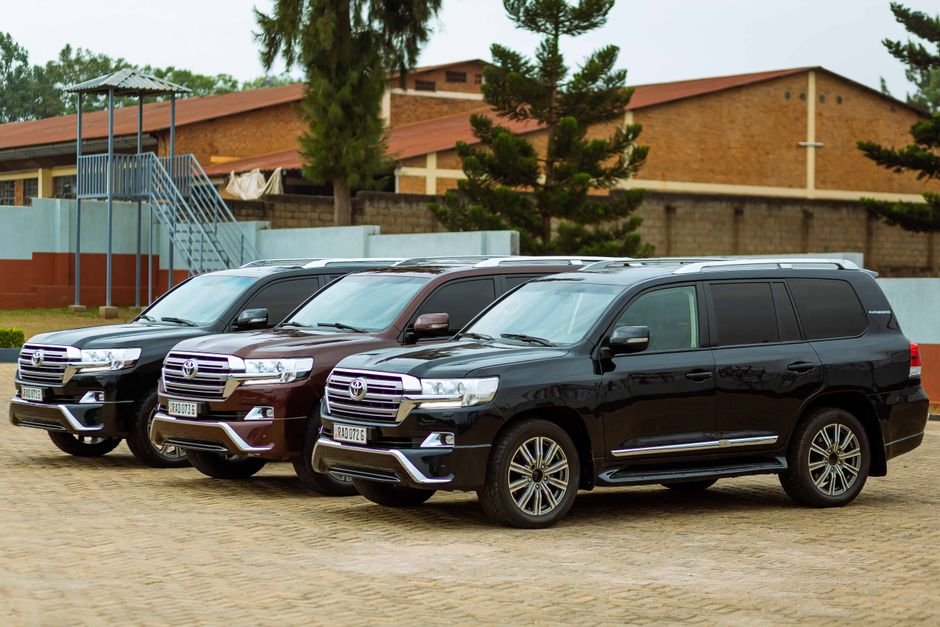
Toyota has earned a global reputation for longevity — and that reputation is well-deserved. Tacomas and Tundras with 300,000 miles are not rare. Land Cruisers regularly reach 400,000+ miles. 4Runners from the 1990s are still on the road today, decades later. But this longevity isn’t automatic — it requires deliberate, consistent maintenance. At Norm’s Auto Clinic in Coweta, Oklahoma, we’ve serviced high-mileage Toyotas for over 30 years, and the ones that last share a common set of habits.
The Foundation: Oil Changes Done Right
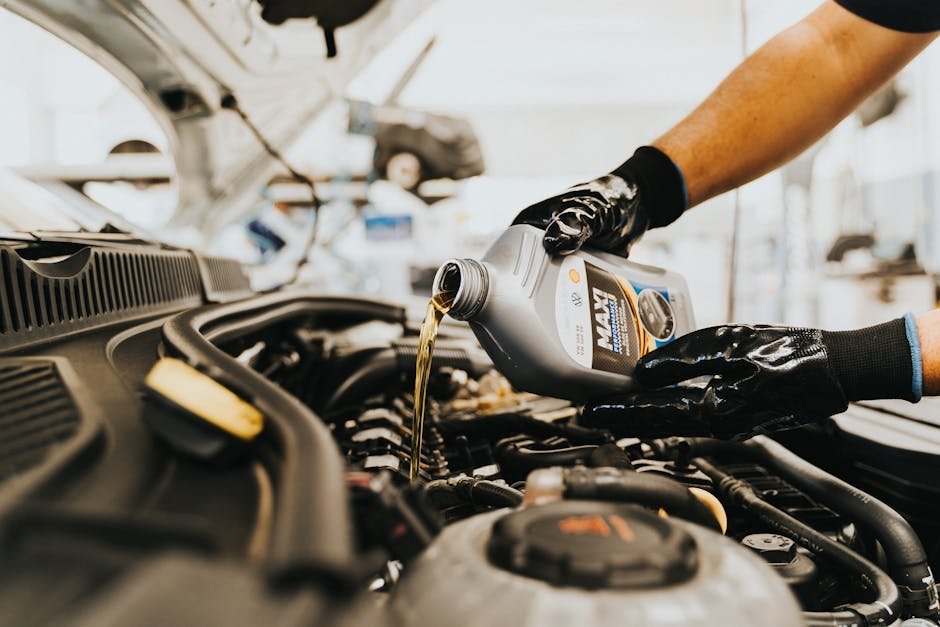
No single factor does more to determine an engine’s lifespan than oil change discipline. Toyota engines are known for their robust construction, but even the best-engineered engine accumulates sludge and wear when oil is neglected. The drivers who get 300,000 miles from their Toyotas treat oil changes as non-negotiable.
- Conventional oil: Change every 3,000–5,000 miles — don’t push it to 7,500 on conventional, especially in Oklahoma heat
- Synthetic oil: Change every 5,000–7,500 miles for most driving; Toyota’s extended 10,000-mile interval is for mild highway driving — not towing, not city, not summer heat
- Use the right oil: Toyota specifies 0W-20 in many newer models; using heavier oil without guidance can affect fuel economy and engine design parameters
- Never skip the filter: A cheap filter can bypass when clogged, sending unfiltered oil through the engine. Use OEM or quality aftermarket filters
Transmission Service — The Overlooked Killer
Toyota transmissions are excellent — until they’re not. The leading cause of Toyota transmission failure we see at Norm’s isn’t design flaws; it’s “lifetime” fluid that was treated as literally never needing service. Toyota’s automatic transmissions (both traditional automatics and the later six-speed units) benefit enormously from fluid changes every 30,000–60,000 miles in real-world conditions.
Towing, hauling, and Oklahoma summer heat all accelerate transmission fluid breakdown. A dark, burnt-smelling fluid on a drain inspection tells us the fluid has been overheated and is no longer protecting the clutch packs. Change the fluid at that point — don’t wait for symptoms. Transmission replacement is ,500–,500. Transmission service is –.
Coolant System — Toyota’s Secret Weapon and Weakness
Toyota uses Toyota Long Life Coolant (LLC), a pink OAT-based coolant with a 10-year/100,000-mile initial fill. The problem is that after that first fill, replacement intervals are every 50,000 miles or 5 years — and many owners either don’t know this or ignore it. Old coolant becomes acidic, corroding aluminum components (heads, water pumps, heater cores) from the inside.
Use Toyota-specification coolant or a quality OAT coolant when servicing. Mixing coolant types — pink Toyota LLC with generic green — destroys the additive package and causes gel formation in the cooling system. We’ve seen clogged heaters and damaged water pumps from mixed coolant on high-mileage Toyotas.
The Maintenance Milestones That High-Mileage Toyota Owners Never Skip
- 30,000 miles: Air filter, cabin filter, tire rotation, brake inspection, transmission fluid inspection
- 60,000 miles: Spark plugs (iridium plugs on newer models last longer, but inspect), timing chain inspection, serpentine belt, coolant flush, differential fluid
- 90,000 miles: Timing belt replacement (if belt-equipped — older V6 Tacomas, Tundras, 4Runners), water pump, coolant flush
- 100,000 miles: Full suspension inspection (ball joints, tie rods, bushings), oxygen sensor assessment, fuel injector cleaning, brake fluid flush
- 150,000+ miles: Switch to high-mileage oil formulation, more frequent coolant and fluid checks, semi-annual multi-point inspections rather than annual
What to Watch For in High-Mileage Toyota Engines
Even the best-maintained Toyota will develop age-related issues past 150,000 miles. Catching these early prevents them from becoming catastrophic:
- Oil consumption: Some Toyota V6 engines (especially 2006-2011 era) develop piston ring wear that causes oil consumption past 150,000 miles. Monitor oil level between changes; address early with high-mileage oil if consumption is minor
- VVT-i gear (timing chain area): A cold-start rattle on 1GR-FE V6 engines (4Runner, Tacoma, Tundra) can indicate a worn cam gear — a known issue. Catch it early with regular oil changes and immediate attention to any rattle
- Rear main seal: Seeping oil at the rear of the engine is common on high-mileage Toyota trucks. High-mileage oil formulations can help; seal replacement is straightforward if it becomes active leakage
- Power steering pump: Whining on cold mornings is the first sign. Fluid flush and inspection can extend pump life; eventually replacement is needed
High-Mileage Toyota Service at Norm’s Auto Clinic

Our team at Norm’s Auto Clinic has maintained and repaired high-mileage Toyotas for the Coweta, Wagoner County, Broken Arrow, and Tulsa area for over 30 years. We know these vehicles well — the common wear patterns, the service items that extend their life, and the repairs that stop small problems from becoming expensive failures.
If you have a Toyota with 100,000+ miles and want a comprehensive assessment of where it stands, bring it in for our multi-point inspection. We’ll tell you honestly what’s needed now, what can wait, and what to watch. Located at 19 N. Broadway, Coweta, OK 74429. Call (918) 279-8100.