
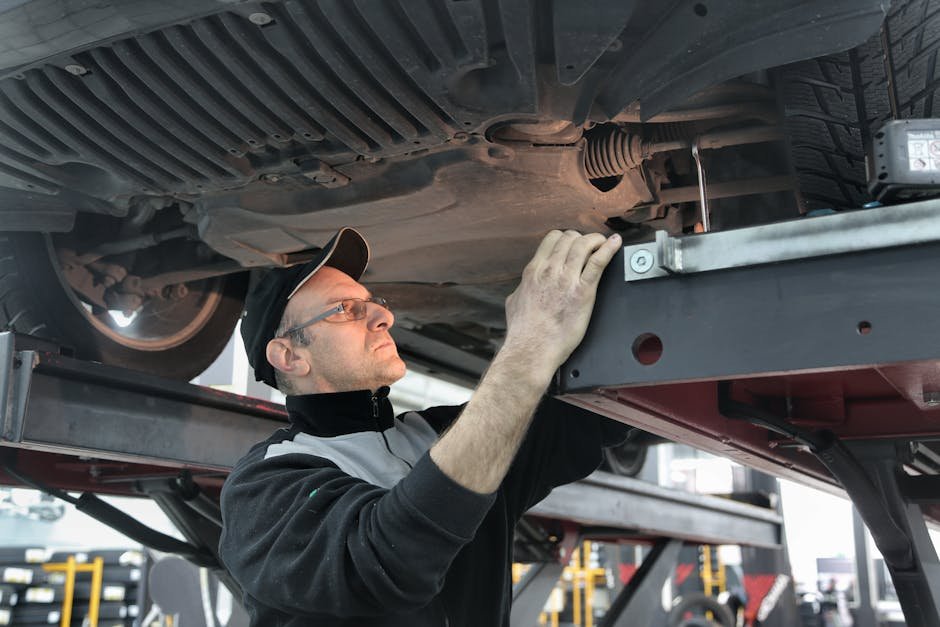
Toyota’s 4WD and AWD systems are among the most reliable in the industry — but only when the differentials are properly serviced. Differential fluid breaks down over time and miles, losing its ability to lubricate gears and protect against wear. Neglected differentials are one of the leading causes of expensive drivetrain failures in trucks and SUVs. At Norm’s Auto Clinic in Coweta, Oklahoma, we service differentials on all Toyota models, from Tacoma and Tundra to 4Runner and RAV4.
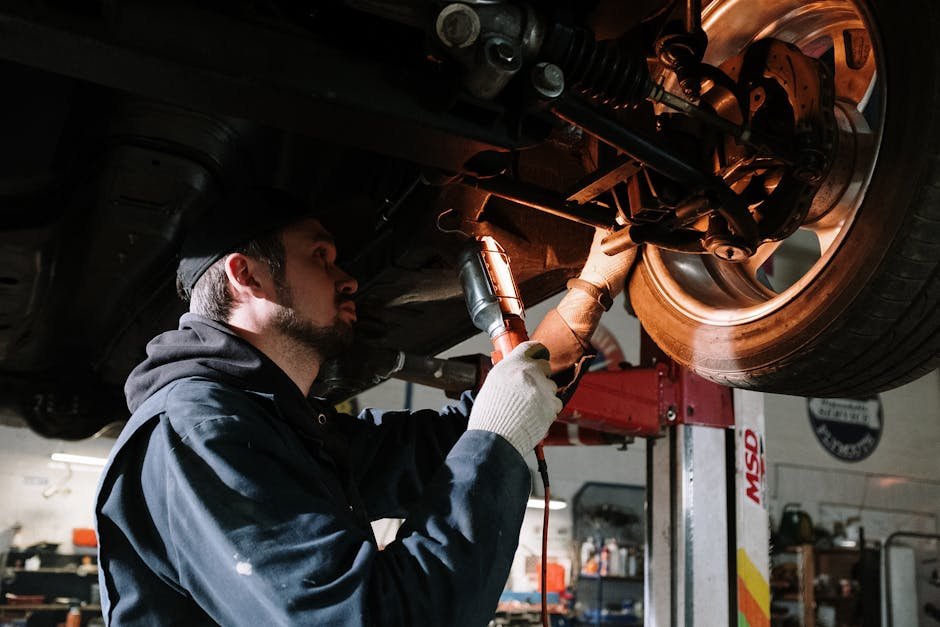
What Is a Differential and What Does It Do?
A differential is a gearbox that allows wheels on the same axle to rotate at different speeds — essential when turning, since the outside wheel travels a longer arc than the inside wheel. In 4WD and AWD vehicles, there are typically three differentials: one at the front axle, one at the rear axle, and a transfer case or center differential that manages power split between the front and rear axles.
Each differential contains a set of ring and pinion gears, side gears, and spider gears — all bathed in gear oil. This oil must maintain its viscosity and additive package to protect these highly stressed components. When differential fluid breaks down or becomes contaminated with water or metal particles, gear wear accelerates dramatically.
Toyota Differential Service Intervals
Toyota’s recommended differential fluid service intervals vary by model and driving conditions. For Oklahoma drivers — where road dust, heat, and the occasional creek crossing are realities — we recommend more frequent service than the manufacturer’s standard interval:
- Tacoma (2WD/4WD): Front and rear differential fluid every 30,000 miles under normal conditions; every 15,000-20,000 miles if you tow, off-road, or drive in dusty conditions
- Tundra (4WD): Rear differential every 30,000 miles; front differential and transfer case every 30,000 miles — but check fluid condition annually
- 4Runner (4WD): Front and rear differential fluid every 30,000 miles; transfer case fluid at the same interval
- RAV4 (AWD): Rear differential (if equipped) every 30,000-45,000 miles; the AWD coupling fluid is often overlooked — Toyota calls it “lifetime” but we recommend inspection at 60,000 miles
- Sequoia / Land Cruiser: Full differential service every 30,000 miles; these heavier vehicles put more stress on drivetrain components
Signs Your Toyota Differential Needs Service
Don’t wait for the scheduled interval if you notice any of these warning signs — they indicate the differential fluid has already broken down or that internal wear is occurring:
- Whining or howling noise: A persistent whine that changes with vehicle speed (not engine RPM) often indicates worn ring and pinion gears — typically from insufficient lubrication
- Clunking when engaging 4WD: A pronounced clunk when shifting into 4-High or 4-Low can indicate worn transfer case internals or low fluid
- Vibration during cornering: Felt in AWD vehicles, this can indicate the rear differential coupling is wearing
- Gear oil smell: A distinctive burnt or sulfur smell from the axle area indicates overheating differential fluid
- Fluid leaks under the vehicle: Differential seals fail with age; a leak at the axle seal or drain plug area needs immediate attention
- Rough or binding turning: Especially in 4WD mode on pavement, binding can indicate a limited-slip differential that needs its friction modifier additive replenished
Limited-Slip vs Open Differential — Service Differences
Many Toyota trucks and SUVs come with a rear limited-slip differential (LSD) — an option on Tacoma, Tundra, and 4Runner. LSDs use clutch packs or a torque-sensing mechanism to bias power toward the wheel with more traction, which is excellent for off-road and towing performance. However, LSDs require a special friction modifier additive in the gear oil that must be renewed with each fluid change.
Using standard gear oil without the friction modifier in a clutch-type LSD causes the clutch packs to wear rapidly and can produce a characteristic “chatter” sound when turning slowly. Always confirm with your mechanic whether your Toyota has a limited-slip rear differential — it changes which fluid is used during service.
What’s Included in a Differential Service at Norm’s
When you bring your Toyota to Norm’s Auto Clinic in Coweta for differential service, we perform a complete drivetrain inspection, not just a fluid swap:
- Drain and inspect old differential fluid for metal particles and contamination (dark or metallic fluid indicates internal wear)
- Check axle seals for leakage — seals are replaced if they’re weeping or actively leaking
- Inspect the differential housing for cracks, damage, or pitting
- Refill with manufacturer-specified gear oil (correct weight and additive package for your specific model)
- Add friction modifier if the vehicle has a limited-slip differential
- Check transfer case fluid (for 4WD models) and service if needed
- Road test to confirm no noise, vibration, or binding
Differential Service for Toyota Owners in Coweta and Eastern Oklahoma
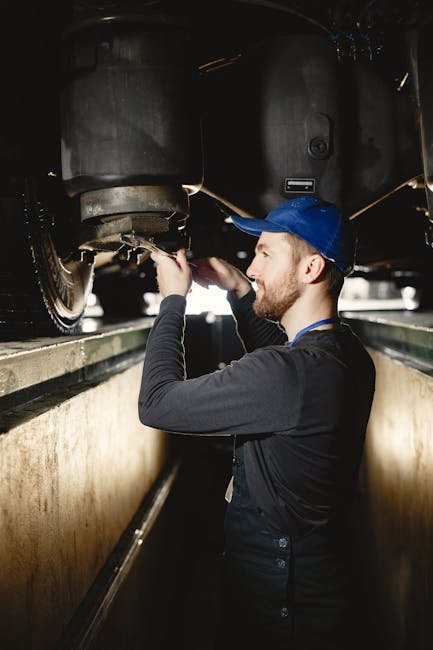
Oklahoma’s roads put extra demands on your Toyota’s drivetrain. Red clay roads, creek crossings, and the dust from gravel roads all accelerate differential wear. Whether you drive a Tacoma daily on country roads, tow a trailer with your Tundra, or use your 4Runner for weekend off-roading, proper differential service is the best investment you can make in your vehicle’s longevity.
Norm’s Auto Clinic serves Toyota owners throughout Coweta, Wagoner, Broken Arrow, Muskogee, and the greater Tulsa area. We’re located at 19 N. Broadway, Coweta, OK 74429. Call us at (918) 279-8100 to schedule your Toyota’s differential service.