
Oklahoma presents some unique undercarriage challenges that drivers in other states don’t face: red clay that packs into wheel wells and brake components, seasonal road deicers after ice storms, gravel and caliche roads in rural Wagoner County, and the general abrasion of driving unpaved sections that exist throughout the region. Undercarriage damage builds gradually and silently — until rust advances to the point that it affects brake lines, fuel lines, structural components, or suspension mounting points. At Norm’s Auto Clinic in Coweta, Oklahoma, we recommend treating undercarriage protection as part of regular vehicle maintenance rather than an afterthought.
What Oklahoma Conditions Do to Your Undercarriage
Red Clay and Its Impact
Oklahoma’s distinctive red clay soil is more than an aesthetic concern for your vehicle. Red clay adheres to metal surfaces and stays damp for extended periods after rain — creating a sustained wet environment that accelerates rust and corrosion. When clay packs into brake components (particularly drum brakes and parking brake mechanisms), it can cause uneven braking, binding, and premature wear. It can also accumulate around exhaust components and suspension joints.
Regular undercarriage washing — particularly after driving on wet clay roads or rural unpaved routes — is one of the most effective and inexpensive ways to protect your vehicle’s underside. Many car washes include undercarriage rinse in their packages. Do this at least seasonally, and more frequently if you drive on rural unpaved roads regularly.
Road Deicers After Ice Storms
Oklahoma municipalities use magnesium chloride, calcium chloride, and sodium chloride (road salt) to treat roads during and after ice storms. These deicers are corrosive to metal. Unlike northern states where road salt is applied continuously all winter, Oklahoma’s periodic application during ice events means the damage is concentrated but real. After an ice storm and subsequent road treatment, washing your vehicle’s undercarriage within a few days removes the corrosive salts before they can do lasting damage.
Gravel and Rural Road Damage
Rural Wagoner County has many miles of gravel, caliche, and unpaved roads. Regular driving on these surfaces sandblasts the undercarriage, removing protective coatings from metal surfaces, damaging rubber components like CV boots and differential seals, and carrying debris that abrades brake and fuel lines. Vehicles driven regularly on gravel roads benefit from more frequent undercarriage inspections than those driven primarily on paved roads.
Protecting Your Undercarriage
Regular Undercarriage Washing
The simplest and most cost-effective protection. Many self-service car washes have an undercarriage rinse wand; full-service washes often include it in the base price. Aim for at least quarterly washing of the undercarriage, more frequently during wet seasons and after driving on unpaved roads or post-ice-storm road salt applications.
Undercoating / Rustproofing Treatment
Professional undercoating applies a rubberized or oil-based protective coating to the vehicle’s undercarriage that seals metal surfaces from moisture and corrosion. This is particularly worthwhile for:
- New or relatively new vehicles you plan to keep long-term
- Trucks and SUVs used for rural or off-road driving
- Vehicles in coastal or high-humidity areas
Undercoating is typically applied by professional detailers or shops and costs $150–$400 depending on vehicle size and product used. It’s a long-term investment in preserving resale value and structural integrity.
Annual Undercarriage Inspection
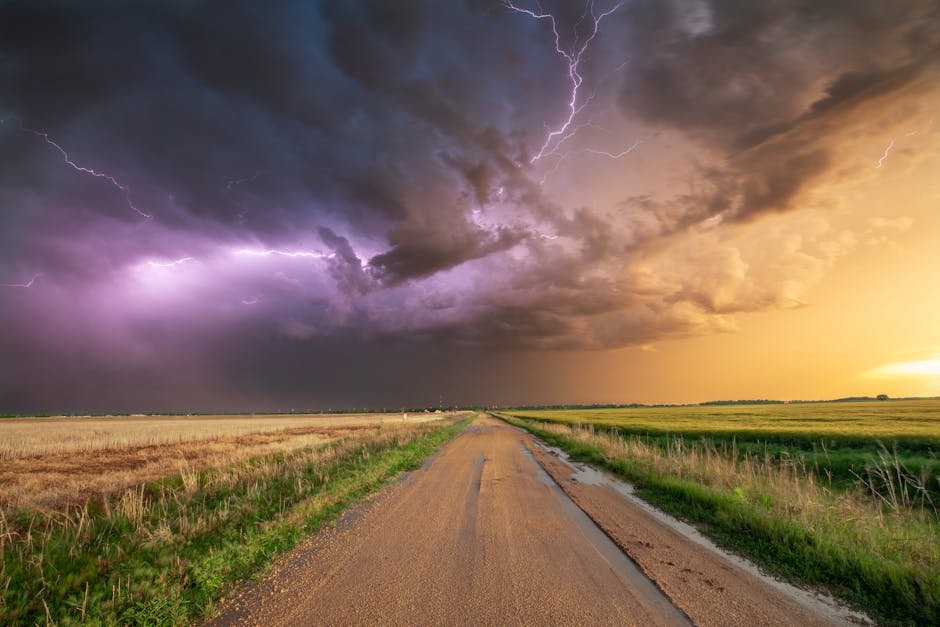
Have a mechanic inspect the undercarriage annually — or semi-annually if you drive on rural roads regularly. An inspection on a lift takes only a few minutes and lets a trained eye catch:
- Rust progression on brake and fuel lines — early rust is manageable; advanced rust means line replacement
- CV axle boot condition — cracked boots allow grease to escape and contaminants to enter the joint
- Exhaust system hangers and heat shields — common areas for rust-induced failure
- Differential and transmission seals — leaks leave components unprotected
- Frame and structural rust — rare in Oklahoma’s climate but worth checking on high-mileage vehicles
Undercarriage Inspection at Norm’s Auto Clinic
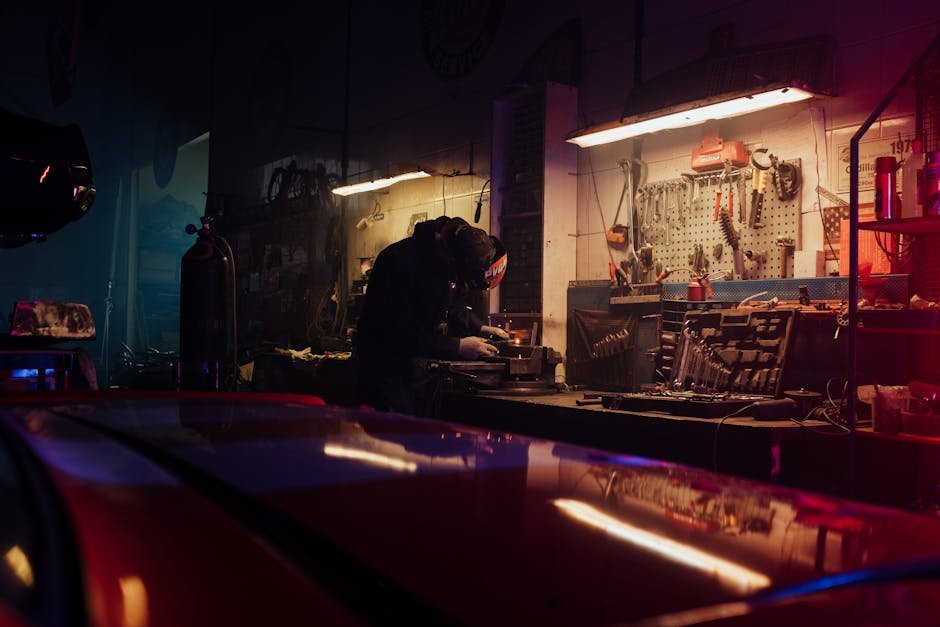
Norm’s Auto Clinic includes a visual undercarriage inspection as part of our courtesy multi-point inspection at every oil change. We’ll note any areas of concern and explain what we see before recommending any action. We serve Coweta, Broken Arrow, Wagoner, Muskogee, and the Tulsa metro area.
Visit us at 19 N. Broadway, Coweta, OK 74429 or call (918) 279-8100. Protecting your undercarriage is far less expensive than repairing what happens when it’s neglected.