
An overheating engine is one of the most serious problems your vehicle can experience — and one of the most costly to ignore. In Oklahoma, where summer temperatures regularly exceed 100°F, the cooling system is under constant stress. At Norm’s Auto Clinic in Coweta, we see cooling system failures every summer, many of which could have been prevented with routine maintenance. This guide explains why engines overheat, what to do if yours does, and how much it costs to fix.
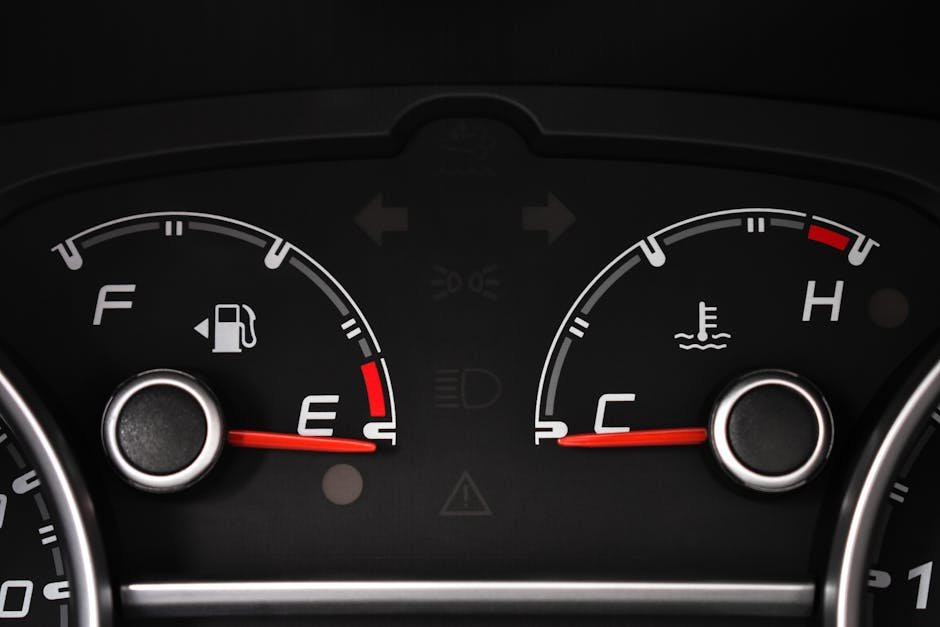
Warning Signs Your Engine Is Overheating
- Temperature gauge rising toward the red: The clearest indicator — watch it anytime you’re in traffic or on a hot day
- Steam or smoke from under the hood: May look like white smoke — actually steam from boiling coolant
- Sweet smell inside the car: Coolant (antifreeze) has a distinctive sweet odor when it burns off
- Heater suddenly blowing cold: Low coolant level causes the heater to lose function
- Warning light on dashboard: High temperature warning or coolant warning light
- Engine runs rough or loses power: Heat affects combustion and can cause misfires
What to Do If Your Engine Overheats
If your temperature gauge is rising or you see steam:
- Immediately turn off the AC — it adds load to the engine. Turn on the heater full blast — this draws heat away from the engine into the cabin
- Pull off the road safely as soon as possible and shut the engine off
- Do not open the radiator cap while hot — the system is pressurized and you risk serious burns from scalding steam
- Wait 30–45 minutes for the engine to cool before opening anything
- Check coolant level in the coolant reservoir (not the radiator cap) once cool — if low, it may indicate a leak
- Call for a tow if the engine won’t cool down or if coolant is clearly leaking
Do not attempt to drive an overheated vehicle to a shop. The damage from continued operation of an overheated engine — warped cylinder heads, blown head gasket, cracked block — can turn a – cooling system repair into a ,000–,000 engine rebuild or replacement.
Common Causes of Engine Overheating
1. Low Coolant Level
The most common immediate cause. Coolant leaks from hoses, the water pump, the radiator, or the head gasket. Even a small slow leak can eventually drop coolant to a level where the engine can’t maintain temperature. Fix: identify and repair the leak source, refill and flush coolant. Cost: – depending on the leak location.
2. Thermostat Failure
A thermostat stuck in the closed position prevents coolant from flowing to the radiator, causing rapid overheating. Usually causes the temperature to spike quickly within minutes of startup. A thermostat replacement is relatively inexpensive. Cost: –.
3. Water Pump Failure
The water pump circulates coolant through the engine and radiator. When it fails — typically from bearing wear or impeller erosion — circulation stops and the engine overheats. Water pump failure is often accompanied by coolant leaking from the front of the engine or a grinding noise. Cost: – depending on vehicle and whether the timing belt drives the water pump.
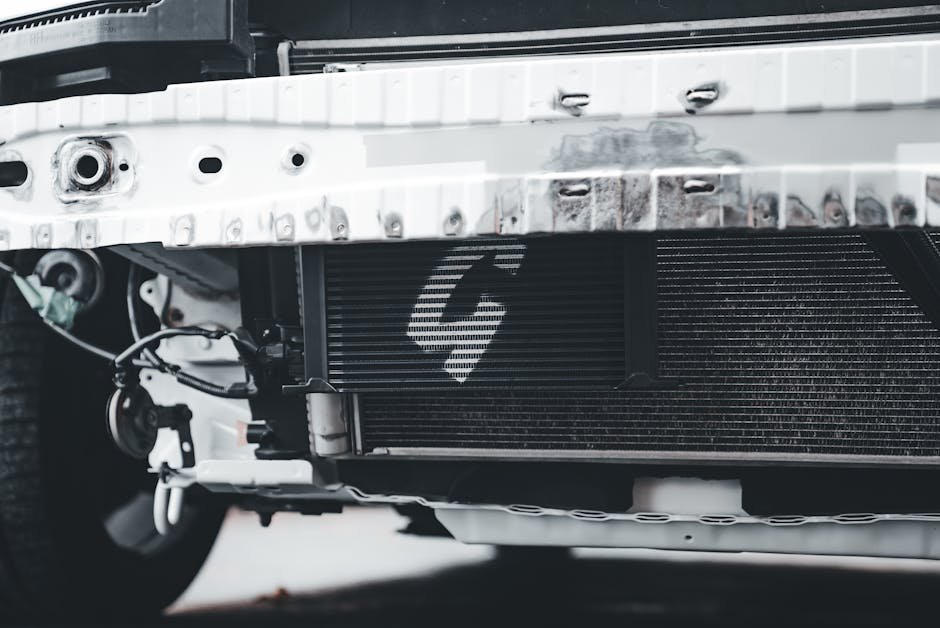
4. Radiator Problems
A clogged, leaking, or damaged radiator can’t dissipate heat effectively. Oklahoma’s red clay dust and road debris can clog radiator fins over time. A damaged radiator may leak internally or externally. Cost: – for radiator replacement.
5. Head Gasket Failure
A blown head gasket is the most serious overheating consequence — and sometimes the cause. When a head gasket fails, combustion gases can enter the coolant system (causing overheating from reduced coolant capacity and pressurization) or coolant can enter cylinders (white smoke from exhaust, milky oil). Head gasket repair is major work. Cost: ,500–,500+.
6. Cooling Fan Failure
Many modern vehicles use electric cooling fans. When the fan motor or fan relay fails, the engine overheats at low speeds and in traffic — but may cool normally at highway speeds where airflow through the radiator is sufficient. Cost: –.
Oklahoma Summer and Cooling System Stress
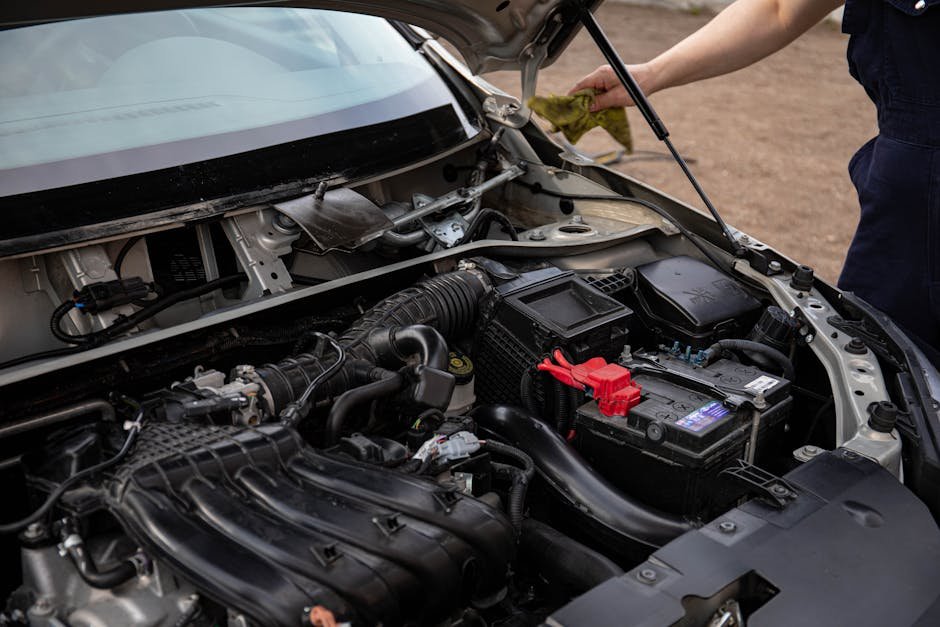
Oklahoma’s summers are brutal on cooling systems. Ambient temperatures of 100°F+ dramatically reduce the radiator’s ability to dissipate heat. A cooling system that barely keeps up in mild weather may overheat repeatedly in an Oklahoma summer. This is why we recommend a cooling system inspection every spring — before summer heat arrives. Checking hose condition, thermostat function, coolant concentration, and water pump condition proactively prevents the roadside breakdown scenario.
If your vehicle has overheated or you want to get ahead of cooling system problems this summer, bring it to Norm’s Auto Clinic at 19 N. Broadway, Coweta, OK 74429. Call (918) 279-8100 — we serve Coweta, Broken Arrow, Wagoner, Muskogee, and the greater Tulsa area.